Fame is a powerful illusion. For thousands of teenagers and young adults across Britain, the glittering world of high fashion and television advertising looks like an escape hatch from ordinary life. Con artists know this. They understand the deep-seated human desire to be seen, validated, and financially secure. They weaponize ambition.
Former Brookside actor Philip learned this dark art firsthand, pivoting from minor television villain roles to masterminding one of the most predatory financial frauds in recent British history. Operating an extensive network of sham modeling agencies over several years, he and his co-conspirators bled more than 6,000 aspiring models and their families dry. The total haul reached a staggering £13.6 million.
While victims took out crippling payday loans to fund mandatory portfolio shoots and registration fees, the mastermind behind the scheme funded a luxury lifestyle filled with high-end sports cars and expensive watches. When the legal net finally tightened, he did what cowards do. He fled to Spain. But dodging justice under the Spanish sun has an expiration date. Tracked down in Alicante and extradited back to the UK, he was handed a hefty prison sentence at Sheffield Crown Court, bringing a long overdue end to a devastating chapter of deception.
The Anatomy of Upfront Fee Fraud
The mechanics of the scam were ruthlessly simple yet psychologically airtight. Legitimate modeling agencies in the fashion industry never charge upfront fees for representation. They make their money by taking a percentage of the earnings when a model books actual paid work. Con artists invert this business model entirely.
The fake agencies operated by the television actor targeted vulnerable dreamers through online advertisements, cold messaging, and social media outreach. They promised glamorous photo shoots, introductions to top industry brands, and lucrative commercial contracts. Once an aspiring model took the bait and attended an audition or casting session, high-pressure sales tactics took over.
Staff members manufactured a sense of urgent exclusivity. They told hopeful teenagers that they had raw talent and an undeniable look, but desperately needed professional portfolio photographs before any brand would touch them. These packages weren't cheap. Victims were pressured into paying hundreds or even thousands of pounds upfront for photo sessions that yielded little to no genuine commercial value.
When victims hesitated, salespeople offered financing arrangements or pushed them toward high-interest payday loans. Parents, desperate to support their children's ambitions, watched life savings vanish. They believed every pound spent was an investment in a legitimate career. It was nothing more than an expensive illusion.
Preying on Vulnerability
You can't understand the scale of this operation without looking at the psychology of the victims. Most were young, impressionable, and entirely unfamiliar with how the creative industries operate. They trusted the slick office environments, the professional cameras, and crucially, the face of a familiar television star.
Having appeared on a popular soap opera gave the operation an insidious veneer of legitimacy. People thought, "If someone you recognize from television is running this, it has to be real." That parasocial trust became a deadly weapon. It lowered defenses and silenced doubts.
National Trading Standards (NTS) investigators later revealed a heartbreaking trail of devastation. Thousands of victims found themselves drowning in serious debt. The financial pressure triggered cascading mental health struggles, shame, and isolation. Many felt too humiliated to report the crime to local police, fearing they'd be judged for being foolish.
The fraudsters exploited this silence. They kept the machine running for over eight years across various UK cities, including Manchester, before law enforcement caught up with the sheer volume of complaints. Lord Bichard, chairman of National Trading Standards, noted that these cruel exploits left thousands in serious debt while causing lasting emotional distress and severe financial pressures.
The Web Unravels
Crimes of this magnitude leave massive paper trails. As complaints piled up across the country, National Trading Standards launched a massive investigation into the network of sham businesses. Investigators uncovered systematic misrepresentation, aggressive sales scripts, and internal communications showing that staff knew no real work was being secured for the vast majority of clients.
The legal consequences began falling into place during early 2025. A series of court hearings wrapped up for the co-accused individuals involved in the conspiracy. Family members and associates received prison terms and suspended sentences for their roles in laundering money and operating the fraudulent studios.
Yet, the primary architect thought he could outrun the law. Rather than facing the music in a British courtroom, he packed his bags and fled to Spain. He settled in sunny climes, believing that international borders would insulate him from accountability. Luxury watches and fast cars replaced remorse.
Spain isn't a safe haven for fugitives. Cooperation between British authorities and Spanish law enforcement, including the Guardia Civil, remains ironclad behind the scenes. The net closed in when he was located and detained in Alicante. Extradition proceedings followed, returning him to British soil to face the consequences.
Facing the Music
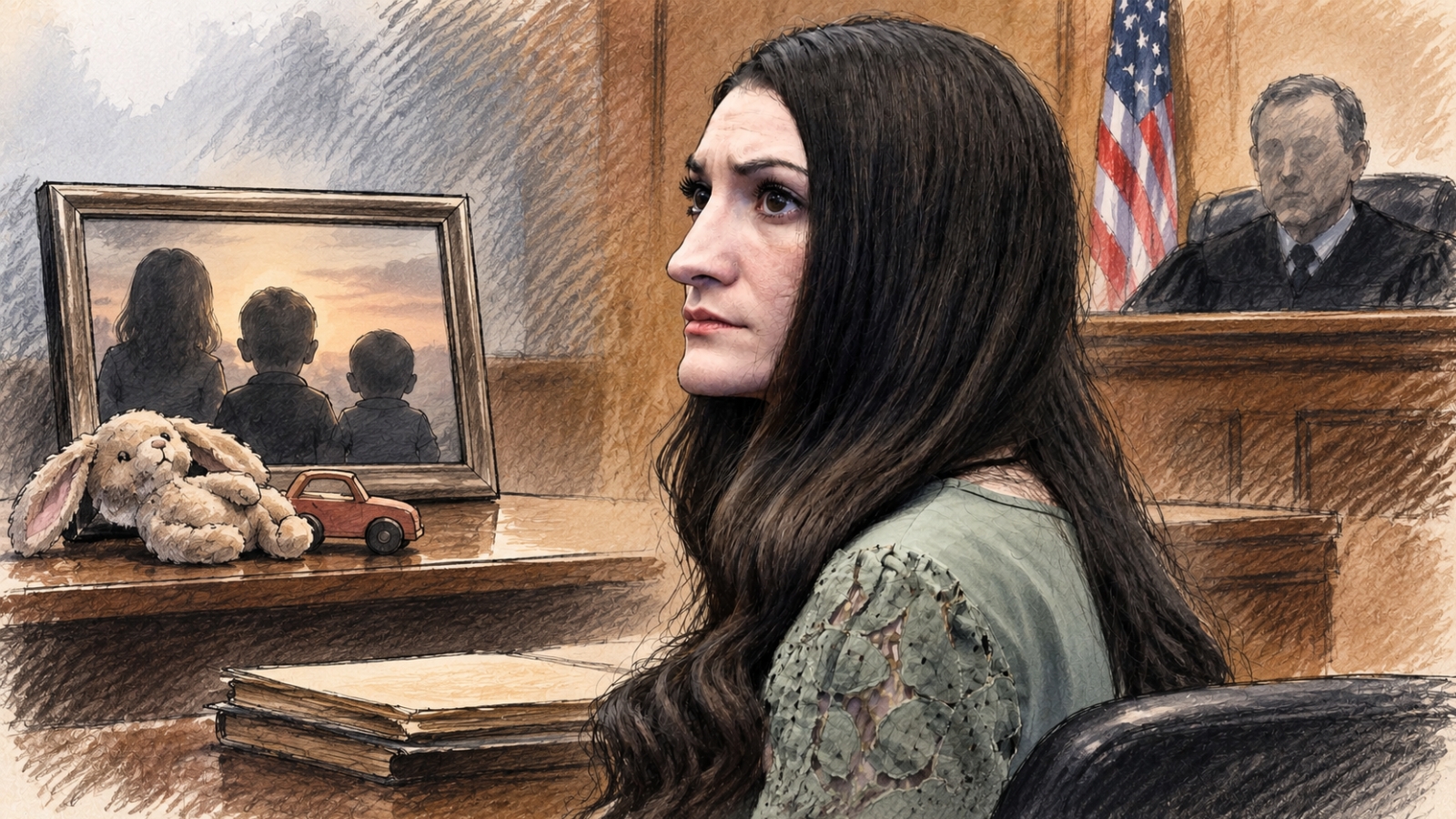
Standing before the judge at Sheffield Crown Court, the former soap villain discovered that running away doesn't erase guilt. Defence attorneys pointed to personal tragedies in mitigation, noting family bereavements and immense personal loss. The court listened, but justice required a firm response to years of calculated exploitation.
Judge David Dixon didn't mince words. Addressing the defendant directly over a videolink from prison, the judge condemned the cowardly decision to go on the run and hide from responsibility. A nine-year prison sentence was handed down, capping off years of investigative work.
The wider fallout serves as a stark reminder of how unregulated industries can become hunting grounds for predatory actors. Thousands of young people learned a painful lesson about the realities of the entertainment business.
Protecting Yourself From Industry Scams
The modern digital landscape is flooded with fake talent agencies, fraudulent social media scouting accounts, and predatory photography studios. If you or someone you know is pursuing a career in modeling, acting, or creative arts, certain red flags should immediately trigger alarm bells.
Never pay upfront fees. This is the golden rule of the industry. Real agencies do not charge registration fees, mandatory portfolio fees, or training charges before you secure work. If an agency insists that you must buy their in-house photo package to be represented, walk away immediately.
Scrutinize the contract. Legitimate contracts outline commission structures and representation terms clearly without demanding immediate cash outlays. Talk to industry professionals, check trade bodies, and remember that genuine success takes time, patience, and zero financial kickbacks to middlemen.
The downfall of a television actor turned con artist closes a dark chapter, but the underlying vulnerabilities remain. Keep your eyes open, protect your wallet, and never let the promise of quick fame cloud your common sense.