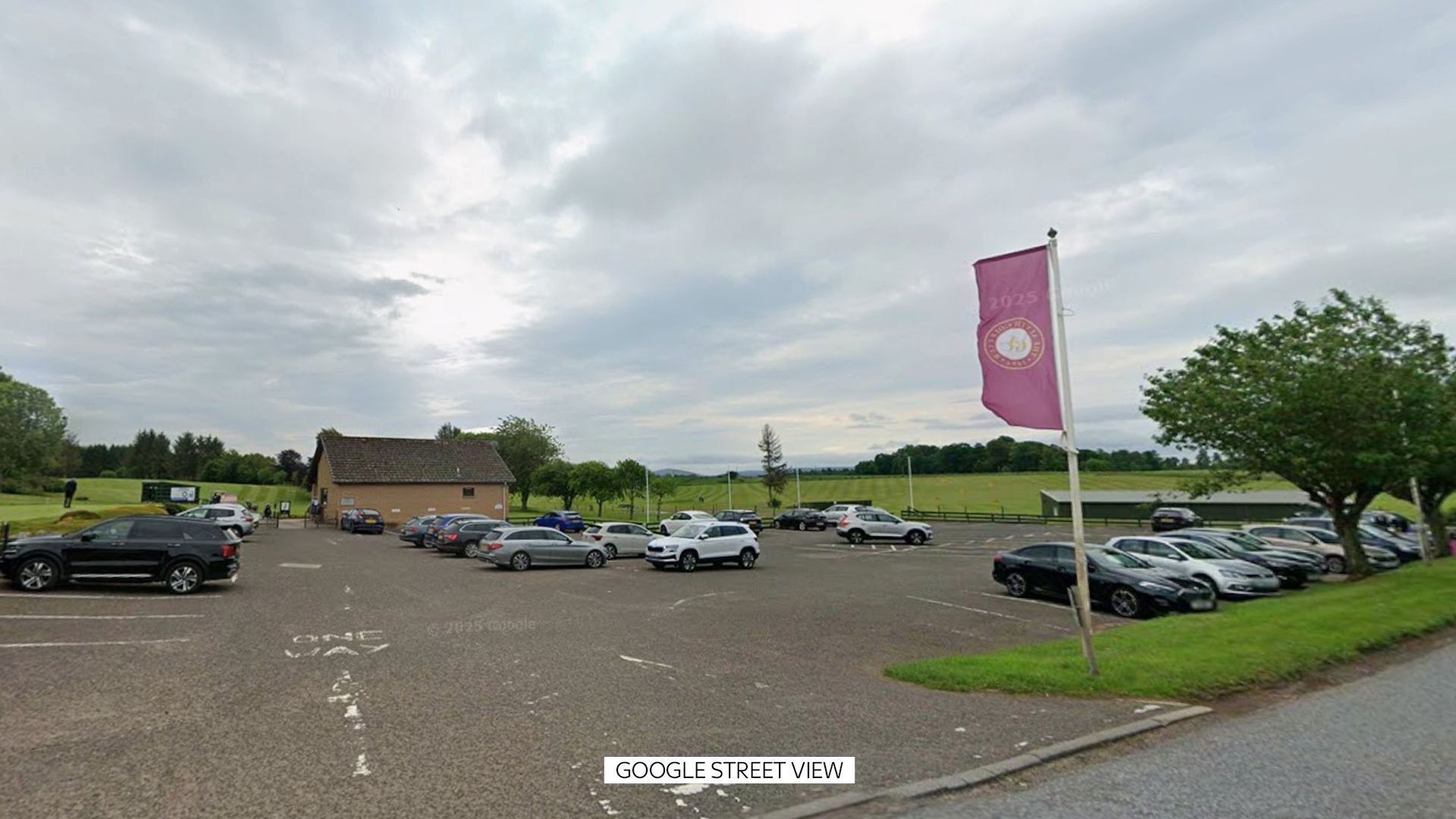
The incident began as a standard friction point on a crowded road. A minor dispute over positioning or speed escalated into a confrontation, and within minutes, a woman lay injured on the pavement while the other driver sped away. This is the anatomy of a hit-and-run, a crime that has transitioned from a rare act of cowardice into a statistical epidemic on modern streets. Law enforcement agencies are currently hunting for a driver involved in a road rage encounter that turned physical, leaving a victim behind and a community demanding answers about how accountability vanished from the asphalt.
The core of the problem lies in a toxic mix of driver anonymity, a post-pandemic shift in risk assessment, and the technical limitations of urban surveillance. While we live in a world blanketed by cameras, the reality of catching a fleeing driver is far more complex than a grain of grainy CCTV footage suggests.
The Psychology of the Flight Response
When a driver chooses to flee the scene of an injury, they are rarely operating with a logical long-term plan. They are reacting to a primitive surge of adrenaline. In the context of road rage, the brain has already bypassed the frontal cortex—the seat of reason—and is operating entirely within the amygdala.
The immediate fear of legal consequences, such as jail time or the loss of a license, outweighs the moral obligation to render aid. This "panic-flee" cycle is exacerbated by the physical barrier of the vehicle itself. A car acts as a suit of armor and a high-speed escape pod. It dehumanizes both the driver and the victim. To the person behind the wheel, the victim is often just an obstacle or a threat to be bypassed, rather than a human being in need of medical attention.
Infrastructure Failures and the Illusion of Safety
We are told that we are always being watched. Between Ring doorbells, dashcams, and municipal traffic sensors, the modern city is a digital dragnet. Yet, hit-and-run rates continue to climb because the "net" has massive holes.
License plate recognition technology is effective, but it requires a clear line of sight and specific lighting conditions. Many hit-and-runs occur at night or in weather that obscures these cameras. Furthermore, the rise in "ghost plates"—fraudulent or obscured tags—has made visual identification nearly impossible in high-crime corridors. Police departments are often stretched too thin to dedicate a full investigative team to a non-fatal hit-and-run, meaning many cases go cold before the first 48 hours have passed.
The Breakdown of Traffic Enforcement
Over the last five years, traditional traffic enforcement has dipped in several major jurisdictions. With fewer patrol cars on the road and a shift toward automated enforcement, the perceived risk of being caught in the act has diminished. If a driver feels there is no "cop on the beat," the temptation to disappear into a side street after a collision becomes a calculated, albeit desperate, gamble.
The Road Rage Catalyst
The specific incident involving the woman struck after a dispute highlights a darkening trend in driver behavior. Road rage is no longer just about shouting or aggressive gestures. It has become a weaponized form of entitlement.
Drivers are increasingly using their vehicles as tools of intimidation. When a confrontation moves from a shouting match to a physical strike, the vehicle becomes a lethal weapon. The transition from a "traffic accident" to an "intentional assault" changes the legal landscape entirely, yet the perpetrator’s first instinct remains the same: move fast and put distance between the crime and the self.
Why Witnesses Are Not Enough
Public appeals for information are a staple of police work, but they are often a last resort. Relying on eyewitness testimony is notoriously unreliable. In the high-stress seconds following a strike, witnesses often misremember the color of the car, the make, or the direction of travel.
The burden of proof falls on forensic evidence. Paint chips, glass fragments, and digital breadcrumbs from the suspect’s phone are the real tools of the modern investigator. However, these take time to process. By the time a match is found, the vehicle has often been hidden in a garage or taken to a shady body shop for "off-the-books" repairs.
The Role of the Automotive Repair Industry
A hit-and-run suspect needs a complicit or unobservant mechanic. Most states have laws requiring shops to report vehicles with damage consistent with a pedestrian strike, such as cracked windshields with "spider-web" patterns or specific denting on the hood.
Despite these regulations, the "gray market" of auto repair remains a sanctuary for fleeing drivers. Small, independent shops may not ask questions when a customer shows up with cash and a story about hitting a deer. Without a more rigorous, digitized tracking system for major body repairs, the trail for many hit-and-run drivers ends at the garage door.
The Economic Impact of the Fleeing Driver
Beyond the physical trauma to the victim, there is a massive economic ripple effect. Uninsured motorist claims skyrocket when the perpetrator is never found. This costs the general public millions in increased premiums.
The medical costs for victims of hit-and-runs are often higher because of the delay in treatment. Every second a victim lies on the road without help increases the likelihood of long-term disability or death. The driver who flees isn't just escaping a ticket; they are actively worsening the medical outcome of the person they hit.
Technology as the Only Solution
If human morality is failing on the road, technology must fill the gap. Some safety advocates are pushing for "event data recorders" in all vehicles to be linked to emergency services, similar to how modern iPhones can detect a crash and call 911.
Imagine a system where, upon a significant impact, the vehicle automatically pings the nearest police precinct with its GPS coordinates and VIN. This would eliminate the "panic-flee" option entirely. Of course, this raises significant privacy concerns, but as the body count from hit-and-runs rises, the trade-off between privacy and public safety becomes a central debate in city halls across the country.
Steps for the Public and Victims
If you witness a hit-and-run, your first instinct is to help the victim, which is correct. However, if there are multiple witnesses, one person must focus entirely on the fleeing vehicle.
- Do not chase the driver. This often leads to a second, more violent collision.
- Dictate the details. Use your phone’s voice memo app to record the license plate, make, model, and any distinguishing features like bumper stickers or dents.
- Secure the scene. Stop your own car to protect the victim from further traffic.
- Check for cameras. Look for nearby businesses with high-mounted security lenses and ask the owners to preserve the footage immediately, as many systems overwrite data within 24 hours.
The search for the driver who struck that woman continues, but the broader search for a way to restore sanity to our streets is far more daunting. Accountability shouldn't be an optional feature of modern driving.


