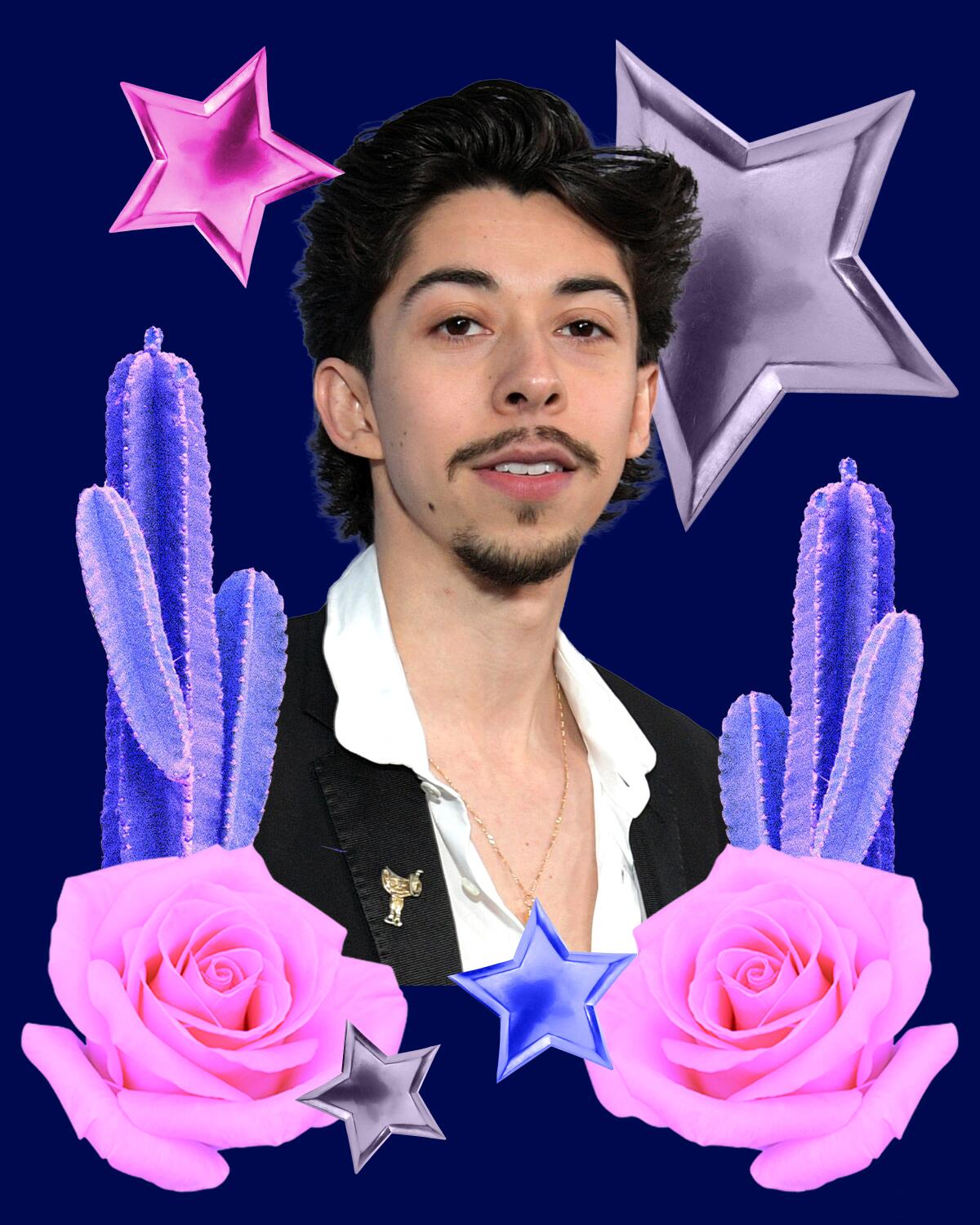
The entertainment industry loves a good trend, especially one it can package as progress. For years, executive suites have pointed to rising stars like Fabrizio Guido—fresh off projects like Running Point and transitioning into the stand-up comedy circuit—as proof of a "new wave" of Latino representation in Hollywood. But behind the glossy press releases and the celebratory panel discussions lies a harsher reality. The industry's approach to Latino talent remains largely transactional, treating individual breakthroughs as systemic change while the underlying power structures remain stubbornly homogenous. True progress is not just about who is in front of the camera; it is about who greenlights the budgets.
To understand why the current wave of Latino talent is hitting a glass ceiling, we have to look past the casting announcements. We must examine the mechanics of how projects get funded, how talent is developed, and why stand-up comedy has become the default escape hatch for actors who get tired of waiting for Hollywood to write better scripts. Don't forget to check out our earlier article on this related article.
The Illusion of the Casting Boom
On paper, the numbers look like a step forward. More Latino actors are landing lead roles in major streaming series and network sitcoms. When Netflix greenlights a sports comedy like Running Point, or when casting directors seek out fresh faces, there is a momentary surge of optimism.
It is a mirage. To read more about the background of this, IGN offers an excellent breakdown.
The vast majority of these roles still exist within highly specific, pre-approved archetypes. When an actor like Fabrizio Guido makes waves, it is often because of their sheer charisma and ability to elevate mediocre material, not because Hollywood has suddenly unlocked a diverse array of narratives.
REPRESENTATION VS. DECISION-MAKING POWER
┌────────────────────────────────────────────────────────┐
│  On-Screen Talent (Increasing slightly)                 │
│  ■■■■■■■■■■■■■■■■ 12% to 15% of screen roles           │
├────────────────────────────────────────────────────────┤
│  Studio Executives with Greenlight Power (Stagnant)     │
│  ■ 2% to 3% of decision-making positions               │
└────────────────────────────────────────────────────────┘
The data reveals a stark disconnect. While Latino audiences make up nearly 30% of domestic box office ticket sales, the percentage of Latino executives with the power to greenlight a project hovers in the low single digits. This means that even when Latino actors get hired, they are performing in stories that have been filtered through a non-Latino creative lens. The result is a watered-down version of cultural identity designed to be palatable to the widest possible audience, stripping away the specific nuances that make great storytelling universal.
Why Stand-Up Comedy is the Ultimate Escape Hatch
It is no coincidence that many of the most promising young actors are doubling down on stand-up comedy.
In a comedy club, there is no casting director. There is no executive producer telling you to tone down your accent or make your character more "relatable." There is only a microphone, a crowd, and immediate feedback.
For an actor working in a system that often treats them as a demographic checkmark, stand-up offers absolute creative autonomy. It is a grueling, unvarnished discipline where success cannot be manufactured by a marketing campaign. You are either funny or you are not.
"Stand-up is the only place in this industry where you own your labor from start to finish. If the system won't write the roles, you write the jokes."
This migration to the stage is a direct response to the creative starvation many actors experience on set. They are tired of playing the quirky sidekick, the troubled youth, or the token representative of an entire culture. On stage, they can be messy, politically incorrect, and entirely individual.
Yet, this path is not a silver bullet. The comedy club circuit is an exhausting grind that requires years of unpaid or underpaid labor to build an audience. It is a survival mechanism, not a structural solution to Hollywood’s systemic failures.
The Premium Cable Trap and the Myth of Streaming Diversity
The rise of streaming platforms was supposed to democratize television. With hundreds of original shows in production, the theory was that niche stories would find their audiences, bypassing the conservative gatekeepers of traditional broadcast television.
The reality has been far more cynical.
Streaming services have largely adopted an "algorithmic casting" model. They look at user data, identify demographic gaps in their subscriber base, and commission content specifically designed to target those gaps. Once the subscriber acquisition targets are met, these shows are often quietly canceled after one or two seasons, long before they can build the cultural footprint or syndication value that traditional television shows once enjoyed.
This creates a cycle of short-term employment for Latino creatives. They are hired to build a platform's brand credibility, only to have their projects axed during the next corporate restructuring.
Furthermore, the funding gap between mainstream prestige dramas and diverse comedies remains vast. A sci-fi epic or a historical drama starring a predominantly white cast is routinely granted a budget of $10 million or more per episode. Meanwhile, diverse comedies are expected to produce miracles on shoestring budgets, often shooting on tight schedules with minimal marketing support. When these underfunded projects fail to generate massive ratings immediately, they are labeled as unprofitable, reinforcing the industry myth that diverse stories do not sell.
Moving Beyond the Token Icon
To break this cycle, the industry must stop relying on a handful of breakout stars to do the heavy lifting of representation. True progress requires a fundamental shift in where the money comes from and who decides how it is spent.
- Independent Financing Networks: Latino creators are increasingly bypassing the studio system entirely to secure independent backing, mimicking the path taken by independent cinema in the 1990s.
- Ownership of Intellectual Property: Writers and actors must fight for equity and ownership rights in the projects they create, ensuring they profit from their cultural capital.
- Executive Mentorship Programs with Real Authority: Rather than honorary advisory boards, studios need to place diverse executives in positions where they control production budgets.
Without these structural changes, the "new wave" will simply recede, leaving behind another generation of talented artists who were celebrated in profiles but shut out of the boardrooms where the real power resides. The industry does not need more spotlight moments for individual actors; it needs to hand over the keys to the studio.