Losing a toenail while running is a subungual hematoma—a localized pooling of blood beneath the nail plate caused by repetitive micro-trauma—and it is entirely treatable at home if you do not rip the nail off prematurely. Keep the dead nail attached as a natural biological shield until the new nail grows underneath to push it off, which typically takes six to twelve months.
Most running blogs treat black toenails like a quirky badge of honor. They laugh it off, tell you to buy shoes a half-size bigger, and move on. That casual attitude is reckless. When you strip away the bravado of distance running culture, a blackened, detaching toenail is a structural failure of mechanics, footwear engineering, and load management. If handled poorly, a simple friction injury turns into a gateway for Staphylococcus infections, fungal colonization, or permanent nail bed deformity.
The Biomechanics of Micro-Trauma
Every time your foot strikes the pavement, it absorbs forces equivalent to two to three times your body weight. Over a standard ten-mile run, that equals roughly ten thousand impacts per foot.
The damage rarely comes from a single catastrophic stubbing of the toe. Instead, it is the relentless, rhythmic slamming of the distal phalanx against the front or top of the shoe’s toe box. Consider a hypothetical scenario where a runner tackles a steep, four-mile downhill grade on a warm afternoon. As the foot slides forward inside the shoe with every braking step, the leading edge of the toenail absorbs horizontal shear forces. Simultaneously, the ambient heat and increased blood flow cause the foot to swell by up to half a shoe size. The space inside the shoe vanishes.
Under this sustained mechanical stress, the delicate capillary bed directly beneath the nail plate ruptures. Blood pools in the confined space between the nail and the underlying tissue. Because the nail plate is rigid and non-elastic, pressure builds rapidly. This creates that unmistakable, throbbing pulse that wakes runners up in the middle of the night. Once the blood clots and dries, it turns the nail deep purple or black, separating the nail plate from the nail bed—a condition clinically known as onycholysis.
The Extensor Tendon Reflex
Blaming the shoe is easy, and often accurate, yet it ignores a massive biomechanical culprit. Many runners lose toenails even when wearing shoes with cavernous toe boxes.
Look closely at the upper fabric of your running shoes right above the big toe. If you see a worn spot or a hole poking through from the inside, your footwear is not the primary problem. Your neurology is. When a runner fatigues, or when they run on unstable terrain, the body subconsciously attempts to stabilize the foot and clear the ground by firing the extensor hallucis longus tendon. This action pulls the big toe sharply upward during the swing phase of the gait cycle.
Instead of hitting the front of the shoe, the nail repeatedly slams straight up into the ceiling of the toe box. Buying a longer shoe will not fix an upward-firing toe. In fact, a looser shoe often exacerbates the reflex because the foot feels less secure, prompting the toes to claw and lift even more aggressively to find stability.
Why the Running Shoe Industry Shares the Blame
Modern footwear design has inadvertently created a minefield for forefoot health. Over the last decade, the industry has pivoted heavily toward aggressive rocker geometries and high-stack super foams.
While curved soles efficiently roll the foot forward and reduce strain on the Achilles tendon, they fundamentally alter how the toes interact with the shoe. As the shoe rocks forward at toe-off, the foot naturally slides toward the front of the platform. If the midfoot lockdown is even slightly compromised, the toes pay the price. Furthermore, the obsession with ultra-lightweight, breathable engineered meshes has led manufacturers to reinforce the front tip of the shoe with rigid thermoplastic polyurethane (TPU) overlays to prevent tearing. You end up with a soft, forgiving upper that abruptly terminates in a hard, unforgiving plastic bumper right where your toes live.
Immediate Triage and the Trephination Debate
The first twenty-four hours after a long run dictate whether you keep your nail or spend the next year watching a jagged shard of keratin slowly migrate off your toe.
If the nail is dark, throbbing intensely, and visibly bulging with fresh fluid, the pressure must be relieved. In a clinical setting, a podiatrist or sports medicine physician performs trephination—drilling a microscopic hole through the nail plate to drain the trapped blood.
Many veteran ultrarunners perform this procedure on their bathroom floors using a sterilized paperclip heated over a stove flame. Let us be entirely clear about the risks here. While melting a hole through a dead nail plate provides instant, miraculous pain relief, doing it yourself introduces bacteria directly into an open vascular bed. If you are diabetic, have poor circulation, or are immunocompromised, attempting home drainage is an absolute non-starter. Even for healthy athletes, if the pain is dull rather than acute and throbbing, leave the nail intact. The body will naturally reabsorb small amounts of pooled blood over several weeks without breaking the sterile seal of the nail plate.
The Anatomy of a Safe Recovery
Once the nail plate detaches from the bed, the clock starts on a remarkably slow biological process. Fingernails regenerate in about four to six months. Toenails, suffering from lower blood flow and cooler ambient temperatures at the extremities, require anywhere from six to eighteen months to fully replace themselves.
During this vulnerable window, your primary objective is protecting the exposed nail bed.
- Never pull or pry a loose nail. Even if it is hanging by a single corner, ripping it away tears the live tissue still anchored at the matrix. Use sharp, sanitized nail clippers to trim away only the dead, detached portion that catches on socks.
- Keep the area dry and exposed. Moisture trapped beneath a partially detached nail creates an ideal incubator for onychomycosis (toenail fungus). Once fungus takes hold in a damaged nail bed, it thickens and discolors the new nail, making future running injuries far more likely.
- Tape strategically before runs. If a sharp edge of the remaining nail threatens to slice into the adjacent toe, wrap the injured toe lightly with breathable paper medical tape or a silicone toe cap. Avoid wrapping standard athletic tape tightly around the toe, as swelling during a run can turn a tight wrap into a tourniquet.
When to Abandon Home Care
Pride keeps too many athletes out of the doctor's office. A damaged toenail is normal; an infected toe is an emergency. Watch for spreading redness that extends past the base of the toe, localized heat, yellow or green purulent discharge, or red streaks tracking up the top of the foot. If you develop a fever, the localized trauma has escalated into systemic cellulitis, and you need oral antibiotics immediately.
Engineering a Bulletproof Toe Box
Preventing a recurrence requires a systematic audit of how your foot occupies space inside your shoe. Abandon the arbitrary rule of automatically buying shoes one full size larger. An oversized shoe allows the foot to slosh around like a passenger without a seatbelt, increasing friction and shear forces.
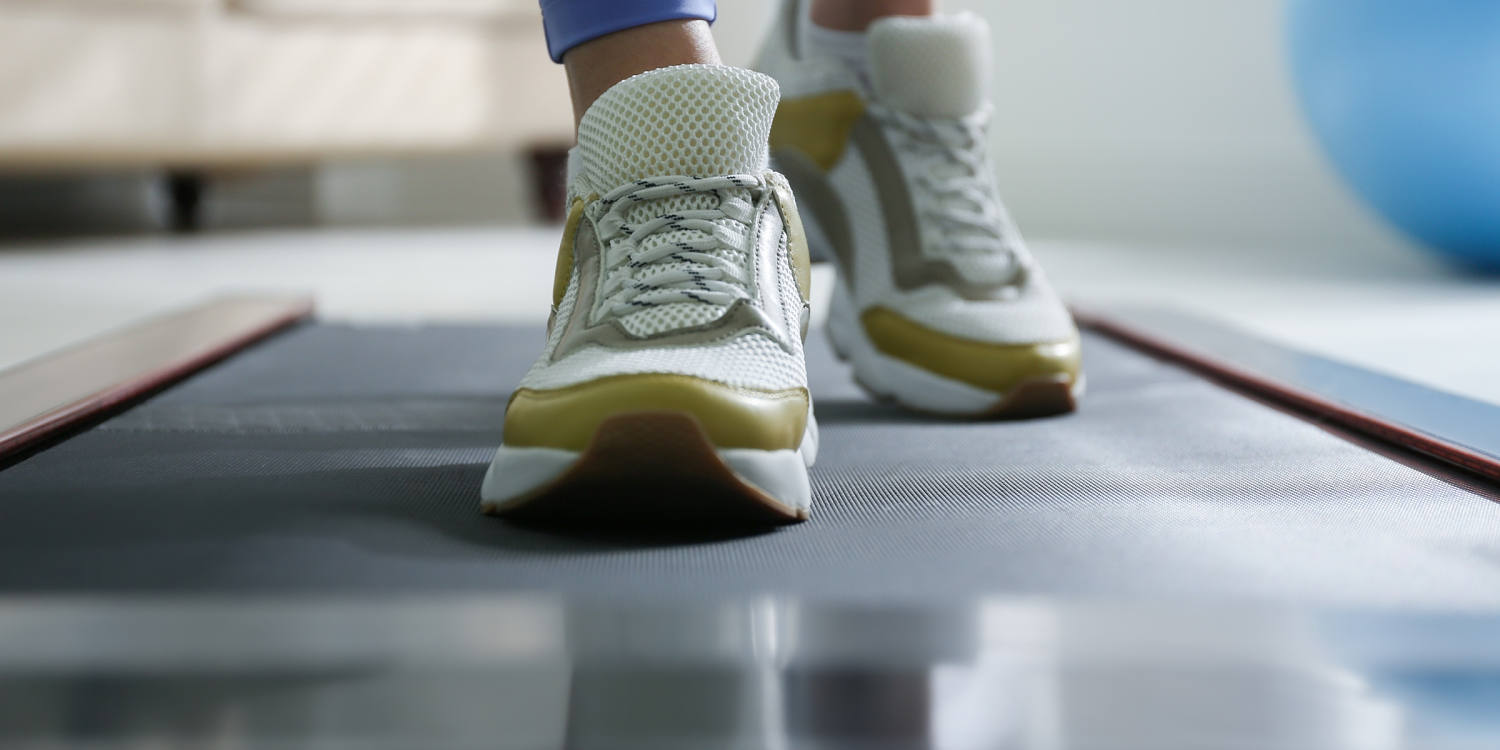
Instead, focus on midfoot lockdown and toe box volume. You want a thumb’s width of empty space (roughly half an inch) between your longest toe—which for many people is the second toe, not the big toe—and the end of the shoe when standing at the end of the day. More importantly, the shoe must wrap snugly across the instep and lock down the heel so the foot cannot slide forward on descents.
The Heel Lock Lacing Technique
Most runners ignore the extra pair of eyelets sitting slightly further back at the very top of their shoe’s lacing system. Those holes exist specifically to prevent black toenails.
Thread your laces straight up through the top eyelet on the same side to create a small external loop, then cross the laces over and pass each end through the opposite loop before tying your standard bow. This creates a runner’s loop (or heel lock) that cinches the collar of the shoe tightly around the ankle and pulls the heel firmly into the heel cup. When your heel cannot move forward, your toes cannot slam into the front bumper.
Sock Selection and Friction Management
Cotton is the enemy of the distance runner. It absorbs sweat, swells, loses its elasticity, and bunches up under the forefoot, creating localized pressure points that bruise the nail bed.
Switch exclusively to anatomical, moisture-wicking synthetic blends or fine-gauge merino wool socks. Look for designs with seamless toe closures; a bulky stitched seam sitting directly across the distal joints of your toes acts like a speed bump that hammers your nails with every stride. For runs exceeding two hours, apply a thin layer of petroleum-based lubricant or specialized anti-chafe balm directly over your toes before pulling your socks on. Reducing the coefficient of friction inside the shoe ensures that when your foot inevitably shifts, the skin and nails glide rather than catch.
Keep your toenails trimmed straight across and filed smooth so they never extend past the fleshy tip of the toe. Check your current running shoes right now—if the laces are not utilizing a heel lock and the toe box shows upward wear, re-lace them before your next mile.