Two decades of empty windows and ghost stories are finally giving way to heavy machinery along Tulane Avenue. Tulane University has officially locked down a purchase and sale agreement to execute a $500 million transformation of the art deco Charity Hospital building, turning a haunting monument of Hurricane Katrina into a massive bioscience innovation hub.
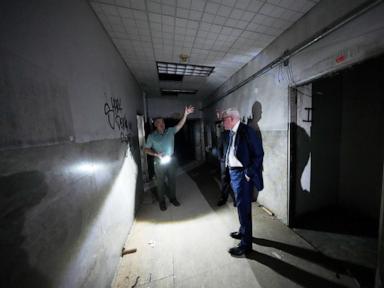
For twenty-one years, the million-square-foot fortress sat rotting in plain sight, a monument to bureaucratic paralysis and institutional failure. When the levee system failed in 2005, submerging eighty percent of New Orleans, Charity Hospital became a grim theater of survival. Doctors and nurses worked without power or functional equipment, navigating sweltering corridors by flashlight before an agonizing evacuation. Louisiana State University, which owned the facility, eventually declared the structure too heavily damaged to reopen. That decision sparked a generation of bitter disputes between medical staff who believed the building was structurally sound and administrators eager to wash their hands of a safety-net symbol.
Now, construction slated to begin this fall aims to rewrite that narrative. The project is designed to inject an estimated $530 million annually into the state economy, converting the upper floors into labs for seven hundred new researchers, classrooms, and the new home of the Celia Scott Weatherhead School of Public Health and Tropical Medicine. The lower levels will host residential units, retail spaces, and a food hall, attempting a delicate marriage between commercial life and public health legacy.
The Cost of Abandonment
Leaving a million-square-foot building to rot in a downtown core is an expensive mistake. For years, city officials floated speculative ideas ranging from luxury hotels to apartments, yet every plan collapsed under the weight of financing complications and deep-seated local trauma.
The building's prolonged vacancy was never just an architectural tragedy. It was an economic anchor dragging down the entire medical district. While other sections of the city rebounded, the blocks surrounding Charity remained sluggish. Historic preservationists watched the exterior limestone degrade while neighborhood advocates fought to ensure that any future use respected the building's original mission as a health sanctuary for the uninsured.
The state's decision post-Katrina to abandon the building in favor of building a modern complex elsewhere fractured the healthcare safety net. Charity had operated for generations as a place where anyone walked through the doors and received care, regardless of ability to pay. When it closed, an invisible infrastructure of working-class care vanished with it.
Inside the Tulane Blueprint
The new development shifts Tulane from a mere tenant to the primary owner and master developer. The math behind the project relies heavily on the innovation economy. University leaders project that housing hundreds of biomedical startups alongside academic labs will create over twenty-four hundred permanent jobs.
The strategy banks on a familiar urban revitalization playbook. Universities act as economic engines, pulling commercial capital into underdeveloped corridors. Yet, skepticism remains warranted. Transforming a 1930s historic landmark into a modern, climate-resilient research facility carries hidden engineering risks. Historic preservation mandates often clash with the rigorous climate control and air-filtration demands of modern bioscience laboratories.
Furthermore, the integration of residential housing within a former public hospital structure forces a reckoning with the past. Healing the physical scars of a building is straightforward. Reconciling the emotional weight attached to its walls requires a deeper acknowledgment of the systemic failures that left patients stranded during the storm.
Looking Beyond the Ribbon-Cuttings
The demolition of nearby blighted medical complexes like the Lindy Boggs Medical Center signals a broader clearing of the slate across New Orleans. City leaders are eager to cast off the post-Katrina identity of urban decay and replace it with a narrative of resilience.
Yet, economic impact reports and architectural renderings obscure the fundamental question of accessibility. A bioscience hub driving commercial innovation is vastly different from a safety-net hospital treating the city's poorest residents. While university officials emphasize community spaces and public health programs, the structural shift from a house of healing to a house of venture capital represents a definitive evolution in downtown New Orleans.
Construction crews are moving in, and the 2029 completion target looms large. Whether this half-billion-dollar bet truly restores the soul of the landmark or merely sanitizes its tragic history depends entirely on who benefits from the discovery happening inside its walls.