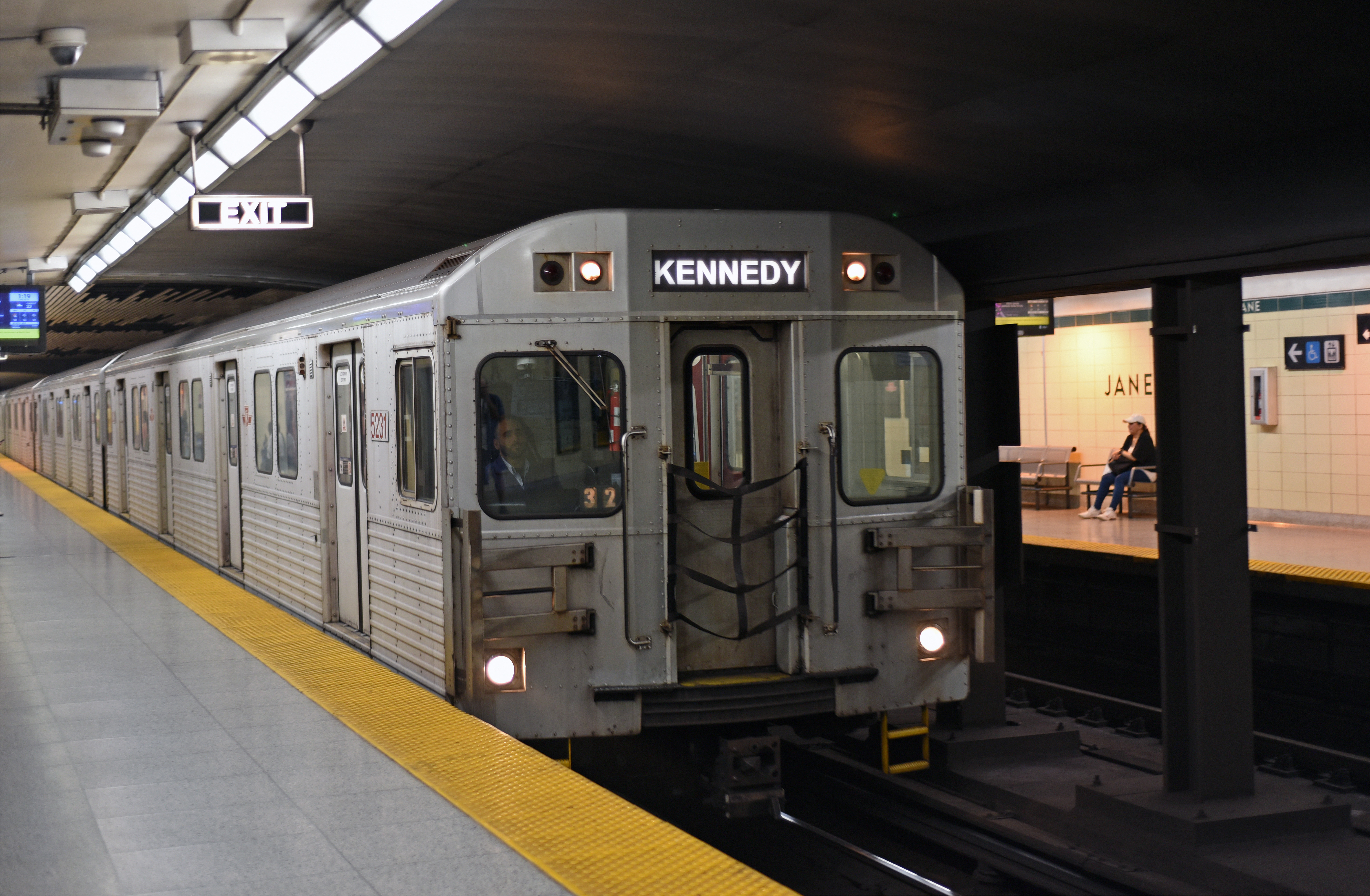
The Toronto Transit Commission recently rolled out an update to its TTC Safe mobile application, promising faster emergency response times inside subway stations by utilizing precise platform location data. While transit executives pitch this as a major victory for rider security, the reality is far more complicated. Digitizing public safety on a transit system plagued by deep cellular dead zones and systemic staffing shortages is a band-aid solution to a structural hemorrhage. An app cannot patrol a platform.
For years, riders have demanded tangible, visible interventions to address rising anxieties on the network. Instead, they got a software patch. To understand why this upgrade falls short, we have to look past the corporate press releases and examine the infrastructure failures and skewed priorities that define the current state of Toronto’s transit security.
The Illusion of the Digital Panic Button
The core of the recent update relies on integrating the app with the subway system's internal Wi-Fi and localized Bluetooth beacons to pinpoint exactly where a user is standing when they report an incident. On paper, eliminating the need for a panicked rider to guess their nearest station pillar number sounds like progress.
In practice, the technology relies on a fragile ecosystem.
[Rider App Signal] -> [Station Wi-Fi/Beacon] -> [TTC Transit Control] -> [Emergency Dispatch]
If any link in this chain degrades, the system fails. The transit network's underground Wi-Fi network, operated by BAI Communications before being acquired by Rogers, has historically suffered from patchy connectivity, particularly during peak hours when thousands of devices fight for bandwidth.
Furthermore, the app requires a functioning smartphone, an active connection, and the physical ability to navigate a digital interface during a crisis. A rider facing an immediate, high-stress confrontation does not have the luxury of unlocking their phone, opening an app, selecting a category, and typing out details. They need immediate, physical intervention. By shifting the burden of reporting onto the victim or bystanders via personal technology, the transit agency subtly absolves itself of the responsibility to maintain a visible, proactive security presence on the ground.
The Dead Zone Reality
Toronto’s subway system remains a patchwork of connectivity. While cellular carriers have made strides in expanding 5G coverage through the tunnels, significant gaps remain, especially on the older segments of Line 1 and Line 2.
Consider a hypothetical scenario where a dispute breaks out inside a moving train between Bloor-Yonge and Castle Frank. The rider triggers the app. Because the train is in a deep tunnel section with poor signal penetration, the data packet hangs. By the time the train pulls into the next station and hits the platform Wi-Fi, the situation has already escalated, and the aggressor has fled into the crowd.
This latency is a systemic flaw. Emergency response relies on seconds, not minutes. While static platform beacons help locate a stationary user, they do absolutely nothing for the dynamic, fast-moving nature of transit incidents that occur transit-wide.
The Disconnect Between Reports and Boots on the Ground
Even if we assume the app works flawlessly and transmits a perfect location packet to TTC Transit Control, a fundamental question remains. Who actually responds?
Data from recent years shows a stark imbalance between the volume of reports generated by riders and the available workforce to handle them. The TTC employs Special Constables, corporate security guards, and station staff. However, their distribution across the sprawling network of 75 stations is thin.
- Response times lag because personnel are often miles away, stuck on different trains or clearing backlogs at major hubs.
- Station agents have been removed from traditional booths and placed on platforms, but they are unarmed and untrained to handle severe mental health crises or violent disruptions.
- Contracted security guards possess limited legal authority, acting primarily as observers rather than deterrents.
Flooding a central dispatch desk with automated location data does not magically create more responders. It creates a bottleneck at transit control, where operators must manually triage app alerts alongside traditional emergency point-to-point intercoms, track-level cut-out requests, and direct calls from emergency services.
The Diversion of Capital
Every dollar spent on software development, app maintenance, and digital marketing is a dollar not spent on physical infrastructure or human capital. The transit agency's budget has been under immense strain, leading to service cuts, increased wait times, and deferred maintenance.
Choosing to invest heavily in a digital reporting tool allows administrators to check a box labeled "Safety Innovation" during city council meetings without committing to the recurring, long-term costs of hiring salaried, well-trained safety personnel. It is a classic corporate strategy. Substitute a high-visibility, low-overhead digital product for the expensive, gritty work of physical system management.
True transit safety is built on visibility and environmental design. Brighter lighting, clear sightlines, reliable physical emergency talkback buttons, and, above all, the consistent presence of authoritative, helpful human beings. When a platform is empty at midnight, a glowing smartphone screen offers cold comfort.
What Real Accountability Looks Like
If the transit system genuinely wants to leverage technology for safety, the app cannot exist in a vacuum. It must be paired with radical transparency and structural reform.
First, the data collected by the app should be publicly accessible via an open-data dashboard updated weekly. Riders deserve to see exactly how many reports are filed, the nature of those reports, and the precise response times for every single alert. If the app is truly reducing response times, the numbers will prove it. Hiding this data behind proprietary walls suggests a fear of public scrutiny.
Second, the agency must address the root causes of rider anxiety rather than merely streamlining the method by which that anxiety is reported. This means coordinating directly with municipal social services to deploy dedicated crisis-intervention teams across the network, ensuring that individuals experiencing homelessness or mental health crises receive appropriate support before an incident occurs.
Riders do not want a better way to report that they are unsafe. They want to be safe. Until the infrastructure beneath the software is fixed, the updated app remains a digital placebo on a system that desperately needs a cure.