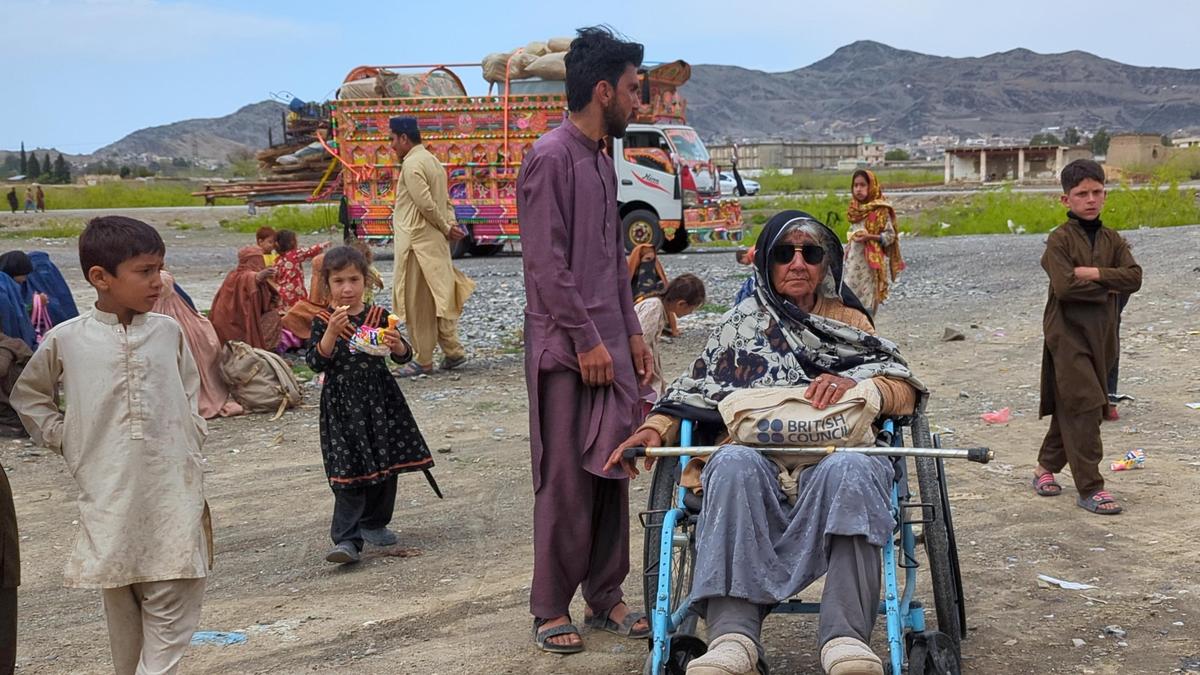
Nigeria’s education system isn’t just failing. It’s essentially flatlining for millions of kids in rural communities. When you look at the numbers, they're staggering. Over 20 million children are out of school across the country. That's not just a statistic; it’s a ticking time bomb for the largest economy in Africa. While the government bickers over budgets and urban centers see shiny new private academies, the kids in the "last mile" villages are left with nothing but dirt floors and broken dreams.
Most people talk about this crisis in vague, academic terms. They mention "funding gaps" or "infrastructure deficits." But some people aren't interested in talking. Take the example of couples and small-scale foundations who've decided to stop waiting for a miracle from Abuja. They’re buying bricks, hiring local teachers, and proving that the education crisis is solvable if you’re willing to get your hands dirty.
Why the Nigerian Education Crisis Is Different
Education in Nigeria isn't a monolith. If you’re in Lagos or Abuja, you’ve got options. But move a few hours into the hinterlands of the North or the creeks of the Niger Delta, and the map goes blank. The "out-of-school" phenomenon isn't always about a lack of desire. Parents in these areas want their kids to learn. The problem is a brutal mix of poverty, distance, and security.
Kids often have to walk five or ten kilometers just to reach a building that barely qualifies as a school. We're talking about structures with no roofs where lessons stop the moment it starts raining. When a couple decides to tackle this, they aren't just building a school. They're building a sanctuary. They’re creating a space where a child doesn't have to choose between their safety and their future.
Moving Beyond Charity to Sustainability
The biggest mistake most Western donors and even local philanthropists make is thinking that a one-time donation fixes everything. It doesn't. Giving a kid a backpack is nice, but it doesn't pay the teacher’s salary in November. It doesn't fix the borehole when it breaks.
Authentic change happens when the community has skin in the game. The most successful grassroots education projects in Nigeria right now follow a specific pattern. They don't just drop a building in a village and leave. They involve the local chiefs. They hire women from the village to handle school meals. They make the school the heartbeat of the community.
I’ve seen how this works. When the villagers feel like the school belongs to them—rather than some distant NGO—they protect it. They maintain it. They make sure the kids actually show up. This is the "labor of love" that actually scales. It’s messy, it’s slow, and it’s often frustrating, but it’s the only thing that sticks.
The Cost of Waiting for Government Intervention
Waiting for the Nigerian government to fix basic education is a losing game. The budgetary allocation for education consistently falls below the 15-20% recommended by UNESCO. In reality, it often hovers around 5% to 8%. Much of that gets swallowed by administrative overhead before it ever reaches a classroom.
This is why private citizens are stepping in. They’re realizing that if they don't educate the children in these rural areas, the entire social fabric of the country will eventually tear. We're seeing a rise in "micro-schooling" and low-cost private models. These aren't fancy. They’re functional. They focus on the basics: literacy, numeracy, and critical thinking.
Breaking the Cycle of Poverty with Basic Literacy
It sounds simple, but the ability to read and write changes the economic trajectory of a family within a single generation. In rural Nigeria, a child who can read can help their parents understand agricultural instructions, manage small business accounts, and avoid being cheated in the marketplace.
- Literacy rates in some northern states are below 30%.
- Female enrollment drops off sharply after primary school.
- Teacher-to-student ratios in rural areas can be as high as 1 to 100.
When a dedicated couple or a small group of activists sets up a school, they aren't just teaching ABCs. They’re providing a ladder. They’re giving kids a way out of subsistence farming and into the modern economy.
Real Challenges Nobody Tells You About
Running a school in a crisis zone or a remote village isn't all smiles and graduation photos. It’s hard. It’s "I want to quit" hard. You deal with things like "teacher flight," where educators you’ve trained leave for better-paying jobs in the city the first chance they get. You deal with currency devaluations that make your budget for textbooks vanish overnight.
And then there's the security issue. In many parts of Nigeria, schools have become targets. Ensuring the safety of students requires more than just a fence; it requires deep-rooted local intelligence and trust. You have to be a diplomat, a construction foreman, and a fundraiser all at once.
Honestly, most people who start these projects fail because they underestimate the bureaucracy. Even if you're building a school for free, you'll still face officials asking for "documentation fees" or trying to shut you down because your desks are the wrong shade of blue. You need a thick skin and a very long-term perspective.
What You Can Actually Do
If you're looking at the state of Nigeria and feeling overwhelmed, don't just send money to a massive global charity where 40% goes to "administration." Look for the people on the ground. Look for the couples and the small teams who are actually in the villages.
Don't just fund a building. Fund a teacher’s salary for a year. Fund a school meal program. In many of these communities, the promise of one nutritious meal a day is enough to keep a child in school. It’s a practical, localized approach that bypasses the broken systems of the state.
The education crisis in Nigeria won't be solved by a single grand gesture. It’ll be solved by a thousand small ones. It’ll be solved by people who decide that "not my problem" isn't an option anymore.
Start by identifying a specific community or a vetted local hero. Verify their work through local contacts or social media transparency. Set up a recurring commitment rather than a one-off gift. Education is a marathon, and the kids in rural Nigeria are waiting for us to join the race. Get involved with organizations like the Special Foundation or Slum2School, which have proven track records of transparency and direct impact in the most difficult regions.