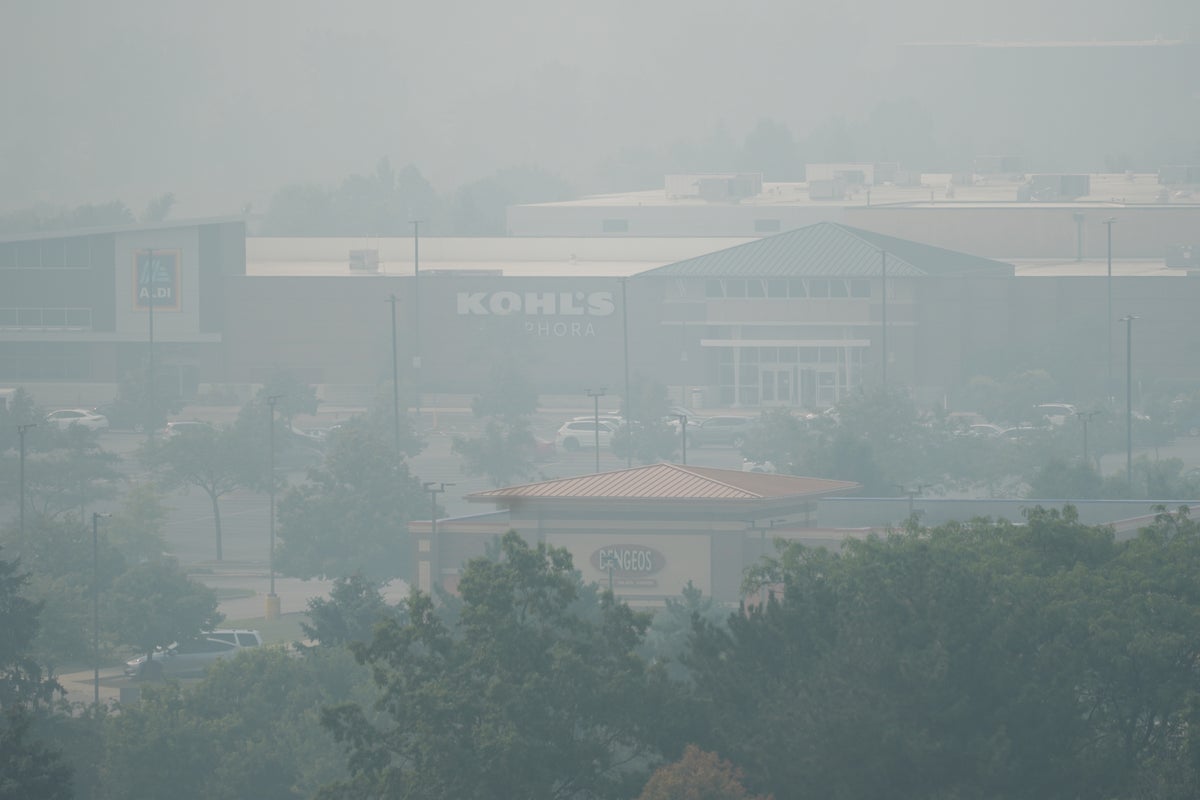
The toxic orange haze creeping over the stadium rim is no longer a freak occurrence. When wildfire smoke blanketed a premier international venue just hours before kickoff, it exposed a glaring, systemic vulnerability at the heart of global sports governance. Mega-sporting events are running directly into the path of climate reality, and the institutions running them are completely unprepared. While organizing committees scramble to protect their broadcast schedules, athletes are being asked to perform extreme aerobic feats in air that resembles a coal mine shaft.
This crisis is not about an unfortunate weather delay. It is about a fundamental conflict between multi-billion dollar commercial contracts and the biological limits of the human body. As wildfire seasons lengthen and intensify across the globe, the decision to play through hazardous air quality highlights a dangerous truth. The institutions that govern global sports are willing to gamble with player health to protect their bottom line. Also making headlines lately: How English Football Ignores the Argentine Falklands Provocation.
The Choking Reality of Elite Sport under Orange Skies
To understand why this is a crisis, one must look at what happens to an elite athlete when the Air Quality Index (AQI) climbs into the hazardous zone. Footballers are not casual joggers. During a ninety-minute match, a professional player will run up to twelve kilometers, much of it in high-intensity sprints.
This level of exertion requires massive oxygen consumption. An athlete at peak performance can inhale up to two hundred liters of air per minute. When that air is saturated with fine particulate matter, known as PM2.5, the consequences are immediate and damaging. More information into this topic are explored by Yahoo Sports.
The Physiology of Gasping for Air
PM2.5 particles are less than 2.5 micrometers in diameter. They are so small that they bypass the body's natural filtration systems in the nose and throat. They travel deep into the lungs, settling in the alveoli, where oxygen enters the bloodstream.
From there, these microscopic soot particles cross directly into the vascular system. The immediate physiological response is systemic inflammation. The heart must work harder to deliver oxygen to oxygen-starved muscles, causing the heart rate to spike prematurely. Bronchospasms constrict the airways, making every breath feel like inhaling hot sand.
For an elite athlete, this translates to a rapid decline in aerobic capacity, cognitive fatigue, and impaired decision-making. More concerning are the long-term risks. Exposure to high levels of PM2.5 during extreme exertion can cause myocardial ischemia, permanent lung tissue scarring, and severe respiratory distress that can linger for weeks or months after the match ends.
Why Modern Stadiums Are Atmospheric Traps
There is a common misconception that modern, high-tech stadiums can protect players and spectators from environmental hazards. The reality is quite the opposite. The architectural design of modern sports arenas often turns them into massive, open-air bowls that trap air pollutants.
The Illusion of the Retractable Roof
When smoke began settling over the pitch, stadium officials pointed to the retractable roof as a potential savior. This was a hollow promise. Retractable roofs are designed to keep out rain and snow; they are not sealed, pressurized domes.
Most stadiums with retractable roofs lack the industrial-grade HVAC and particulate filtration systems required to scrub millions of cubic meters of air. Closing the roof on a stadium already filled with wildfire smoke simply seals the toxic air inside, preventing natural wind currents from dispersing the particulate matter. It transforms a breezy, smoky bowl into a stagnant, highly concentrated chamber of carbon monoxide and fine soot.
Furthermore, the heat island effect created by concrete structures and thousands of spectators causes warm, dirty air to sink and pool at the pitch level. Players are running through a microclimate that is often significantly more polluted than the surrounding city.
The Financial Contracts Forcing Athletes into Toxic Air
If the physical danger is so clear, why do organizers insist on pushing ahead with matches when the sky turns orange? The answer lies in the complex web of broadcasting rights, sponsorship deals, and insurance policies that dictate the scheduling of major tournaments.
Broadcasters and the Billions at Stake
The financial architecture of a tournament like the World Cup is incredibly rigid. Broadcasting rights are sold years in advance to networks across multiple time zones. These networks sell advertising slots based on highly specific time windows.
If a match is postponed or canceled, the cascading financial losses are staggering. A single rescheduled match can trigger millions of dollars in make-good advertisements, breach of contract lawsuits, and logistical nightmares for traveling fans.
Insurance policies for these mega-events also contain strict clauses regarding force majeure. Most event cancellation insurance policies require proof that holding the event was physically impossible or prohibited by local government mandates.
Because many local jurisdictions do not have legally binding stop-work laws for outdoor athletic events based on air quality, insurance companies can argue that the game could have been played, leaving organizers to foot the massive bill for any postponement. Under this pressure, organizers almost always choose to play, hiding behind vague statements about monitoring the situation.
The Complete Failure of Governing Body Air Standards
The lack of clear, binding regulations from organizations like FIFA, the IOC, and continental federations is perhaps the most damning aspect of this crisis. While these organizations have extensive protocols for lightning, extreme heat, and even security threats, their guidelines for air quality are shockingly weak and subjective.
The Soft Limits of the Air Quality Index
Most international sports federations do not have a hard ceiling for air quality. Instead, they rely on advisory thresholds. For example, while some local high school athletic associations across North America strictly ban outdoor activities when the AQI exceeds 150, professional leagues and international bodies often operate in a grey area well past an AQI of 200.
This lack of standardization leads to dangerous ad hoc decisions made on the fly by match commissioners who are under immense pressure to let the game proceed. They consult local meteorological reports, argue with team doctors, and ultimately compromise.
The result is a dangerous inconsistency where matches are played in conditions that would trigger public health warnings advising citizens to stay indoors with their windows shut. The message sent to athletes is clear: their lungs are secondary to the spectacle.
The Broken Playbook of Mitigation
Faced with criticism, sports executives often point to their localized mitigation strategies. They highlight increased hydration breaks, oxygen tanks on the sidelines, and specialized medical monitoring.
These measures are nothing more than public relations theater. An oxygen tank on the sideline cannot reverse the cellular damage caused by ninety minutes of inhaling soot. Hydration does not clear PM2.5 from the bloodstream.
These band-aid solutions ignore the fundamental reality of the problem. You cannot mitigate a toxic atmosphere. You can only avoid it.
To protect the integrity of sports and the lives of those who play them, governing bodies must establish independent medical panels with the absolute authority to cancel or postpone matches based on real-time PM2.5 measurements at pitch level. These panels must be insulated from the financial pressures of broadcasters and sponsors.
Until sports organizations treat air quality with the same gravity as a structural failure or an active lightning storm, players will continue to be deployed as modern-day gladiators, running themselves ragged under a canopy of poison. The orange skies are not going away. The only question is how many athletes must collapse before the business of sports accepts that the air we breathe cannot be bought, sold, or ignored.