Everybody loves a bargain until the well runs dry and the county condemns the roof over your head.
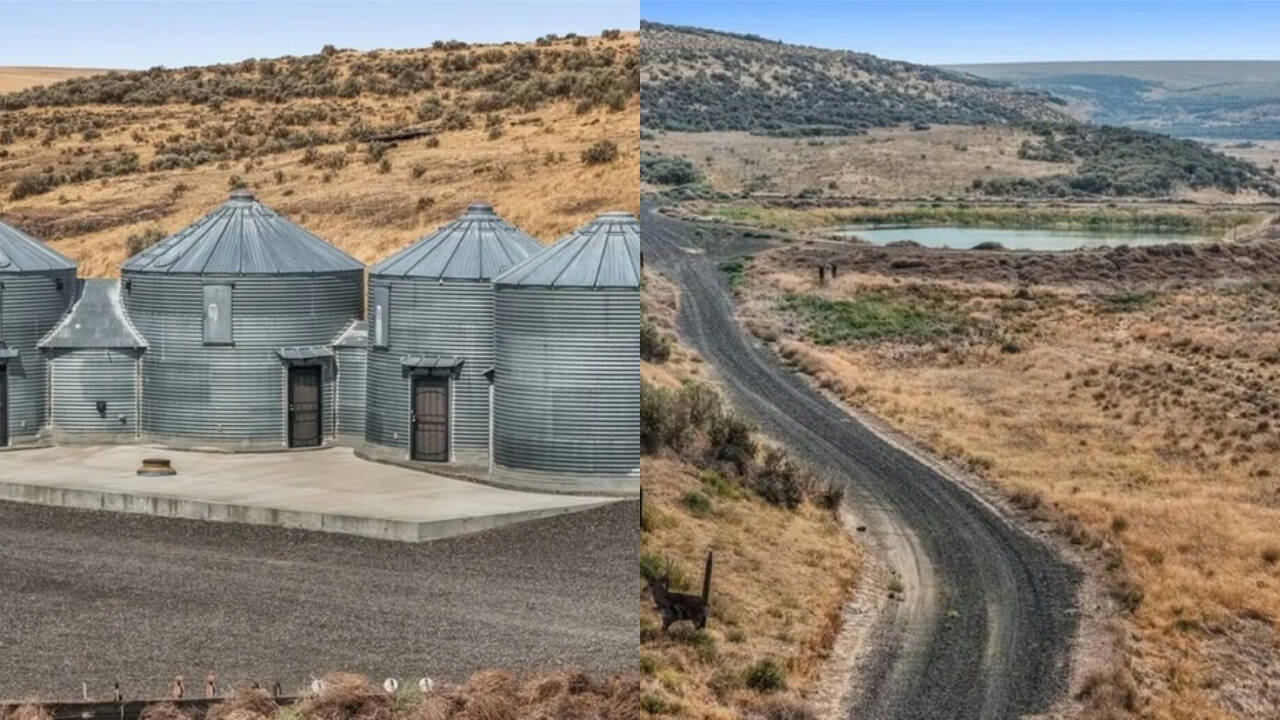
Look at the real estate feeds right now. A 386-acre Washington spread featuring converted grain silos, a picturesque pond, and supposedly secure water rights sits on the market for a modest $895,000. To the city slicker scrolling Zillow with a cup of artisanal oat milk, it looks like an escape hatch from modern misery. Cheap dirt, wide-open spaces, romantic agricultural rusticism.
It is a trap.
I have watched greenhorn buyers flush millions of dollars down rural drains because they fell in love with a romanticized aesthetic while ignoring the brutal structural economics of remote property ownership. When a listing shouts about converted grain silos and water rights, your immediate reaction should not be excitement. It should be intense suspicion.
Let us dismantle the lazy consensus surrounding cheap acreage.
The Water Rights Illusion
The most dangerous phrase in rural real estate is water rights. Novices treat water rights like a deeded parking spot, assuming that if the phrase appears in the listing, water magically flows forever from the spigot.
Reality works differently.
In the western United States, water rights are governed by prior appropriation doctrine. First in time, first in right. Owning surface water or a well permit does not guarantee volume, quality, or legal protection during a drought year. Junior water rights holders get cut off first when local irrigation districts or senior senior-status ranchers call on the river.
Furthermore, converted grain silos do not magically transform into cheap residential masterpieces without facing brutal engineering realities. Steel conducts heat and cold with ruthless efficiency. Condensation destroys insulation packages from the inside out unless managed by someone who understands moisture barriers in industrial retrofits. You are not buying a quirky farmhouse. You are buying a maintenance nightmare wrapped in corrugated metal.
The Maintenance Trap Nobody Mentions
Let us talk about the infrastructure ledger. When a property spans nearly four hundred acres for under a million dollars, the price reflects the deferred liabilities.
Distance costs money. Every mile away from municipal grid support adds a multiplier to contractor labor, materials transport, and emergency response times. If your septic system fails on a remote parcel, you are not waiting for a local plumber to drop by after lunch. You are waiting three weeks and paying premium mobilization fees for a crew willing to haul heavy excavation equipment down miles of unpaved, washboard county road.
Fencing presents another financial black hole. Three hundred eighty-six acres requires miles of perimeter fencing to manage livestock or keep local cattle from grazing your property under open-range laws. Replacing old barbed wire costs thousands of dollars per mile in materials alone, before factoring in post-hole augers, sweat, and torn truck tires.
I have seen hopeful buyers blow their entire renovation contingency fund on cosmetic interior finishes inside those trendy silos, only to discover their well pump burned out, the transformer down the lane requires a twenty-thousand-dollar upgrade, and the local county assessor just reclassified their agricultural exemption because they failed to graze the minimum head of livestock required by state law.
The Counter-Intuitive Alternative
If you want rural independence, stop shopping for cheap acreage with romantic architectural gimmicks.
Buy smaller, buy closer to municipal infrastructure, and pay for proven, boring utilities. Fifty well-managed acres with a modern stick-built home, a drilled well with tested flow rates, and a functioning grid connection will out-value and out-survive a sprawling, isolated bargain every single time.
Romance does not pay the contractor. Cash flow does.
Stop looking at the square footage of the silos. Look at the replacement cost of the transformer, the depth of the water table, and the condition of the county road during mud season.
Do not buy someone else's unfinished project disguised as a lifestyle upgrade.