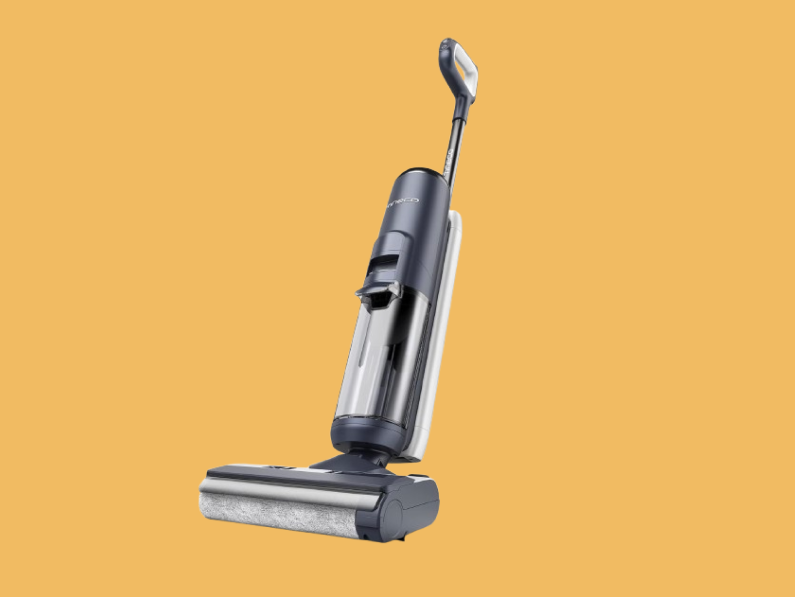
Every gadget publication on the internet is currently running the exact same tired playbook. They pull ten plastic wands out of cardboard boxes, test them on a designated patch of spilled cereal in a sterile studio, and crown a four-hundred-dollar lithium-ion stick as the savior of your hardwood floors. They talk about suction ratings as if you are hauling construction debris, praise battery modules that degrade after eighteen months of daily charging, and pretend that emptying a dust cup the size of a teacup is normal human behavior.
It is a scam. Not a malicious, midnight-raid-on-your-bank-account scam, but an engineering compromise sold to you as an upgrade.
I have spent the past decade tearing down consumer appliances, analyzing airflow dynamics, and measuring actual suction decay over time. I have seen heritage manufacturers pivot from building motors designed to outlive the mortgage to engineering planned obsolescence into sealed battery packs. When you buy a modern cordless stick vacuum, you are paying a massive premium for a battery, a proprietary charging dock, and a miniaturized motor that sacrifices static lift for raw peak velocity.
You are trading performance for convenience. And worse yet, you are buying a product designed to die.
Let us dismantle the lazy consensus piece by piece.
The Suction Mirage and the Airflow Lie
The primary selling point of every high-end stick vacuum is air wattage or peak suction power. Manufacturers throw numbers around like seventy thousand RPM brushless motors and cyclonic separation chambers.
Here is what they will not tell you: peak suction means nothing if it cannot be maintained under load.
A traditional corded upright vacuum relies on a heavy-duty induction motor drawing a steady twelve amps straight from your wall outlet. It pulls air through a wide, sealed channel, generating massive static lift. That lift is what pulls embedded pet dander out from the base of high-pile carpet fibers.
Cordless vacuums operate under severe electrical constraints. To keep the weight under seven pounds and the run time above ten minutes, engineers use low-voltage lithium-ion packs that throttle power output the moment resistance hits the brush roll. The moment your vacuum encounters a dense rug or a clump of pet hair, the smart circuitry dials back power to prevent thermal shutdown.
You are not getting deep-clean power. You are getting an expensive handheld duster with a motorized floor head attached to it.
Imagine a scenario where you take a high-end cordless stick and a ten-year-old corded canister model to the same pet-hair-embedded living room rug. The cordless unit will make the surface look pristine within thirty seconds. It will pick up the surface lint, the stray kibble, and the loose dust. But flip that rug over. The corded canister, utilizing continuous, unthrottled static lift, will pull out a secondary layer of hidden silt and dander that the stick vacuum simply did not have the electrical muscle to reach.
If you have wall-to-wall carpeting and three shedding dogs, a cordless vacuum is a supplementary broom, not a cleaning solution.
The Battery Obsession and the Disposable Appliance Economy
Lithium-ion batteries have a shelf life dictated by electrochemistry, not marketing hype. Every time you charge that battery from zero to one hundred percent, you degrade the chemical pathways inside the cell.
Most premium stick vacuums on the market are engineered with integrated, non-user-swappable battery packs. When the battery begins to hold only four minutes of charge on high mode—which typically happens right around month nineteen—you are faced with a choice. You can pay sixty percent of the original retail price for a manufacturer repair, or you can throw the entire chassis into a landfill and buy a new model.
This is the dirty secret of the cordless boom. It has turned floor care into fast fashion.
We generate millions of tons of e-waste annually, and a startling percentage of it now consists of battery-powered cleaning sticks with dead cells and worn-out cyclonic seals. When you spend six hundred dollars on a sleek, matte-grey vacuum because a lifestyle blogger told you it matched their minimalist aesthetic, you are buying a subscription model disguised as a hardware purchase.
The companies know this. They design the filters to clog, the plastic hinges to snap under torsional stress, and the batteries to fade right as the warranty expires.
The Dust Cup Fallacy
Proponents of cordless models wax poetic about bagless convenience. They love the cinematic moment of holding the vacuum over a trash can, pressing a single latch, and watching a cloud of pulverized dust explode directly back into the air you are breathing.
Let us be brutally honest about bagless dust cups. They are an engineering compromise designed to satisfy people who hate maintenance.
To empty a stick vacuum cup, you must shove your fingers into a chamber caked with fine hair, dust mites, and microscopic skin cells, pulling out matted clumps that refuse to slide past the plastic inner cone. If you suffer from allergies, a bagless cordless vacuum is an active health hazard. Every time you empty it inside your home, you aerosolize the very allergens you just spent twenty minutes vacuuming off the floor.
Sealed HEPA bags on traditional vacuums capture ninety-nine point nine percent of particulate matter and lock it away permanently. You pull out a clean collar, toss the bag into the bin, and never touch the filth.
People Also Ask
If you type cordless vacuums into any search engine, the same panicked queries appear. Let us dismantle them with zero corporate spin.
Can a cordless vacuum really replace a corded vacuum?
No. Not unless your home consists entirely of polished hardwood, tile, and low-traffic area rugs. If you own thick carpeting, heavy upholstery, or pets that shed year-round, a cordless vacuum functions strictly as an accessory. It is great for cleaning up cheerios under the kitchen table or dusting ceiling fan blades. For actual deep cleaning, it is a toy.
Why do cordless vacuum batteries die so fast?
Because high-draw lithium-ion cells generate immense heat. When you run a vacuum on maximum suction mode, you are pulling current at rates that stress the chemical composition of the cells. Heat accelerates degradation. If you run your cordless vacuum exclusively on max mode, you are cutting its functional lifespan in half.
Are expensive cordless models worth the extra money?
Usually, you are paying for brand name cachet, extra LED lights on the floor head, and digital screens that tell you your remaining battery life down to the second. The actual raw cleaning performance between a mid-tier model and a top-tier flagship often varies by less than five percent. You are paying luxury tax on a plastic appliance.
The Unconventional Playbook
If you want clean floors without participating in the consumerist appliance trap, here is what you actually do.
First, stop looking at cordless sticks as your primary cleaning tool. Accept them for what they are: high-end dustbusters.
Second, if you have a mixed-flooring home with pets, buy a wired canister vacuum with bagged filtration for your deep-cleaning days. It will outlive three generations of stick vacuums, maintain consistent suction over a decade of use, and protect your indoor air quality.
Third, if you refuse to deal with a cord out of sheer stubbornness, buy a cordless model that features an easily swappable, modular battery pack. Keep a second battery charged in the utility closet. When the primary cell starts to fade in two years, you spend forty dollars on a fresh battery instead of six hundred dollars on a new machine.
The industry wants you trapped in an endless cycle of upgrades, battery degradation, and disposable engineering.
Step off the treadmill. Buy tools that last, demand actual performance metrics over sleek marketing renders, and stop letting influencers dictate how you clean your floors.