Your refrigerator is not a graveyard of unsealed food. It is a graveyard of overbuying.
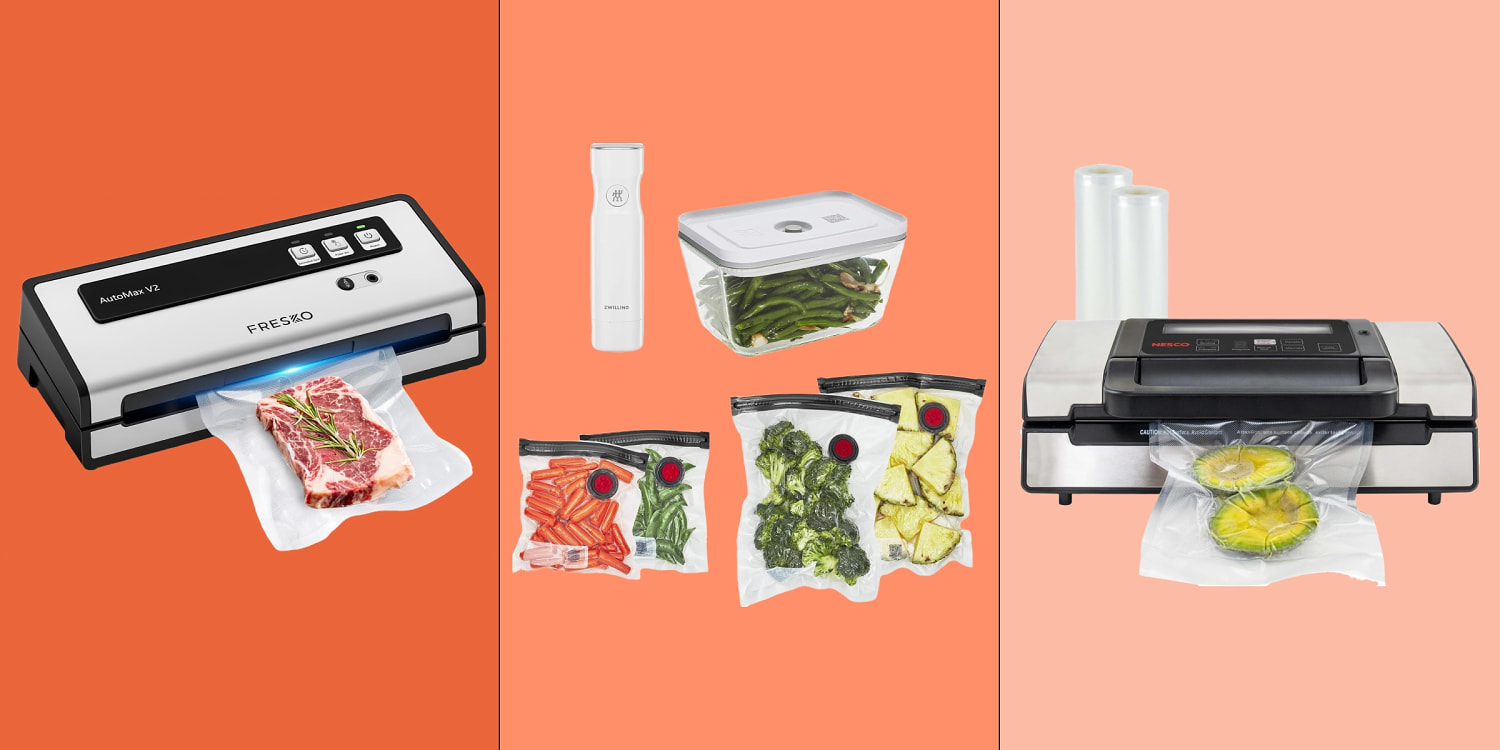
Standard shopping guides tell you the same tired story. Buy a countertop vacuum sealer. Pull out the oxygen. Watch your meat, berries, and coffee last five times longer. Save money and save the planet. Don't forget to check out our earlier article on this related article.
Sounds tidy. Completely backwards.
Most home food waste does not happen because someone lacked a suction pump. It happens because people buy three pounds of ribeye when they cook two nights a week, buy a bulk bag of spinach with a wilted corner already hiding in the middle, or shove half-eaten leftovers behind a jar of pickles and forget they exist. A vacuum sealer does not fix impulse buying. Worse, it often creates a false sense of security that turns food into a slow-motion science experiment. To read more about the history here, Refinery29 offers an informative breakdown.
Let us dismantle the lazy consensus around vacuum sealers and look at what actually happens inside your kitchen.
The Myth of "Five Times Longer" Shelf Life
Every affiliate-driven kitchen list repeats the claim that vacuum sealing extends shelf life by three to five times. That number is a half-truth dressed up as a universal law.
Oxygen drives aerobic spoilage and oxidative rancidity. Strip away most of the air, and you slow down aerobic bacteria, mold growth, and fat oxidation. In a freezer, removing air dramatically cuts down on freezer burn—which is really moisture loss and oxidation—because the food is not sitting exposed to dry, circulating cold air.
In a refrigerator, the story gets messy fast.
Removing oxygen does not sterilize food. It does not stop spoilage organisms that thrive or tolerate low-oxygen environments. And in chilled, oxygen-reduced packaging, food safety authorities such as the UK Food Standards Agency and the Advisory Committee on the Microbiological Safety of Food pay close attention to non-proteolytic Clostridium botulinum, a spore-forming bacterium capable of growing and producing neurotoxin at refrigeration temperatures if controlling factors like temperature, acidity, salt, or heat treatment are not properly managed.
Think about what happens in real life. A home cook seals a piece of raw fish or a tray of marinated chicken with a cheap external suction sealer. Because the food is still aging slowly in the fridge, they stop checking it by day four. By day ten, they assume it is fine because it looks vacuum-tight and does not have fuzzy mold on top. Mold needs oxygen; plenty of nasty bacteria do not.
Imagine a scenario where you buy two family packs of ground turkey because they are on sale. You vacuum-seal one pack for the freezer and put the second in the fridge, planning to make chili on Thursday. Thursday turns into Sunday. Sunday turns into next Wednesday. You did not prevent waste with the machine; you just delayed the moment you threw out slimy meat.
The Search Intent Trap: Why You Are Asking the Wrong Question
When someone searches for the best vacuum sealers to reduce food waste, they usually have two underlying questions in mind:
- How do I stop throwing away groceries before I eat them?
- Which kitchen gadget will pay for itself?
Both questions start from a flawed premise. The premise is that storage technology is the bottleneck in household food waste.
It is not. Portion planning, meal commitment, and visibility are the real bottlenecks. If food is buried in an opaque or half-buried vacuum pouch at the bottom of a freezer drawer, out of sight quickly becomes out of mind. You buy more groceries because you forgot what you already locked away. Two years later, you find a rock-hard brick of mystery pork chop and toss it anyway.
What About "People Also Ask" Questions?
Let us hit the standard questions head-on without the fluff.
Does vacuum sealing work on all foods?
No. Crushing soft berries or delicate herbs under heavy suction turns produce into bruised mush. Sealing soft cheeses, liquids, or moisture-heavy foods on a basic external strip sealer often pulls liquid right into the sealing strip, ruining the heat seal so air leaks right back in. Even when a seal holds, fresh produce still respires and degrades on its own schedule.
Can vacuum sealing replace freezing or refrigeration?
Never. A vacuum sealer is a supplement to temperature control, not a replacement for it. Put unrefrigerated perishable food in a vacuum bag on your counter and you have not invented shelf-stable magic; you have just created a warm pouch of trouble.
Are chamber vacuum sealers better than external sealers?
Chamber machines are superior for liquids, marinades, and high-volume batching because pressure equalizes inside and outside the bag instead of sucking liquid out of the open end. For most home kitchens, a big chamber unit is heavy, expensive, and overkill—unless you already do serious bulk prep, charcuterie, or sous vide cooking.
Battle Scars From the Kitchen and Commercial Prep
I have watched plenty of home cooks—and plenty of food operators—treat packaging gear like a silver bullet. I have seen commercial kitchens and small food businesses burn serious cash buying fancy packaging equipment while ignoring basic inventory rotation, prep discipline, and portion control. The machine sits there looking impressive while trimmings, over-prepped batches, and forgotten items still end up in the bin.
At home, the pattern is identical. People buy a sleek sealer, burn through twenty expensive roll bags in the first weekend sealing half an avocado, a wedge of cheddar, and a leftover burrito, and then quit using it by month two because dragging it out, cutting bags, wiping moisture off the lip, and heat-sealing takes more friction than tossing leftovers in a glass container you will actually eat tomorrow.
To be fair, there are real experts in food science and packaging—researchers and organizations like the USDA Food Safety and Inspection Service, food packaging engineers, and cold-chain specialists—whose work makes one thing crystal clear: packaging only works as part of a disciplined temperature and handling system.
The Honest Downside of My Own Contrarian Take
Let me own the flaw in pushing back so hard against vacuum sealers.
If you already shop smart, buy in sensible quantities, and still lose food to freezer burn or bulk-meat spoilage, skipping a vacuum sealer can cost you quality. A good vacuum sealer genuinely shines when you buy a whole pork loin or a quarter cow, portion it into dinner-sized cuts, label it clearly, and freeze it flat. It also helps with dry pantry goods like coffee beans or nuts when you want to slow down staling and rancidity.
The trap is buying the machine instead of changing your habits.
External Sealer vs. Chamber Sealer vs. Better Habits
Before you spend a dime on plastic rolls and pumps, compare how different approaches actually tackle food waste:
| Approach | Best Use Case | Real-World Waste Impact | Main Catch |
|---|---|---|---|
| External Vacuum Sealer | Portioning bulk meat for the freezer, dry goods | Moderate if paired with freezer discipline; low if used to hoard | Struggles with liquids, crushes soft items, ongoing bag cost |
| Chamber Vacuum Sealer | Liquids, marinades, heavy batch cooking, sous vide | High for intentional batch-freezing; low for impulse shoppers | Expensive, heavy, takes up serious counter or storage space |
| Clear Containers + Meal Plan | Weekly fridge leftovers, washed greens, prepped ingredients | Often higher than gadget-only fixes because food stays visible | Requires 10 minutes of weekly habit rather than a new appliance |
| Buying Smaller Quantities | High-turnover produce, dairy, fresh fish | Immediate and direct—waste never enters the house | Slightly higher per-unit price on some bulk items |
Unconventional Moves That Actually Cut Food Waste
If your real goal is less wasted food and less money flushed down the drain, try these moves first:
- Audit your trash for two weeks before buying gear. Write down every single item you throw away and why. If 80% of it is wilted greens, forgotten takeout, or extra fruit from a giant pack, a sealer will not solve your problem.
- Use the "Front-Row Leftover" rule. Put today's leftovers and soon-to-expire ingredients in clear containers at eye level. Hide nothing behind tall condiment bottles.
- Freeze with a sharpie and a date. If you do use a vacuum sealer for bulk meat or batch soups, freeze packages flat so they stack like books, and write the exact date and weight on the bag. A nameless frozen lump is a future trash-can candidate.
- Stop sealing food you are going to eat in 48 hours. Friction kills habits. If a meal is on the menu tomorrow or the day after, put it in a reusable container and eat it. Save vacuum bags for genuine multi-week or multi-month storage.
Buy a vacuum sealer when you have a storage and bulk-freezing job that demands it—not because a glossy listicle promised a miracle cure for a messy fridge. Stop shopping for appliances to excuse bad grocery habits. Cook what you buy.