Tin and ozone. That is the smell of the upper atmosphere. It is an artificial climate, pressurized to mimic a mountain valley while hurtling through the stratosphere at six hundred miles per hour. Inside this thin aluminum tube, time behaves strangely. Hours stretch. Personal space shrinks to the width of a polyurethane armrest.
Human beings are not designed to be stacked like cordwood in the dark, breathing recycled air, stripped of every autonomy save the choice between chicken and pasta. Most of us endure it. We wedge our knees against the seatback in front of us, pop our ears during descent, and swallow our irritation. We quiet the primal, evolutionary panic of being trapped in a metal cylinder suspended by physics and blind faith.
Then, rarely, the pressure breaks something inside a person.
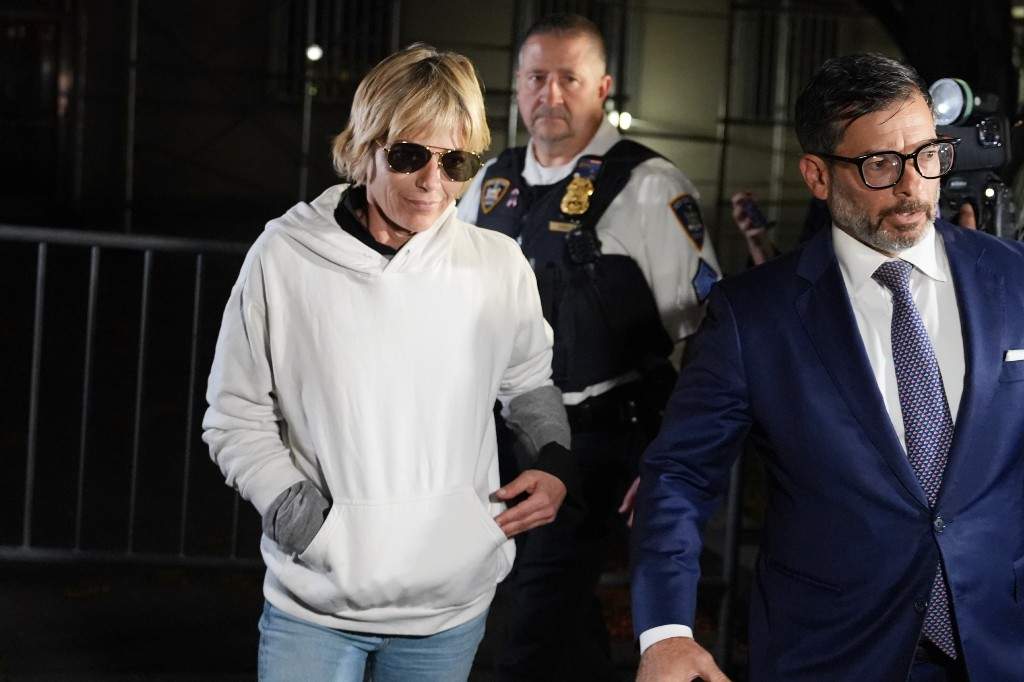
The headlines told a stark, unyielding story. Selma Blair, an actress celebrated for her fierce public grace while navigating the brutal, unpredictable erosion of multiple sclerosis, found herself at the center of a very different kind of storm. Arrested. Charged with assault. Accused of lashing out at flight attendants on a Delta flight.
The public reacts to such moments with a predictable, algorithmic cruelty. We love our icons until they stumble, and then we devour their falls with the ravenous appetite of a crowd watching a tightrope walker lose their footing. We demand perfection from the broken, forgetting that chronic illness does not just attack the myelin sheath; it frays the nervous system. It strips away the insulating layers of patience, leaving raw, exposed wires.
Consider what it means to live inside a body that has betrayed you.
Imagine waking up every morning to a reality where your limbs feel as though they are weighted in lead, where vision blurs without warning, and where the simple act of crossing a room requires an intense, invisible act of will. For years, Blair bore this burden with a staggering, luminous transparency. She walked carpets with a cane, smiling through the tremor. She let the world see her vulnerability, turning her diagnosis into a masterclass in resilience.
Resilience, however, is not an infinite resource. It is a well, and wells can run dry.
When you live with a chronic neurological condition, travel is not merely a logistical inconvenience. It is an obstacle course designed by a hostile architect. Airports are vast, echoing caverns of sensory overload—blinding fluorescent lights, chaotic crowds, endless walking, and the humiliating theater of security checkpoints where dignity is routinely surrendered at the conveyor belt. By the time a chronically ill passenger boards a commercial aircraft, their reserves may already be completely depleted.
We do not know the exact microsecond the cabin air turned to poison on that flight. We do not know what triggered the cascade. Was it a delayed connection? A denied accommodation? A rude comment from a weary crew member at the end of a sixteen-hour shift? Or was it simply the invisible weight of exhaustion meeting the immovable wall of altitude?
Flight attendants walk a tightrope of their own. They are the frontline workers of the sky, managing hundreds of anxious, tired, and sometimes belligerent strangers in a confined space where tempers flare like dry brush. Their job is safety, first and last. When a passenger begins to unravel, the crew has mere seconds to assess the threat, protect the cabin, and maintain order. There is no room for nuance at thirty thousand feet. Protocol is king. Fear is a liability.
When two worlds collide under those pressures, catastrophe is occasionally inevitable.
The legal system will process the incident through its familiar, grinding machinery. Charges will be weighed, statements collected, video footage parsed for every incriminating frame. There will be lawyers and briefs, publicists issuing carefully scrubbed statements of regret, and commentators dissecting the career implications of a single, catastrophic lapse in judgment.
Yet the true tragedy of the moment lies far beyond the courtroom. It lives in the terrifying isolation of losing control in public.
We have all felt the hot prickle of panic rising in our throats when things become too much. We have all known the sudden, irrational urge to scream against the injustice of our limitations. Most of us have the safety valves of privacy—a slammed door, an empty car, a quiet room where we can fall apart safely away from the judgment of strangers.
Celebrities do not have quiet rooms. Their breakdowns are public property, captured on smartphones by anonymous onlookers eager for a front-row seat to a human being's undoing. Every stumble is archived. Every flash of anger is immortalized.
Blair’s story on that flight is a stark reminder of the fragility that underpins all our lives. We build these vast, sophisticated lives—careers, reputations, public identities carved out of talent and hard work—and yet we remain captive to our biology. A shift in brain chemistry, an overwhelming surge of sensory input, a moment of profound, bone-deep exhaustion, and the polished veneer cracks.
Beneath the glamour, beneath the red carpets and the magazine covers, we are all just fragile organisms trying to navigate a world that moves too fast.
We should look at the incident not with the smug satisfaction of the unscathed, but with a sobering recognition of our shared vulnerability. The air up there is thin. The pressures are immense. And sometimes, the weight of simply existing becomes too heavy to bear gracefully.
The plane landed. The doors opened. The flashing lights of the tarmac waited below. But the descent back to earth is rarely gentle when you have already fallen so far from grace.