The morning shift at the metal stamping plant begins before the sun burns through the heavy, grey mist rising off the Tietê River. In the pre-dawn chill, the breath of men and women forms brief, ghostly clouds under the fluorescent glare of the bus stops. They wear faded canvas jackets and carry battered plastic lunchboxes. They are the calloused heart of São Paulo. For decades, their hands built the steel spine of modern Brazil, welding chassis, pouring molten iron, and shaping the ambitions of a rising economic giant.
Then came the silence. Also making waves in related news: The Structural Failure of Island Infrastructure During Tropical Storm Lala.
It was a slow, creeping quiet. First, the overtime hours vanished, replaced by whispered rumors of factory floors moving across state lines or overseas. Then came the layoffs, delivered with clipboard efficiency by managers who had never held a heavy wrench in their lives. The shop floors grew dim. The hum of the stamping presses died down to a low, distant murmur.
In that silence, a profound political fracture took root. Further details regarding the matter are detailed by TIME.
Luiz Inácio Lula da Silva understands this silence better than almost anyone else in South American politics. He lived it. He grew up sleeping on dirt floors, migrating north to south in search of work, and ultimately finding his voice on those very factory floors as a union organizer with grease under his fingernails. When Lula first rose to the presidency, he spoke the language of the working class because it was his native tongue. He promised dignity, three meals a day, and a seat at the table for the people who built the country with their sweat.
Now, years later, the political landscape has shifted beneath his feet. The working class—once the untouchable bedrock of the Workers Party—has fractured. Many factory workers, frustrated by economic stagnation, corruption scandals, and the seductive, populist appeal of right-wing alternatives, drifted away. They traded their allegiance, looking for a strong hand to fix a broken economy that felt increasingly hostile to the ordinary wage earner.
And so, the political machinery spins up once more.
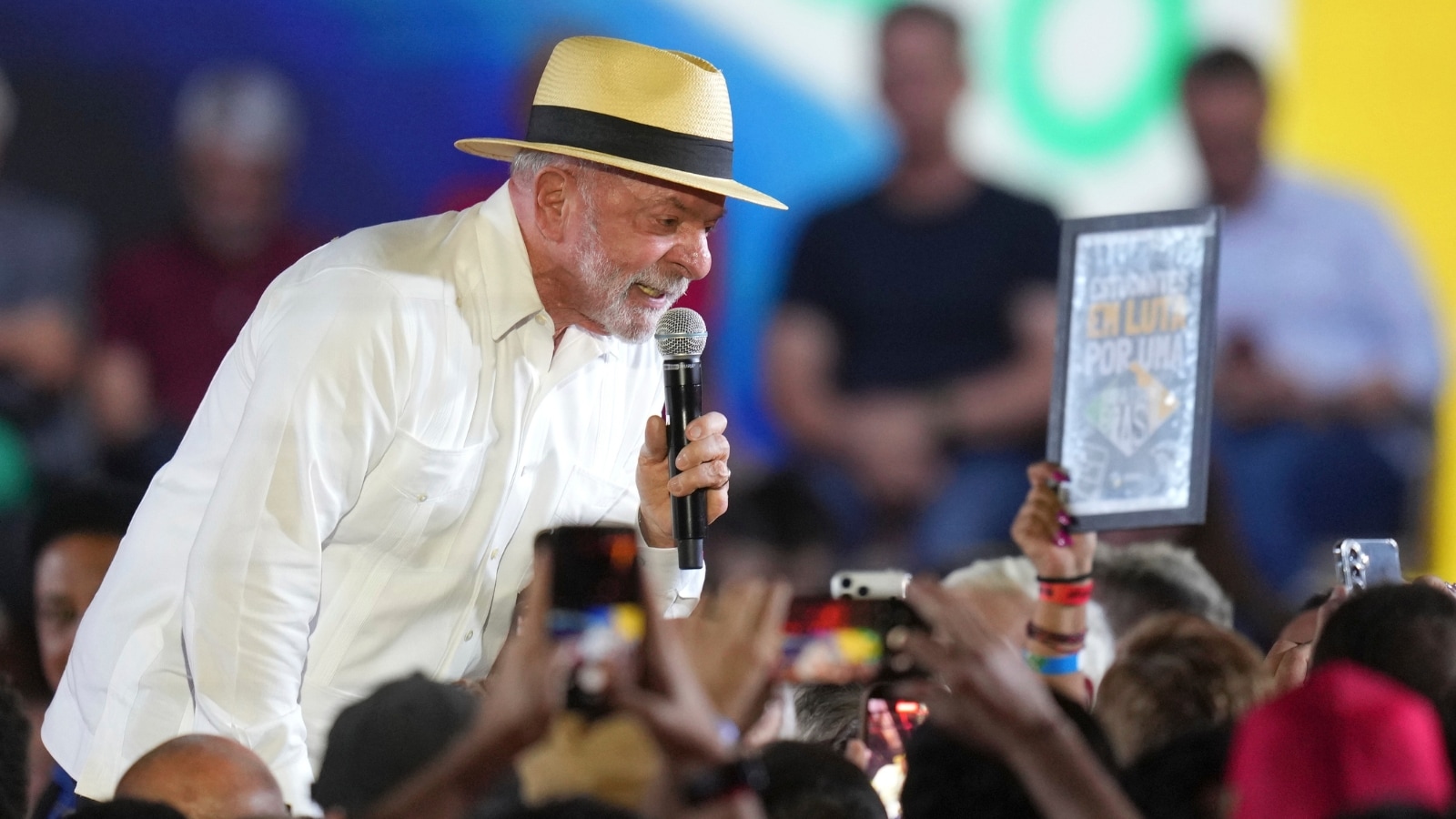
Lula has officially launched his campaign to win them back. But this is not merely a political maneuver or a standard stump speech delivered from a sanitized podium. This is a battle for the soul of the Brazilian labor movement. It is an attempt to reconnect the abstract machinery of the state with the raw, beating heart of the industrial towns that line the industrial belt of São Paulo.
Consider what happens next: a grueling, relentless march across factory gates, union halls, and sun-baked public squares.
To understand why this reelection bid matters, you have to look past the polling data and the macroeconomic forecasts. You have to stand at the gates of a metallurgical plant at five in the morning and watch the faces of workers as they check their phones. Inflation has chipped away at their purchasing power. The price of beef, cooking gas, and diesel has turned a grocery trip into an exercise in painful arithmetic. They are tired. They want stability, but they also want respect. They want to know that the people in Brasília remember who actually pays the taxes and turns the gears.
Lula’s campaign strategy relies on a simple, high-stakes gamble: that the memories of the social mobility programs from his previous terms—the housing grants, the university expansions, the minimum wage hikes—still carry emotional weight. He is betting that the bond forged decades ago on the picket lines can be mended.
Yet, nostalgia is a fragile currency.
The younger generation of factory workers did not live through the resistance against the military dictatorship. They do not remember the electrifying mass strikes of the late 1970s that catapulted Lula into national prominence. To a twenty-four-year-old gig worker delivering food on a battered motorcycle in downtown São Paulo, or a young machine operator juggling two jobs to pay rent, history is just a chapter in a textbook. They care about right now. They care about the cost of living, the lack of secure futures, and the feeling of being invisible to the political elite.
This is the central friction of the current political moment.
When Lula stands before crowds of union members, he leans heavily into his autobiography. He reminds them where he came from. He points to his calloused hands, metaphorically and literally, invoking the shared struggle of the working poor. But politics requires more than shared history; it demands a compelling vision for a future that feels increasingly automated, precarious, and uncertain.
The economic reality facing Brazil is complex. Global supply chain shifts, high interest rates, and volatile commodity prices create a narrow corridor for any administration trying to deliver broad-based prosperity. Critics argue that old-school labor populism is poorly equipped for the digital economy, where traditional factory jobs are giving way to platform labor and informal gigs. They claim that the Workers Party is looking backward while the rest of the world accelerates into a technocratic future.
Lula’s inner circle counters this narrative with a different argument. They contend that without industrial protection and strong labor unions, the modern economy simply devours its weakest participants. They frame the reelection bid not as a nostalgic retreat, but as a necessary defense of worker rights in an era of growing inequality.
Walk through ABC Paulista, the historic cradle of Brazil's industrial unionism, and you can feel this tension hanging thick in the humid air.
In a small, dimly lit café near a shuttered textile mill, older retirees sit drinking dark, bitter coffee. They remember the rallies. They remember the feeling of absolute solidarity when thousands of workers marched together, demanding better wages and democratic freedom. For them, Lula is still the ultimate symbol of working-class triumph.
A few tables away, a younger man scrolls through job listings on a cracked smartphone. He shakes his head, sliding the phone into his pocket. He is cynical about politicians of every stripe. To him, elections are spectacles staged by distant elites, offering endless promises followed by the same daily grind.
Bridging this chasm is the defining challenge of Lula's political career.
Winning back the workers requires more than passionate speeches and historical goodwill. It requires concrete proof that government policy can lower grocery bills, stabilize employment, and restore a sense of upward mobility. It requires convincing the skeptics that the state can be an engine of fairness rather than an instrument of bureaucratic stagnation.
The campaign trail stretches out ahead, a grueling marathon of handshakes, whistle-stop tours, and fierce ideological battles. Every speech is scrutinized. Every policy proposal is dissected by opponents eager to paint the incumbent administration as out of touch with modern economic realities.
As the morning shift ends and the next wave of workers streams through the heavy iron gates of the factory, the noise of machinery resumes. The rhythmic pounding of the presses shakes the concrete floor. Outside, campaign posters flutter in the breeze, bearing faces of hope and defiance. The air smells of ozone, hot oil, and anticipation. The battle for the future of Brazilian labor has begun, and the echo of the factory floor will reverberate all the way to the ballot box.