Spraying weedkiller on a fairway and writing political slogans on turf is criminal vandalism, full stop. Pretending it constitutes a terrorist connection is a dangerous legal fiction that cheapens actual national security and weaponizes the state against political dissent.
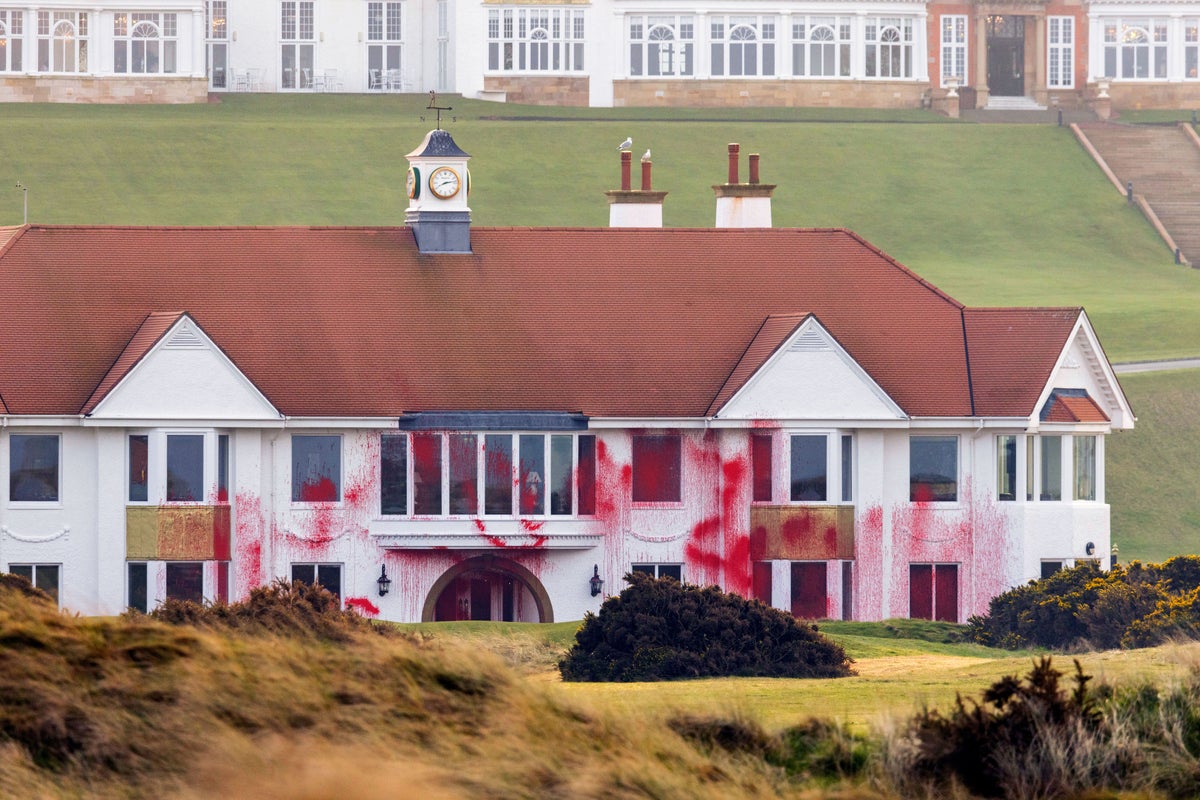
The lazy consensus floating across mainstream media coverage accepts the Crown’s indictment at face value. Seven activists from the proscribed group Palestine Action allegedly dug up turf, painted slogans like Gaza is not for sale on Donald Trump’s Turnberry golf course, and caused property damage. Prosecutors want these defendants sentenced under terrorism aggravations despite choosing not to charge them with any actual terrorism offenses.
That sleight of hand should terrify anyone who cares about proportionality in criminal justice.
The Linguistic Creep of National Security
Words have definitions until expediency strips them bare. Terrorism historically involves premeditated violence intended to intimidate a population or coerce a government through mass casualties and fear. Tacking a terror aggravation onto property damage because a billionaire US president threw a public tantrum on social media turns the penal code into a personal protection racket.
I have watched compliance frameworks and legal standards distort under political pressure for years. When the state stretches the definition of terrorism to encompass paint on a golf clubhouse or a damaged sprinkler system, it commits a category error. Vandalism is an offense against property. Terrorism is an offense against life and public safety. Conflating the two does not make the public safer; it dilutes the legal mechanisms designed to stop mass murder so they can be conveniently repurposed against property-destroying activists.
Following the Timeline of Political Convenience
Look closely at the chronology, and the legal gymnastics become glaringly obvious. The protest at Turnberry happened in March 2025. Trump immediately labeled the activists terrorists on social media. Months later, intense diplomatic pressure, direct phone calls between heads of state, and subsequent international designations converged to outlaw Palestine Action.
When prosecutors overlay a terror connection onto a malicious mischief charge without a terror charge attached, they are performing a political service. They are attempting to bridge the gap between a domestic property crime and an international ban.
Imagine a scenario where every act of property destruction committed in the name of a banned political cause automatically triggers enhanced terror sentencing. Under that logic, spray-painting a bank branch, tipping over a corporate statue, or carving a slogan into a lawn transforms petty criminals into existential threats to the republic. The legal system ceases to judge actions based on their material harm and instead judges them based on the ideological identity of the perpetrator and the victim's social standing.
The Dangerous Precedent for Dissent
The defense of property rights does not require inventing fictitious terror links. Trump’s Turnberry resort suffered real, costly physical damage. The perpetrators should face standard criminal prosecution, financial restitution, and appropriate custodial sentences under established property laws.
Instead, the Crown’s strategy invites global authoritarian copycats. If the United Kingdom and the United States can stretch terrorism statutes to cover golf course turf wars, repressive regimes worldwide will gladly adopt that blueprint to crush any form of public protest.
We are dismantling the guardrails of liberal jurisprudence to settle a petty score over a ruined green.