For decades, commentators have framed the ultimate economic showdown as a simple footrace between two superpowers. Washington and Beijing are frequently cast as equal contenders locked in a symmetrical battle for global financial supremacy. This binary narrative is comforting in its neatness, but it fundamentally misreads the machinery of international finance. The United States and China do not possess equal weight in financial markets, nor are they playing the same sport. While Beijing commands unmatched industrial output and immense state-directed credit, Wall Street retains a structural monopoly over global liquidity and asset pricing that no amount of state fiat can easily displace.
The Mechanics of Market Depth
Liquidity is the oxygen of financial markets. Without it, even the largest economy becomes an immobilized giant. The American financial ecosystem thrives on depth, transparency, and an open architecture that attracts foreign capital from every corner of the planet. Treasury bonds, corporate debt instruments, and equities trade in volumes that dwarf domestic alternatives anywhere else.
Consider a hypothetical multi-billion-dollar institutional portfolio manager seeking to park surplus cash overnight or execute a massive asset reallocation during a crisis. That manager requires an arena where transactions can clear instantly without distorting prices beyond recognition. New York provides that hyper-liquid pipeline.
Conversely, China’s markets remain ring-fenced by strict capital controls and heavy administrative guidance from the People's Bank of China. While these barriers insulate the domestic economy from sudden speculative outflows, they simultaneously repel the very institutional capital required to build a deep, multi-currency global financial center. Foreign investors cannot commit trillions of dollars to an environment where currency convertibility is managed by ministerial decree rather than open market clearing.
The Currency Trap and the Dollar Exorbitant Privilege
The greenback remains the unchallenged anchor of global trade invoicing and central bank reserves, accounting for the vast majority of cross-border transactions. This dynamic creates a structural asymmetry that structural models often ignore. When global uncertainty spikes, capital flees toward dollar-denominated assets, driving down borrowing costs for the United States even as its fiscal deficits expand.
China has spent years attempting to internationalize the renminbi through bilateral swap lines and digital currency pilots. Yet, a currency cannot become a global safe haven merely because a central bank wills it into existence. Global stores of value require deep rule of law, independent judicial oversight, and predictable political institutions where property rights cannot be retroactively altered by regulatory shifts. Beijing's desire to internationalize the yuan collides head-on with its insistence on maintaining absolute domestic control over capital allocation. You cannot internationalize a currency while keeping a choke chain on its movement.
Industrial Might Versus Financial Architecture
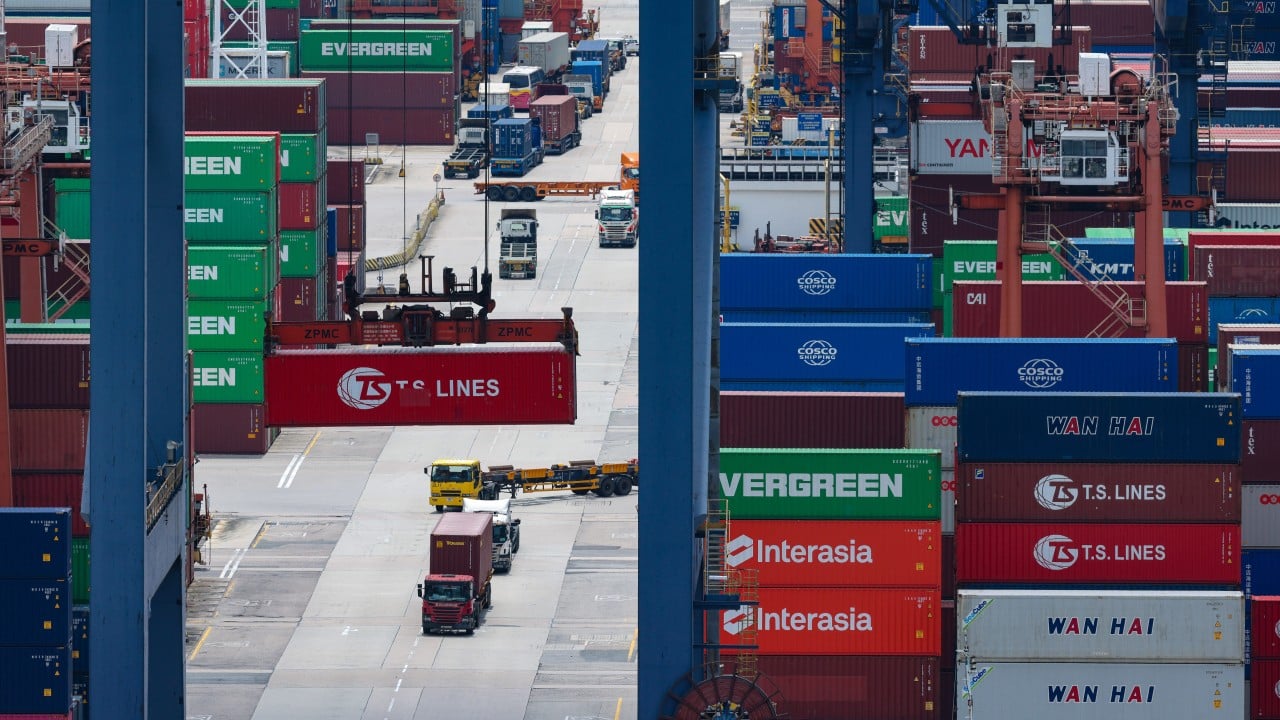
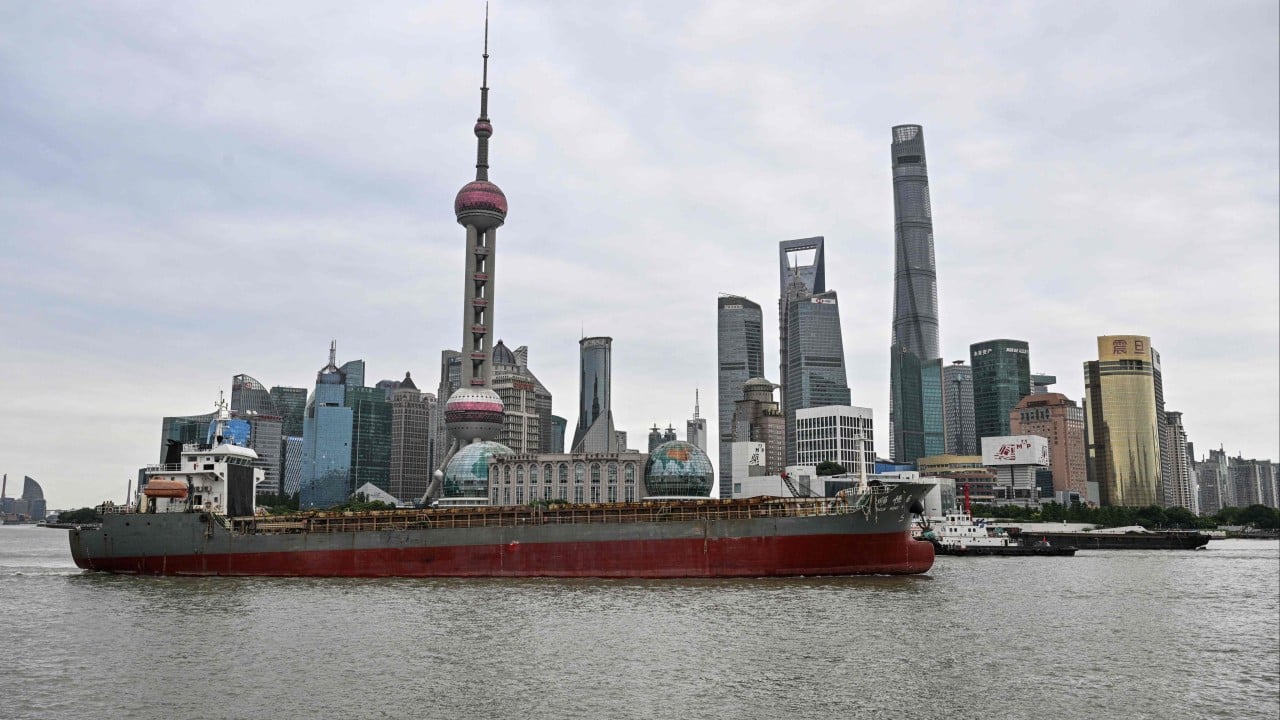
The core misconception stems from confusing real economic activity with financial market power. China dominates global manufacturing, producing staggering shares of the world's steel, electronics, and green transition technology. If the global economy were judged strictly by physical tons of output, freight movement, and infrastructure construction, Beijing would hold an undisputed lead.
Financial markets, however, trade in risk, trust, and future claims on wealth rather than physical widgets. Wall Street acts as the global pricing mechanism for commodities, corporate earnings, and sovereign risk. When a copper mine in South America or a shipping lane in the Mediterranean experiences disruption, the financial futures contracts settling those risks are anchored to Western exchanges.
The Fragility Beneath the Surface
None of this implies that American financial dominance is immune to self-inflicted decay. Chronic fiscal indiscipline, recurring debt-ceiling brinkmanship, and the weaponization of sanctions risk eroding the foundational trust upon which dollar supremacy rests. When reserve managers observe sovereign debt expanding past sustainable thresholds, they quietly diversify their holdings into gold and alternative assets.
Furthermore, China’s state-directed credit model has successfully funded decades of infrastructure and industrial expansion, but it has also left a legacy of localized debt overhangs and subdued household consumption. Rather than attempting to copy Wall Street's chaotic open markets, Beijing has pivoted toward specialized domestic exchanges focused on high-tech manufacturing and strategic supply chain resilience. This reflects a strategic retreat from the ambition of displacing the dollar, prioritizing national industrial security over global financial integration instead.
The upper hand in financial markets does not belong to the nation that builds the most factories. It belongs to the system that underwrites global trust, absorbs global savings, and clears transactions when panic grips the world. On that scoreboard, the disparity remains vast.