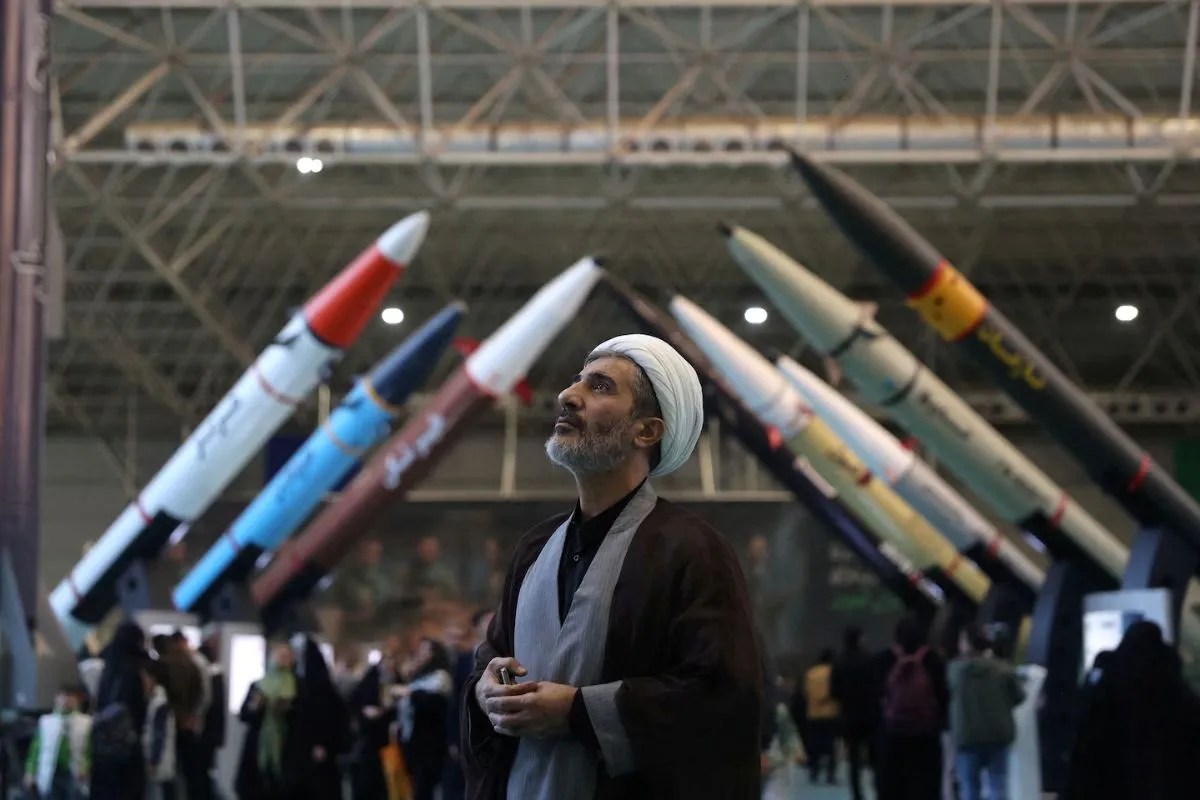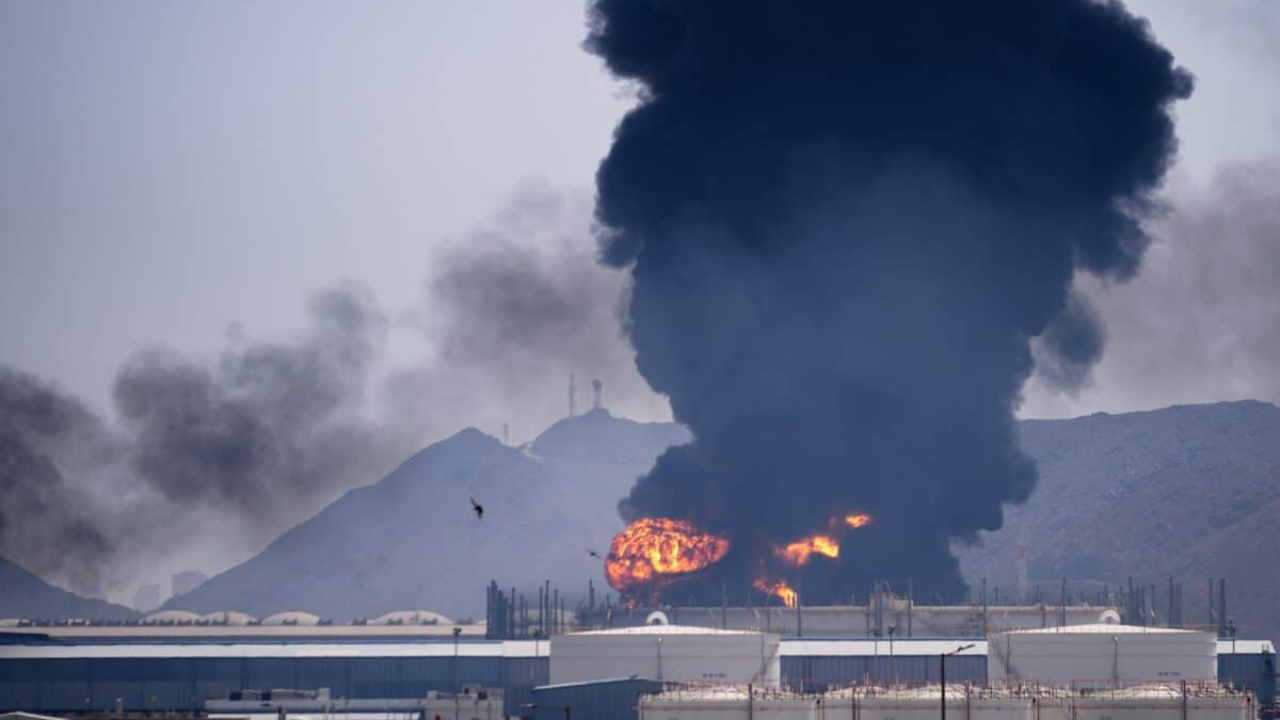
The media is panicking over a "fragile ceasefire" because missiles are still flying between US assets and Iranian proxies. The talking heads on cable news are wringing their hands, claiming the diplomatic framework is on the verge of collapse. They are looking at the smoke and missing the entire engine.
They want you to believe that a ceasefire means absolute quiet. It does not. In modern warfare, a ceasefire is not peace. It is an optimized, high-stakes regulatory framework.
When the US and Iran trade tactical blows beneath a certain threshold, the system isn't failing. It is calibrating.
The lazy consensus dominating current headlines views every kinetic exchange as a failure of diplomacy. This view is naive, outdated, and dangerously wrong. Having spent years analyzing escalation management and regional security architectures, I can tell you that the spreadsheet warriors who draft these agreements know exactly what they are doing. They built a pressure valve. To expect absolute silence in a proxy conflict is to misunderstand the fundamental physics of geopolitics.
The Illusion of the Flawless Ceasefire
Mainstream coverage treats ceasefires like a light switch. On or off. Peace or war.
This binary thinking is a luxury for spectators. In reality, modern diplomatic agreements function more like a thermostat. They are designed to manage heat, not eliminate it.
When an Iranian-backed militia launches a drone at a US outpost, and a US drone strikes a command node in response, the casual observer cries that the deal is dead. In reality, both sides are engaged in a precise, non-verbal negotiation. They are testing the boundaries of the new status quo, mapping out the acceptable parameters of violence.
Consider the mechanics of the current friction. The formal agreement exists to prevent catastrophic, state-level mobilization. It stops the tanks from rolling across borders. It stops the massive, unannounced ballistic missile salvos targeting major population centers.
What it does not stop, and was never intended to stop, is the localized friction that allows both regimes to maintain internal legitimacy.
- For Tehran: Total quiet looks like capitulation to Western imperialism. They need the smoke to satisfy hardliners.
- For Washington: Total inaction looks like weakness. They need the counter-strikes to maintain deterrence and satisfy domestic political critics.
- For the Region: The controlled exchange of fire acts as a kinetic communication channel.
If you eliminate the minor strikes, you don't get peace. You get a buildup of geopolitical pressure that eventually explodes into a total regional war. The missiles flying right now are not breaking the ceasefire; they are paying the tax required to keep it alive.
Dismantling the People Also Ask Premise
Look at the questions flooding search engines right now. The public is asking the wrong things because they are being fed the wrong narrative.
"Why can't the UN enforce a total ceasefire?"
This question assumes that international bodies possess the leverage to overwrite the core survival instincts of sovereign states. The UN cannot enforce a total ceasefire because neither Washington nor Tehran wants one. They want a managed ceasefire. True enforcement would require a deployment of force that no major power is willing to commit or tolerate. The current arrangement relies on self-enforcement through mutual vulnerability, which is far more reliable than a blue-helmeted observer force.
"Does Iran control all the militias firing missiles?"
The short answer is no, and assuming they do is a critical analytical error. The relationship between Tehran and its network is not a corporate hierarchy; it is a franchise model. While Iran provides the hardware and the funding, local commanders have their own domestic agendas, grievances, and timelines. A missile strike from a localized group is often a bid for local relevance or a reaction to a provincial dispute, not a direct order from the Islamic Revolutionary Guard Corps. Treating every rocket as a direct dictate from the Supreme Leader leads to disproportionate responses that actually risk breaking the broader diplomatic framework.
"Is the US losing deterrence by not launching a full-scale retaliation?"
This is the favorite talking point of armchair generals. They argue that anything short of flattening a regime's command structure shows weakness.
The reality is the exact opposite. Proportionate, measured retaliation demonstrates immense confidence. It signals to the adversary that you are not panicked, that you see their move, and that you are choosing to keep the conflict contained on your terms.
Overreacting to a minor drone strike by launching an asymmetric campaign is the fastest way to surrender control of the escalation ladder.
The Escalation Ladder and the Art of the Micro-Strike
To understand why this friction is stable, we have to look at the escalation ladder, a concept pioneered by strategic theorist Herman Kahn. In a classic confrontation, there are dozens of rungs between a diplomatic protest and a nuclear exchange.
[ Full-Scale Regional War ]
          ▲
          │  ◄-- The Red Line (Both sides avoid this)
          ▼
[ Managed Kinetic Friction ]  ◄-- Current Status Quo (Stable)
          ▲
          │
          ▼
[ Total Absolute Peace ]      ◄-- Diplomatic Fantasy
The current US-Iran dynamic is operating entirely within a specific, controlled zone on this ladder. Let's look at the hard data of recent engagements. The vast majority of these missile and drone strikes result in minimal infrastructure damage and zero casualties.
This is not accidental. It takes incredible technological precision to shoot at someone just enough to make a point, but not enough to kill them and force a war.
Imagine a scenario where a military commander receives coordinates for an enemy warehouse. They don't use a bunker-buster to level the entire complex. They use a low-yield kinetic warhead to take out a single radar dish on the roof at 3:00 AM when the building is empty.
That isn't an act of war. It is a memo written in high explosives.
The danger of my contrarian view is obvious: miscalculation. The margins are razor-thin. A guidance system malfunction, a piece of bad intelligence, or a soldier being in the wrong place at the wrong time can turn a performative micro-strike into a mass-casualty event that triggers the real war.
But acknowledging that risk does not mean we should pretend the current strikes are a sign of systemic collapse. They are the cost of avoiding the alternative.
Stop Looking for Peace Agreements Start Reading the Logistics
If you want to know if a ceasefire is actually failing, stop watching the missile intercept videos on social media. They are theater. Instead, watch the supply lines and the insurance markets.
When a treaty is genuinely unraveling, the indicators are structural, not superficial.
| Indicator | Performative Friction (Current State) | Genuine Systemic Collapse |
|---|---|---|
| Maritime Insurance | Rates fluctuate within predictable bands for high-risk zones. | Underwriters pull coverage entirely, halting commercial shipping. |
| Troop Movements | Rotational deployments and defensive fortification upgrades. | Logistics hubs shift toward offensive staging and ammunition stockpiling. |
| Diplomatic Channels | Backchannel communications via Swiss or Omani intermediaries remain active. | Total silence; expulsion of remaining diplomatic staff in third-party countries. |
| Target Selection | Remote outposts, radar installations, empty supply depots. | High-value leadership targets, economic infrastructure, major ports. |
I have watched organizations burn through billions of dollars hedging against imminent wars that never happened because they relied on superficial news reports rather than structural indicators. Right now, commercial flights are still navigating the peripheries of these zones. Global oil markets are pricing in the tension as a minor premium, not a systemic shock. The smart money knows what the pundits do not: the noise is part of the design.
The media needs the narrative of an impending collapse because stability doesn't generate clicks. A headline stating that two adversarial nations are successfully managing a controlled level of violence through calculated missile strikes doesn't drive engagement. "Fragile Ceasefire on the Brink of Collapse" does.
Stop waiting for the missiles to stop flying. They won't.
As long as the fundamental geopolitical rivalries between Washington and Tehran remain unresolved, violence will remain the primary language of their diplomacy. The current framework hasn't failed because it hasn't produced a utopian peace. It has succeeded because it has confined an existential regional conflict to a series of predictable, manageable, and localized explosions.
Accept the noise. Watch the logistics. Ignore the panic.