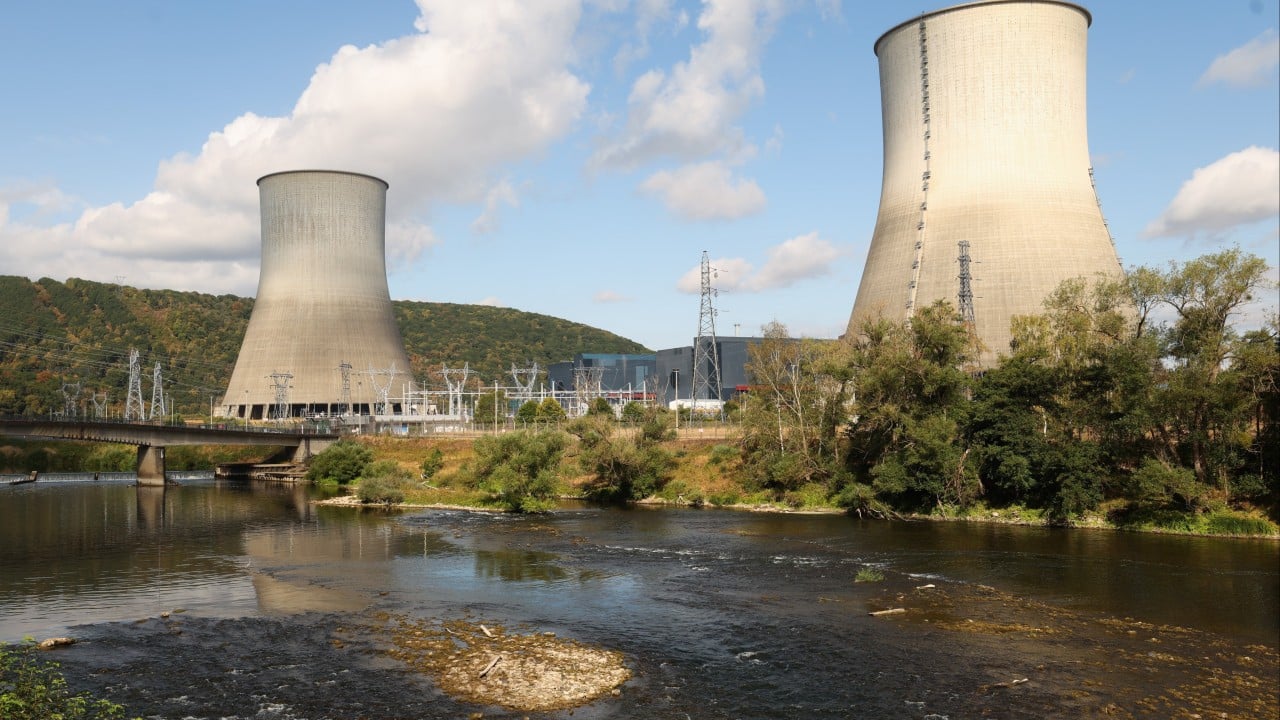
Climate change is breaking weather records across the globe, yet China’s massive atomic energy buildout isn't slowing down. If you look at headlines about record-breaking summer heatwaves, dry rivers, and stressed power grids, you might wonder how thermal power stations are supposed to survive. After all, nuclear reactors need massive amounts of cooling water. When rivers dry up or warm past safety thresholds, energy production usually takes a hit.
China's nuclear sector is built differently. Planners aren't backing off their aggressive expansion targets. They're doubling down. For an alternative perspective, see: this related article.
Extreme weather creates chaos for energy infrastructure. Last year, severe droughts across parts of Asia and Europe forced nuclear plants to dial back output because the rivers supplying their cooling systems were too warm or too low. Critics love to point at these events as proof that large-scale atomic projects are too rigid for a destabilized climate. They argue that building more gigawatts of nuclear capacity is a risky bet when water resources are shrinking.
That argument misses how modern atomic engineering actually operates in high-risk zones. Further reporting on this trend has been provided by ZDNet.
The Reality of Water Security in Coastal Reactors
Most of China’s operating reactors and new construction sites sit right on the coast. You don't build massive atomic stations inland if you can avoid it, and Beijing learned that lesson early. Coastal sites tap into an infinite cooling reservoir: the ocean.
River-dependent plants face severe seasonal vulnerabilities during droughts. Coastal facilities deal with different challenges, like rising sea levels, typhoons, and storm surges. Chinese regulators enforce strict elevation standards and sea-wall protections for every coastal unit currently under construction.
When you examine the geographic distribution of China's pipeline, the strategy becomes obvious. Inland projects face strict scrutiny and limited approvals. The vast majority of new builds hug the eastern and southern seaboards.
Ocean cooling bypasses the primary bottleneck that cripples inland stations during heatwaves. Seawater temperature fluctuations matter, but the thermal mass of the ocean absorbs heat far better than a shallow, shrinking riverbed.
Engineering for Extremes
Engineers don't design modern reactors to survive average weather anymore. They design them for worst-case environmental scenarios.
Passive safety systems dominate newer third-generation designs like the Hualong One. These systems rely on natural physical laws like gravity, natural circulation, and evaporation rather than active electrical pumps to cool the core during an emergency. If external power fails during a severe storm or heatwave grid collapse, the reactor can cool itself for days without human intervention or backup diesel generators.
Extreme weather also brings extreme winds. Typhoon resilience is a mandatory baseline requirement for any site along the Taiwan Strait or the South China Sea. Containment domes use thick, double-walled reinforced concrete designed to withstand direct hits from heavy commercial aircraft and category-five hurricane-force winds.
Projections show that climate anomalies will intensify through the next decade. Operators know this. Stress tests performed by safety authorities explicitly model extreme droughts, torrential flooding, and maximum recorded storm surges.
Power Demand Trumps Climate Risk
Why take the risk at all? The answer is simple math. China needs electricity, and lots of it.
Wind and solar are growing at breathtaking speeds, but they are intermittent. When the sun goes down and the wind stops blowing during a freezing winter night or a sweltering summer afternoon, the grid needs baseload power. Coal still fills that gap today, but Beijing wants to phase out coal dependence to meet strict carbon neutrality commitments.
Hydroelectric power is also losing its reliability. Major river basins experience severe volatility, swinging between catastrophic floods and paralyzing droughts within months. Relying solely on wind, solar, and hydro leaves the grid dangerously exposed to weather extremes.
Nuclear energy provides steady, uninterrupted electricity regardless of whether the wind is blowing or the sun is shining. It produces zero direct carbon emissions during operation. For a country powering industrial output on a massive scale, that reliability is non-negotiable.
The Supply Chain Advantage
Building nuclear plants is notoriously expensive and slow almost everywhere else in the world. Look at projects in Europe or North America, where construction timelines stretch past a decade and budgets blow past original estimates by billions of dollars.
China operates on an entirely different timeline.
Standardized designs allow supply chains to mass-produce critical components locally. Specialized heavy forgings, reactor pressure vessels, and control systems come from domestic factories rather than bottlenecked international suppliers. This vertical integration cuts construction times down to roughly five to six years per unit.
When you can build reactors efficiently, the financial pressure of unexpected climate adaptations drops significantly. Planners can factor advanced weather-hardening measures into the initial design phase without blowing up the entire budget.
What This Means for Global Energy Markets
The expansion of China's atomic fleet offers a clear preview of how major economies will handle baseload power in a warming world. It proves that energy security and climate goals can merge, even when the environment turns hostile.
If you are tracking global energy trends, don't expect climate anomalies to pump the brakes on atomic growth. Expect the opposite. Severe weather highlights the fragility of traditional grids, which pushes policymakers to invest even harder in resilient, high-density power sources.
Keep an eye on modular reactor developments and inland closed-loop cooling technologies over the next few years. As those systems mature, even water-scarce regions will find ways to secure clean, continuous baseload power without begging the weather for mercy.