The race to establish a permanent human footprint on the lunar south pole isn't a symbolic flag-planting exercise anymore. It's a high-stakes geopolitical scramble for territory, water-ice resources, and long-term deep-space dominance. If you've been following space policy over the last year, you know the narrative has shifted from friendly scientific cooperation to an intense race against time.
China's space agency has steadily advanced its timeline with concrete plans to land astronauts on the lunar surface before 2030. Beijing's strategy relies on a disciplined, heavily funded infrastructure push using heavy-lift Long March-10 rockets. Meanwhile, NASA is aggressively overhauling its Artemis program to protect American interests and secure prime real estate near the moon's water-rich polar craters.
Why the Lunar South Pole Matters So Much
Everyone wants the south pole for one primary reason: water-ice.
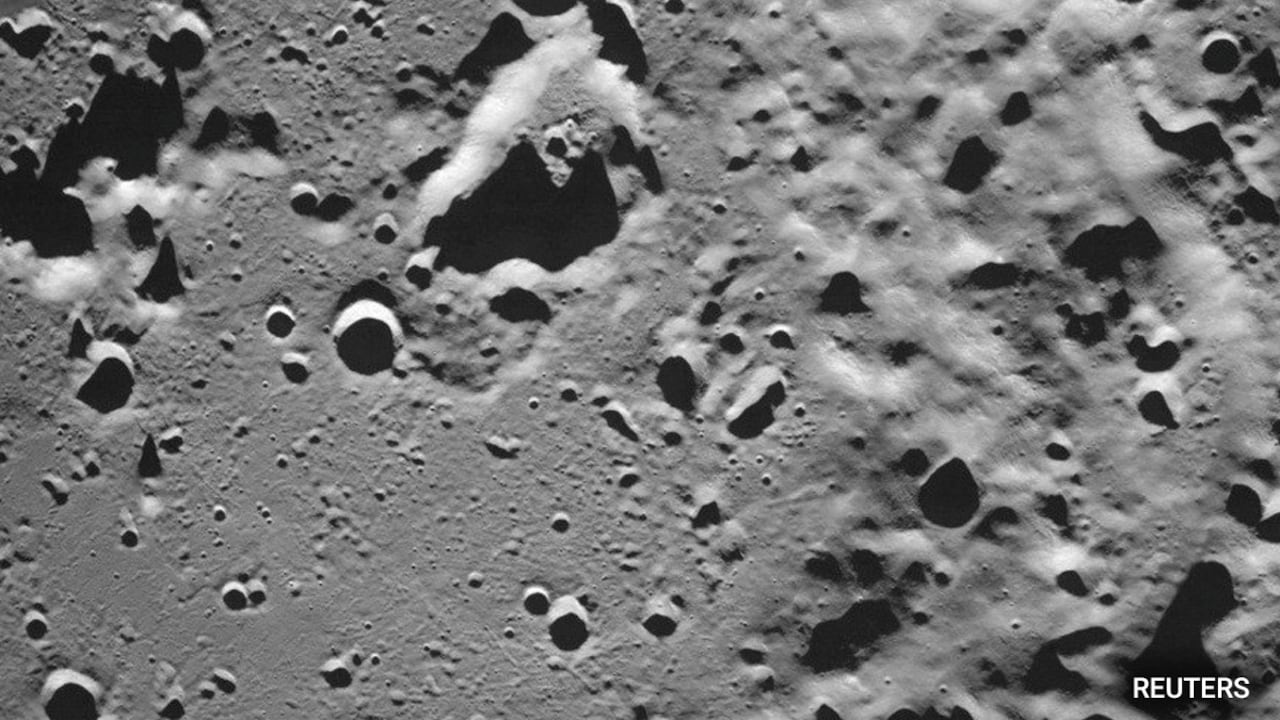
The craters near the lunar poles remain in permanent shadow, trapping ancient ice deposits. This ice isn't just a scientific curiosity. It's survival gear. Water can be filtered for astronauts to drink, split into oxygen to breathe, and broken down into hydrogen and oxygen to manufacture rocket fuel on-site.
Whoever controls these prime polar regions effectively controls the gas station of the solar system. Setting up a base there gives any nation a massive strategic advantage for future crewed missions to Mars and beyond. That's why NASA leadership has repeatedly warned that the United States cannot afford to get locked out of these high-value zones by rival space programs.
Inside NASA's $10 Billion Course Correction
To keep pace with Beijing, NASA recently unleashed an enormous procurement overhaul. The agency unveiled up to $10 billion in new commercial cargo and lander contracts, completely reshaping how it builds lunar infrastructure.
Instead of relying solely on traditional, slow-moving bureaucratic development cycles, NASA is leaning hard into commercial partnerships. Companies like SpaceX, Blue Origin, Firefly Aerospace, and Intuitive Machines are now racing to deliver everything from heavy cargo landers to nuclear-powered rovers like the proposed PROMISE vehicle.
NASA's updated Artemis schedule introduces crucial low-Earth orbit test missions to vet commercial human landing systems before putting astronauts on a trajectory to the moon. By cutting hardware processing timelines by nearly half and encouraging a broad field of private competitors, the agency is attempting to compress decades of traditional aerospace timelines into a few short years.
The Commercial Bottlenecks Threatening the Timeline
Despite the billions being pumped into the system, major hurdles remain. The entire U.S. strategy hinges on commercial readiness. Developing reliable human-rated lunar landers, next-generation spacesuits, and life-support architecture is notoriously difficult.
If commercial partners miss their development windows, NASA's targeted 2028 landing timeline slips. China, on the other hand, operates with a centralized state apparatus capable of maintaining rigid schedules without commercial friction or shifting political winds. That institutional agility gives Beijing a distinct edge in consistency, even if American commercial innovation moves faster when things go right.
What Happens Next in Deep Space
The next twenty-four months will determine who dictates the rules of engagement on the lunar surface. As uncrewed rehearsal missions ramp up and commercial landers undergo rigorous testing in Earth orbit, the margin for error has vanished.
The new space race is real, it's expensive, and the outcome will shape geopolitical power dynamics for generations. Keep your eyes on commercial flight readiness milestones over the next year because they will signal whether American infrastructure can reach the pole in time.
NASA's Moon Race With China Hinges on U.S. Commercial Readiness
This analysis provides a comprehensive breakdown of the technical, commercial, and geopolitical pressures driving NASA's race against China for lunar south pole supremacy.