Selling Mexican-inspired food back to Mexico sounds like a punchline. Internet commentators are already having a field day, comparing Chipotle’s move to Pizza Hut opening a branch in Naples or Domino's trying to teach Italians about crust.
But don't laugh just yet. Meanwhile, you can read related events here: Why Jamie Dimon Can't Shake the Ghost of Jeffrey Epstein.
Chipotle Mexican Grill’s decision to open its very first Mexican restaurant on July 16, 2026, in San Pedro Garza García, Nuevo León, is actually a calculated business play. It is not a foolhardy attempt to convince locals that Americanized burritos are superior to authentic street tacos. It's about capturing a specific, affluent demographic that values consistency, speed, and premium fast-casual dining.
The Battle of San Pedro Garza García
To understand why this move might actually work, you have to look at where Chipotle is setting up shop. To explore the complete picture, check out the recent analysis by Harvard Business Review.
They didn't choose a historic plaza in Oaxaca or a bustling street corner in Guadalajara. Instead, they chose San Pedro Garza García, part of the Monterrey metropolitan area. It's the wealthiest municipality in Latin America. The area is a massive business hub packed with multinational offices, high-income families, and consumers who are highly familiar with American brand culture.
Many residents in Monterrey frequently travel to Texas. They know exactly what Chipotle is. They don't view a burrito bowl as a replacement for traditional Mexican food; they view it as a convenient, reliable lunch option.
Chipotle is partnering with Alsea, the restaurant operating giant that already manages heavy hitters like Starbucks, Domino's, and Chili’s across Latin America. Alsea knows how to scale brands in this region. They aren't guessing what locals want. They are utilizing a playbook they have refined over decades.
The Taco Bell Ghost
The immediate skepticism surrounding this launch stems from historical failures. Most notably, Taco Bell’s disastrous attempts to enter Mexico.
Taco Bell tried twice—once in the 1990s and again in 2007. They famously rebranded their items to appeal to locals, even calling their ground beef tacos "tacostadas" to avoid insulting local taco culture. It didn't work. Mexican consumers rejected the heavily processed, hard-shell Americanized tacos.
Chipotle is a different beast entirely.
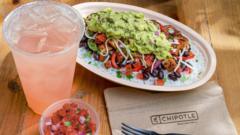
- No fake cheese or hard shells: Chipotle’s menu focuses on whole ingredients, grilled meats, and fresh guacamole. It is inherently closer to real Mexican ingredients than Taco Bell's processed cheese sauce.
- The "Clean" Eating Angle: Modern consumers in Mexico's urban hubs are increasingly health-conscious. Chipotle’s focus on freshly prepared, customizable meals without artificial colors or preservatives appeals directly to this crowd.
- A Different Dining Occasion: You don't go to Chipotle for a late-night street food experience. You go for a clean, quick, reliable lunch during a busy workday.
Chipotle CEO Scott Boatwright noted that the brand is entering the market with "deep respect for the country's culinary heritage". They aren't trying to colonize the taco; they are offering a highly organized, customizable assembly line format that is incredibly efficient for office workers.
The Financial Stakes for CMG
This isn't just a quirky marketing stunt. It is a critical piece of Chipotle’s long-term international growth strategy.
While Chipotle has over 4,100 restaurants globally, the vast majority sit comfortably within the US and Canada. Their international footprint outside North America is surprisingly small—just over 100 locations spread across the UK, France, Germany, and a few franchise agreements in the Middle East.
With a target of reaching 7,000 locations in the US and Canada, the brand needs new avenues to sustain its premium valuation.
The partnership with Alsea is a multi-phase roll-out. After testing the waters with the San Pedro Garza García location, they plan to open additional locations in Nuevo León later in 2026, before expanding into the massive Mexico City market in 2027.
What to Watch Next
If you want to track whether this experiment succeeds, keep your eyes on two specific indicators over the next twelve months:
- Local Ingredient Sourcing: Securing high-quality avocados, cilantro, and beef locally in Mexico will test Chipotle's supply chain integration.
- The Price Point: If Chipotle prices itself as an expensive luxury compared to local fast-casual competitors, it will limit its appeal to a very narrow elite.
It is easy to mock an American corporate giant selling burritos to Mexico. But by targeting the wealthiest ZIP codes, leveraging Alsea's massive operational infrastructure, and positioning itself as a clean lunch alternative rather than a cultural replacement, Chipotle might just pull off what Taco Bell never could.