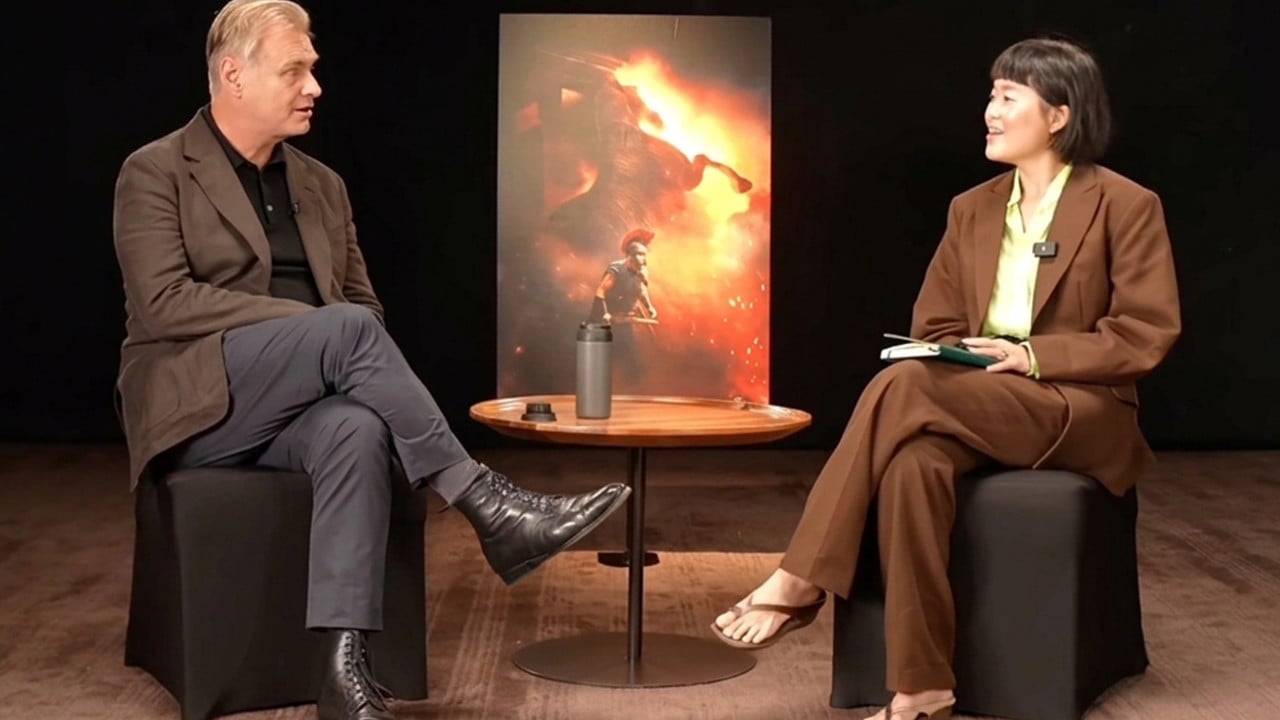
Every film outlet online is currently bowing down to a transcript. They are reading a translated conversation between Christopher Nolan and a prominent Chinese podcaster and gasping at the sheer intellectual weight of it all. Critics call it fascinating. Fans call it smart. The lazy consensus is that Nolan dropped profound truth bombs about cinema, audience intelligence, and the mechanics of storytelling that elevated him above standard Hollywood PR talking points.
It is a performance. And the film industry bought every second of it.
I have watched studios burn nine figures on vanity projects because directors convinced executives that obtuse storytelling equals high art. I have sat in focus groups where audiences lied about loving a three-hour runtime just to sound sophisticated. This interview is not a masterclass in deep thought. It is a masterclass in audience manipulation disguised as humility. Nolan did not outsmart the room; he played the exact note the room was dying to hear.
Let us dismantle the illusion.
The Myth of the Uncompromising Auteur
The core narrative of the viral interview rests on a tired trope. Nolan is painted as the last pure filmmaker standing against the tide of corporate slop, algorithm-driven IP, and short-form digital decay.
This is historically illiterate and strategically naive.
Nolan does not operate outside the studio system. He weaponizes it with surgical precision. When a director has a first-dollar gross participation deal and absolute final cut backed by a major studio, defending artistic integrity is not a brave act of rebellion. It is a baseline business requirement for a brand that prints money.
The media treats his intellectual defense of complex pacing as proof that audiences are simply too lazy when they fail to track his editing choices. That flips reality on its head. Good direction guides the eye and anchors the emotional stakes. When an editor cuts between three parallel timelines with identical color grading, that is not a triumph of non-linear architecture. That is a failure of visual hierarchy.
Imagine a scenario where a masterclass in painting requires the artist to explain the perspective lines for forty minutes after you look at the canvas. You would call it a bad painting. Yet in film, we let directors lecture us about our own cognitive shortcomings because the box office gross was high.
Why Complex is Not the Same as Deep
Audiences confuse density with depth. Nolan excels at density. He piles exposition onto dialogue, layers sound design until the score swallows the actors, and structures scripts like engineering blueprints.
Podcasters eat this up because it gives them soundbites that sound like philosophy. But let us look at the mechanics.
True depth reveals human truths through behavior. Density hides plot holes behind a wall of temporal mechanics and theoretical physics name-dropping. When characters exist primarily to deliver structural exposition about how a machine or a memory works, you do not have a profound cinematic experience. You have a very expensive clockwork toy.
The internet praises these interviews because they validate a specific form of intellectual elitism. If you understood the mechanics of the plot, you belong to the club. If you found it cold or over-engineered, you lack the refined palate required for true cinema.
That is not art appreciation. That is social gatekeeping.
The Real Reason the Interview Went Viral
PR teams do not launch global press tours to enlighten the masses. They do it to anchor a perception before the next commercial window opens.
When a director goes on an international platform and engages in a high-brow dialogue about the philosophy of time or the sanctity of the theatrical experience, two things happen simultaneously. First, the cultural legitimacy of their brand skyrockets. Second, any criticism of their narrative choices is preemptively neutralized.
If you point out that a scene is exposition-heavy or emotionally inert, the internet army arrives with the interview transcripts. They tell you that you missed the thematic subtext. They quote the director back to you like scripture.
I have seen marketing budgets spent entirely on manufacturing this exact aura of untouchability. You do not sell tickets to a blockbuster by promising a fun two hours anymore. You sell tickets by promising an intellectual workout. Nolan is the undisputed king of fitness-branding for the cinema crowd. He makes you feel smart for buying a popcorn.
How to Watch Movies Without Falling for the Trap
Stop letting directors tell you what you are supposed to feel while watching their work.
If a film requires a YouTube video essay or a translated transcript of a podcast to unlock its emotional core, the film has failed its primary medium. Cinema is visual storytelling. If the story only works when explained verbally after the credits roll, the director should have written a book instead.
Next time you see a headline praising a filmmaker's deep, intellectual dismantling of modern media, ask yourself a simple question. Are they talking about the art on the screen, or are they talking about how good it felt to listen to someone talk about art?
The answers are rarely the same.
Stop confusing a complex instruction manual with a masterpiece.