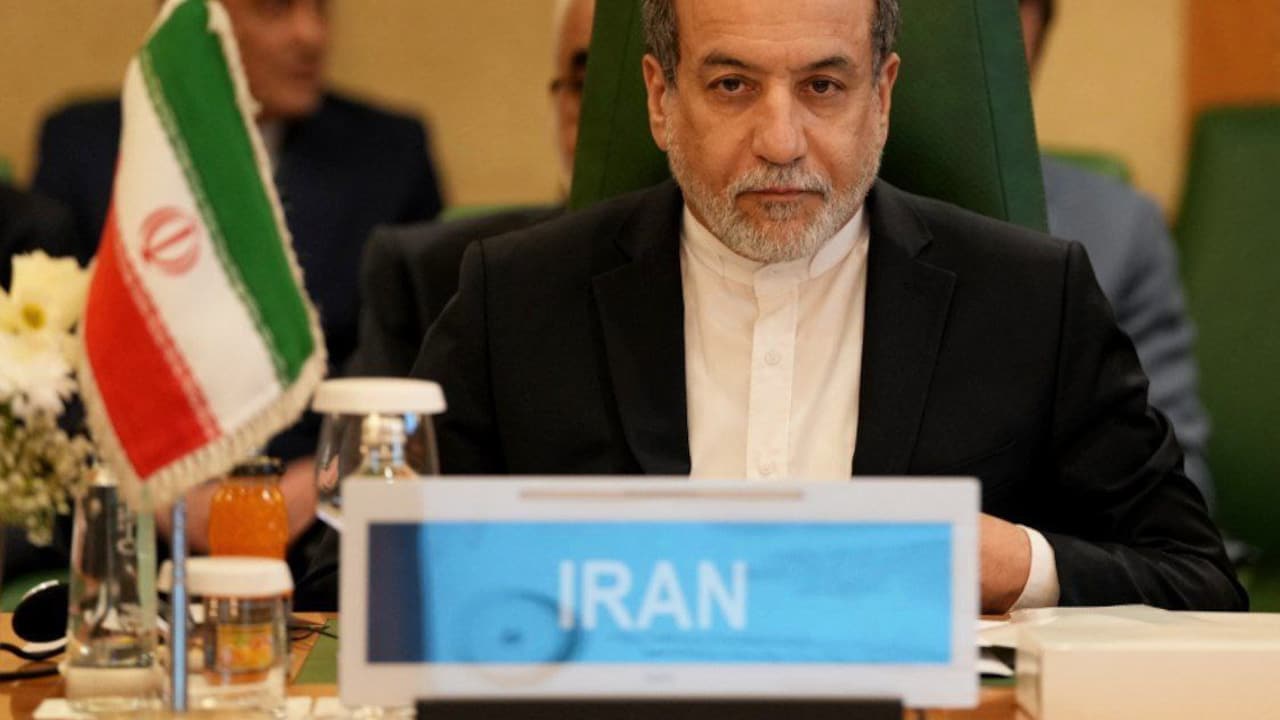
Diplomacy rarely happens under the blinding lights of a general assembly podium. More often, it occurs in the muted corridors, mid-town hotel suites, and side rooms of Manhattan during high-level international gatherings. Iranian Foreign Minister Abbas Araghchi and Qatari mediators find themselves locked in precisely these high-stakes, quiet negotiations in New York. The optics point toward routine multilateral engagements, but the underlying mechanics tell a much more urgent story about regional containment, backchannel communications, and desperate attempts to avert a broader conflagration in the Middle East.
The Architecture of Gulf Mediation
Qatar has long occupied a unique diplomatic niche. As a small peninsula with massive energy wealth, Doha long ago realized that its ultimate security does not stem from military might alone. Instead, Qatar leverages a hybrid foreign policy that maintains open dialogue channels with actors most Western capitals refuse to touch, while simultaneously hosting major military infrastructure like Al Udeid Air Base.
When regional tensions spike, Western governments and isolated states alike dial Doha's number. This intermediary role is not born of pure altruism. It is a calculated exercise in national survival and regional influence. By positioning themselves as indispensable peace brokers, Qatari officials gain protection from larger, more aggressive neighbors.
Araghchi steps into New York carrying the weight of a domestic economy crippled by sanctions and a military posture facing unprecedented deterrence challenges. Tehran needs a pressure release valve. Direct lines to Washington are fractured, toxic, and fraught with domestic political danger for hardliners in Iran. Qatar provides the necessary buffer. Messages delivered through Qatari interlocutors bypass the inflammatory rhetoric required for domestic consumption in Tehran and Washington, allowing for cold, transactional reality checks.
Navigating the Shadow War
The immediate catalyst for these New York diplomatic maneuvers extends far beyond standard bilateral pleasantries. A shadow war involving asymmetric proxies, cyber operations, and targeted kinetic strikes has steadily crept toward the threshold of total regional escalation. Neither Tehran nor Washington explicitly desires an all-out interstate war, yet both sides have repeatedly miscalculated escalation ladders over recent years.
Doha’s intervention aims to freeze this dynamic before a single miscalculation triggers a cascading military response across the Persian Gulf. For Iran, engaging Qatari mediators in a neutral Western city serves multiple objectives. It signals to international markets that Tehran remains open to diplomatic off-ramps, even as it postures aggressively on regional security issues. It also complicates efforts by hardline coalitions in other capitals to isolate the Islamic Republic completely.
Yet, the limitations of these backchannel talks are stark. Mediators can transmit messages, clarify red lines, and prevent immediate misunderstandings, but they cannot manufacture trust where decades of hostility have eroded the foundation of state-to-state relations. When Araghchi sits across from his Qatari counterparts, both sides understand the fragile boundaries of the exercise. Doha cannot force Washington to lift sweeping economic embargoes, nor can Tehran unilaterally dismantle its regional proxy networks without profound domestic upheaval.
The Economic Imperative Driving Tehran
Economic gravity remains the silent participant in every diplomatic room Araghchi enters. Years of comprehensive sanctions have degraded Iran's infrastructure, devalued its currency, and fueled persistent domestic discontent. While official pronouncements emphasize revolutionary steadfastness, the technocratic wing of the Iranian establishment understands that sustained isolation carries an intolerable cost.
Qatar understands this vulnerability intimately. Doha's own economic well-being relies heavily on the stability of the shared North Field natural gas reservoir beneath the Persian Gulf. Any major regional conflict risks catastrophic damage to energy infrastructure that would choke the Qatari economy just as surely as it would devastate Iran's shipping lanes.
This shared vulnerability creates a pragmatic alignment between Tehran and Doha. Both capitals recognize that unregulated escalation threatens regime survival and economic stability. Consequently, Qatari mediators are not merely pushing abstract concepts of peace; they are hammering out operational guardrails. These include discussions on maritime security, restraint in proxy operations, and humanitarian channels that can prevent localized clashes from spiraling into strategic disasters.
Shifting Dynamics in Western Capitals
The backdrop to these New York meetings involves a shifting political landscape in Western capitals. With elections altering diplomatic priorities and shifting the domestic tolerance for prolonged foreign entanglements, European and American policymakers face their own strategic fatigue. While public rhetoric remains fiercely aligned with traditional alliances, quiet frustration grows regarding the lack of a sustainable long-term strategy for managing Iran's nuclear and regional ambitions.
This fatigue creates an opening for middle-power diplomacy. Washington often finds it politically impossible to initiate direct talks with Tehran without appearing weak or yielding to pressure. By routing preliminary soundings through Qatar, the United States can test Iranian seriousness without political exposure. Araghchi’s presence in New York is designed to probe these openings, testing whether Western administrations are willing to trade calibrated sanctions relief for verifiable behavioral containment.
History suggests that breakthroughs born of backchannel mediation are rarely cinematic. They emerge through tedious repetition, incremental concessions, and structured ambiguity that allows all parties to claim domestic victory while quietly compromising on substance.
As the New York engagements unfold behind closed doors, the outcome will not be announced with grand treaties or historic handshakes on the North Lawn. Instead, success will be measured by what does not happen over the coming weeks. If maritime traffic continues to flow through the Strait of Hormuz, and if proxy clashes remain below the threshold of total war, the quiet work carried out in these Manhattan hotel rooms will have achieved its quiet, vital purpose.