The morning rush in a crowded suburb smells like scorched espresso and exhaust fumes. You know the ritual. A hundred idling cars crowd the shoulder of the main thoroughfare, their drivers staring blankly at glowing dashboards, calculating the exact cost of a lukewarm latte and a delayed arrival. We accept this friction as the non-negotiable tax of modern life. Traffic is just weather. Waiting is just time.
Then you hear a low, rhythmic thrum overhead. It does not sound like a passenger jet or a noisy helicopter. It sounds like an angry swarm of mechanical bees, steady and purposeful, slicing through the gray dawn.
Look up.
A small, multi-rotor aircraft drops out of the cloud cover, hovering with uncanny precision forty feet above a suburban driveway. It does not land. Instead, a reinforced tether spools downward, lowering a small, insulated paper bag directly onto the porch mat. The package unclips itself. The winch retracts with a mechanical sigh. The craft banks sharply, tilting its rotors, and vanishes back toward the horizon in a silent blur.
Total elapsed time from the kitchen tap to the front door: seven minutes.
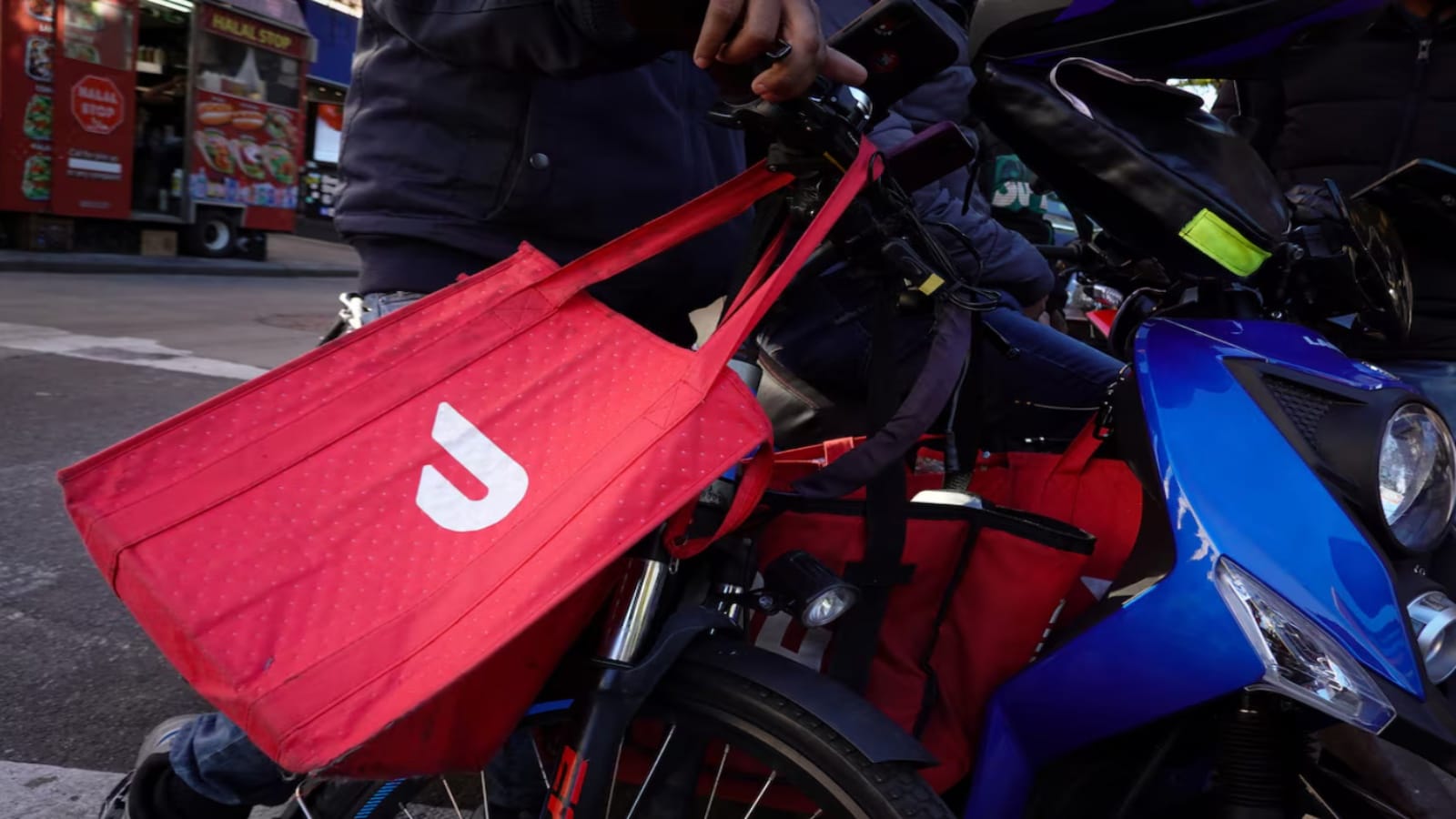
This is not a scene from a science fiction manuscript discarded in the nineteen-eighties. This is the operational reality of DoorDash stepping past the threshold of ground transportation and into the open air. Armed with federal certification from the Federal Aviation Administration, the food delivery giant has launched an in-house drone delivery program. They are no longer just software matching humans with hot meals. They are carving a third dimension into our cities.
To understand why this matters, you have to look down at the asphalt we currently take for granted.
Consider a hypothetical delivery driver named Marcus. Marcus spends his afternoons navigating suburban cul-de-sacs in a ten-year-old sedan, burning gasoline, dodging stray basketballs, and hunting for faded house numbers in the dark. Every single order he carries represents a compounding burden on aging municipal infrastructure. He hits potholes. He idles at red lights with no cross-traffic. He burns precious minutes trying to turn left across four lanes of rush-hour traffic just to deliver a burrito that weighs less than a pound.
Multiply Marcus by millions. Now you see the thermodynamic absurdity of modern logistics. We have been using two-ton steel cages powered by internal combustion engines to transport a single turkey club sandwich across a three-mile radius. It is the modern equivalent of using a freight train to carry a single envelope.
The aviation industry has known this for decades, but regulatory hurdles kept the sky locked. The Federal Aviation Administration operates on a mandate of absolute caution. For years, commercial drone flights required tortuous, case-by-case exemptions, visual observers stationed every half-mile, and strict bans on flying over human beings. The sky was an untouchable sanctuary for commercial airliners and private pilots.
That wall just cracked.
DoorDash securing FAA certification means the regulatory apparatus has finally blinked, acknowledging that the safety data from controlled suburban testing warrants a broader rollout. It means the software stack that once routed cars can now calculate wind vectors, rotor efficiency, and geofenced drop zones in real time.
Flight changes the economics of hunger.
When you remove the human driver from the final mile of a short-range delivery, the cost structure collapses. A battery-powered drone does not need health insurance. It does not get stuck behind a stalled delivery truck on a narrow residential street. It does not get lost, lose its phone signal, or ring the doorbell during a baby's naptime unless programmed to do so.
Yet, efficiency makes us uneasy. There is a quiet melancholy in watching the human element get engineered out of our daily routines. We have spent centuries building local commerce around personal interaction—the nod from the delivery person, the quick exchange of pleasantries on the porch. Trading that for a mechanical insect dropping a carton of lo mein feels cold. It forces us to confront a recurring, uncomfortable truth about technological progress: convenience is a hungry predator, and it always demands a sacrifice.
Ask yourself what happens to the neighborhood streets when the delivery vans clear out. The asphalt will be quieter. The air will taste slightly cleaner, sweetened by the transition from tailpipe emissions to lithium-ion batteries. But the curbside economy will shift inward, retreating into automated hubs and localized fulfillment centers tucked behind suburban strip malls.
The logistical architecture of our cities is shifting upward by fifty feet.
As these programs scale, the challenges will not be technological; they will be psychological and sonic. We are about to find out how much ambient buzzing our nervous systems can tolerate before we start lobbying local zoning boards for airspace quiet hours. We are about to redefine our relationship with the sky, turning a once-empty expanse into a congested highway of expedited commerce.
The next time you stand on your front porch waiting for breakfast, listen closely. The hum in the distance is not just a machine carrying your food. It is the sound of the ground losing its monopoly on how we live, eat, and connect.
The sky is open now. There is no turning back.