Some cold cases stay frozen forever. Others break open because science finally catches up to the monsters hiding in plain sight.
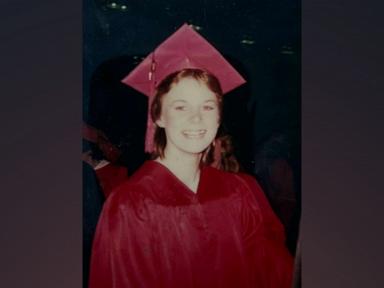
On June 29, 1986, twenty-year-old Claire Gravel went out for the evening with friends in Salem, Massachusetts. She never made it home. The next day, a highway crew clearing brush along Route 128 in Beverly found her body dumped in the woods. She had been brutally strangled with her own tank top. Her watch and jewelry were left untouched, ruling out a simple robbery. For nearly forty years, her family endured an agonizing wait for answers while investigators chased dead ends.
Then, justice finally arrived.
Why the Investigation Stalled for Decades
Back in 1986, forensic technology looked nothing like it does today. DNA profiling was in its infancy, and trace evidence relied heavily on what the naked eye could see. Police collected physical evidence from Claire’s clothing, but standard testing methods at the time failed to yield a definitive profile.
The case drifted into the dreaded gray area of policing. Detectives interviewed dozens of people, including local law enforcement officers and acquaintances, but they lacked the biological smoking gun needed to make an arrest. The trail went ice cold. Days turned into decades. Claire's parents and siblings lived with a haunting void, plagued by nightmares of her final moments.
Traditional police work alone couldn't close the gap. Investigators needed modern science to rewrite the narrative.
The Breakthrough That Changed Everything
Cold cases rarely solve themselves, but preserved physical evidence holds onto secrets indefinitely. Years after the murder, advances in DNA testing breathed new life into the stagnant files. Analysts re-examined the evidence recovered from Claire's clothes, extracting genetic profiles that had been masked or degraded decades prior.
The profile pointed straight to John Carey.
The name wasn't just a random match in a vacuum. By the time law enforcement zeroed in on him, Carey was already locked behind bars serving a sentence for an entirely separate, horrifying crime—an attempted murder by strangulation and house invasion committed in 2008. He had been living a violent life while Claire's family spent generations mourning a vibrant young college student who loved sports and dreamed of her future.
Inside the Courtroom and the Final Verdict
In early 2026, the case finally reached a Massachusetts courtroom. A jury heard the evidence linking Carey to the 1986 crime scene. On March 3, 2026, they delivered a verdict of first-degree murder.
Months later, standing before an Essex County Superior Court judge, Claire's aging father and five siblings faced the man who stole their sister's life. Her sister described decades of relentless nightmares. Her brother reminded the press that Claire was tough, feisty, and would have been proud to see her family stand up until the very end.
Because Massachusetts law mandates a life sentence without the possibility of parole for first-degree murder, Carey received his definitive punishment. He didn't speak during his sentencing, offering no closure or explanation for a senseless act that shattered a family in the summer of 1986.
While an appeal looms, the legal outcome marks a turning point. It proves that cold case detectives don't forget. Unresolved investigations rely on persistence, improved biotechnology, and families willing to keep shouting into the void until someone listens.
If you are following cold cases or supporting advocacy work for unsolved violent crimes, check local police department tip lines or support organizations like Murder Accountability Project to understand how modern forensic genealogy continues to rewrite the odds for victims and families.
Family speaks out after police solve 40-year-old cold case
This video provides additional context and features interviews with Claire Gravel's family discussing the emotional journey and resolution of the decades-old case.