The sound of a humming refrigerator is the most ignored frequency in the modern world. It is the white noise of stability, a constant vibration that signals the food is cold, the milk is fresh, and the grid is holding. But in the early hours across Ukraine, that hum didn't just fade. It snapped.
When the missiles arrived in their "massive" waves, targeting the electrical heart of the nation, the silence that followed was heavy. It was the kind of silence that has weight. Six people are dead. That is the statistic. But the story isn't in the number; it is in the sudden, jarring stillness of a kitchen in Kiev where the lights flickered twice and then surrendered to the dark. You might also find this similar coverage useful: The $2 Billion Pause and the High Stakes of Silence.
The Anatomy of a Blackout
War is often painted as a series of movements on a map, arrows pointing toward cities and jagged lines representing trenches. That is the bird’s-eye view. From the ground, war is a mechanical assault on the mundane.
Consider a woman named Olena. She isn't a soldier. She is a grandmother in a high-rise apartment on the outskirts of the capital. When the Russian strikes hit the energy infrastructure, Olena’s world shrank to the size of a flashlight beam. For her, the "strategic targeting of energy nodes" means the elevator is now a dead metal box. She lives on the twelfth floor. Her knees are seventy years old. As extensively documented in detailed articles by The New York Times, the implications are widespread.
The strategy behind these strikes is transparent and cruel. By hitting the power, you don't just stop the factories. You stop the water pumps. You stop the internet. You stop the very ability of a society to breathe in unison. The strikes were widespread, stretching from the northern reaches of Kiev to the southern ports, a coordinated effort to remind every citizen that their comfort is a fragile gift held by a tenuous wire.
The Calculated Darkness
The logistics of these attacks are precise. This wasn't a random lashing out. It was a surgical attempt to decapitate the utility grid during a window of vulnerability. Military analysts point to the use of "swarm" tactics—sending in drones to exhaust the air defense systems before the heavy cruise missiles follow to finish the job.
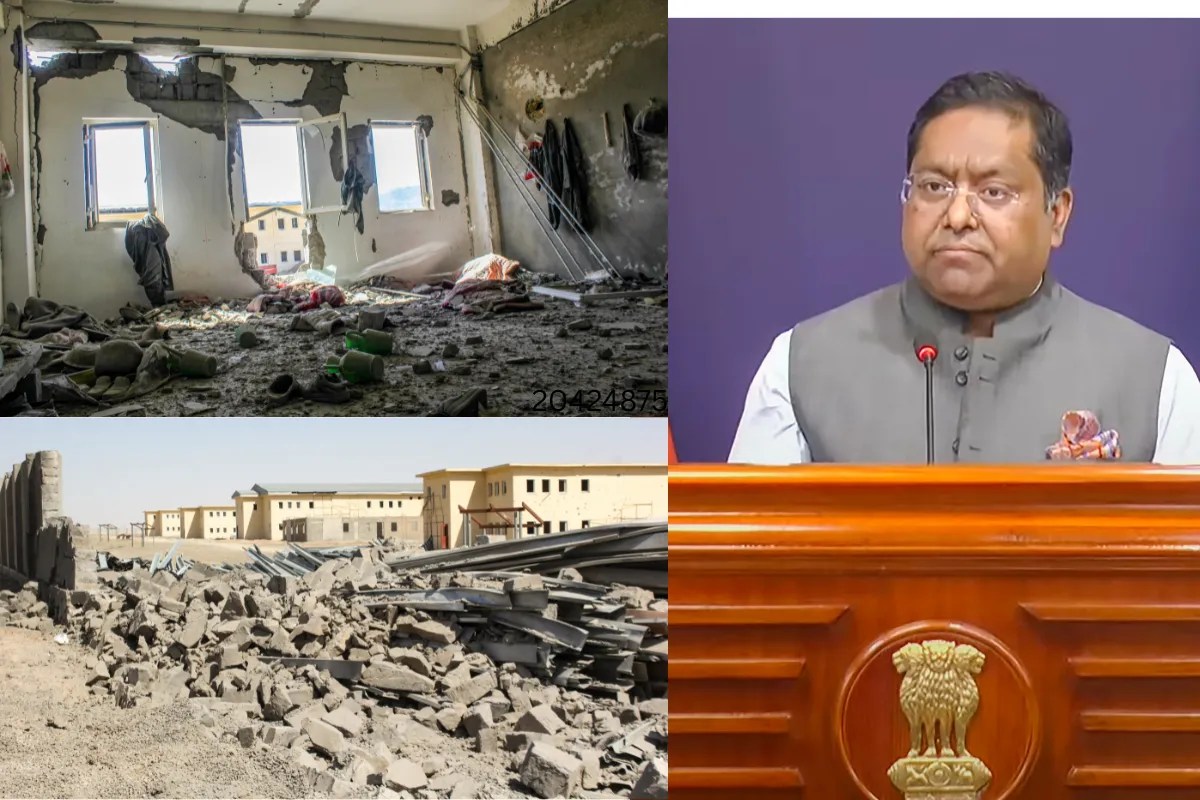
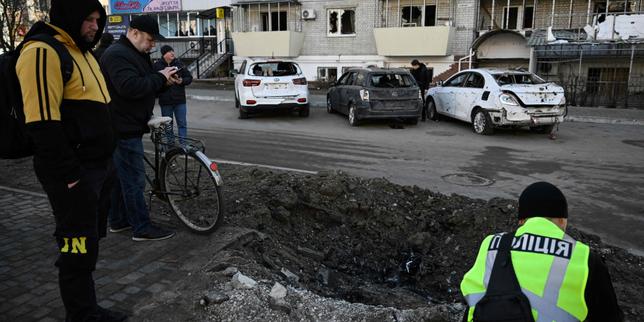
Six lives were snuffed out in the debris. In one region, a strike hit a residential area, turning a home into a crater of splintered wood and memories. We talk about "collateral damage" as if it were an accounting error. It isn't. It is a child’s shoes sitting by a door that no longer exists.
But the real target is the ghost in the machine: the spirit of a population. If you can make a mother wonder if she can boil water for her infant’s formula, you have introduced a level of terror that a front-line shell can never achieve. The darkness is a psychological weapon. It is designed to make the civilian population exhausted. Tired of the cold. Tired of the dark. Tired of the uncertainty.
The Physics of Resilience
There is a law in physics that states for every action, there is an equal and opposite reaction. In Ukraine, this isn't just a rule of motion; it is a rule of existence.
As soon as the strikes ended, the repair crews moved in. These are the unsung combatants of the energy war. They don't carry rifles. They carry pliers, rolls of copper wire, and heavy-duty insulators. They climb rusted pylons in the freezing wind while the smoke from the last explosion is still clearing.
These engineers understand a truth that the aggressor seems to miss: a grid can be rebuilt, but the collective will of a people being pushed into a corner is much harder to break. Every time a transformer is bypassed or a substation is patched back together, it is an act of defiance. It is a middle finger rendered in electricity.
The complexity of the Ukrainian grid is its greatest weakness and its most surprising strength. It is a sprawling, Soviet-era skeleton that has been grafted with modern European technology. It is a patchwork quilt of engineering. When one section goes dark, the dispatchers in hidden bunkers work frantically to reroute power, playing a high-stakes game of Tetris with the nation’s survival.
The Cost of the Invisible
The international community watches these "massive strikes" with a sense of practiced concern. We see the footage of the orange glows on the horizon and the smoke plumes rising over the Dnieper River. But the hidden cost is the erosion of the future.
When a country spends its days repairing what was built fifty years ago just to keep the heaters running, it cannot build for tomorrow. The schools stay closed because there is no light. The surgeries are delayed because the generators are low on fuel. The economic pulse of the nation slows to a crawl.
The reality of these strikes is that they are an attempt to turn Ukraine into a museum of the past—a place where the primary goal is simply to stay warm until sunrise. It is a war against time itself.
The Light That Remains
Despite the devastation, there is a strange phenomenon that happens in the blackouts. People gather.
In the "Points of Invincibility"—small tents and community centers equipped with Starlink and heat—strangers share tea and charge their phones. They talk. They don't talk about the grand geopolitics of the war or the specific model of the missiles that hit their city. They talk about their cats, their children’s grades, and the recipes they plan to make when the power comes back.
The strikes are massive, yes. The damage is significant. The loss of life is a tragedy that cannot be balanced by any political gain. But there is a limit to what a missile can destroy. It can shatter a turbine. It can melt a wire. It can take a life.
But as the sun rises over Kiev, revealing the scarred skyline and the tireless crews working on the lines, you see something the satellites can't pick up. You see the persistence of the ordinary. You see the way people carry on, walking past the craters to buy bread, checking on their neighbors, and waiting for that first, beautiful hum of the refrigerator to return.
The darkness is temporary. The cold is a season. The silence is eventually broken by the sound of a city refusing to go out.