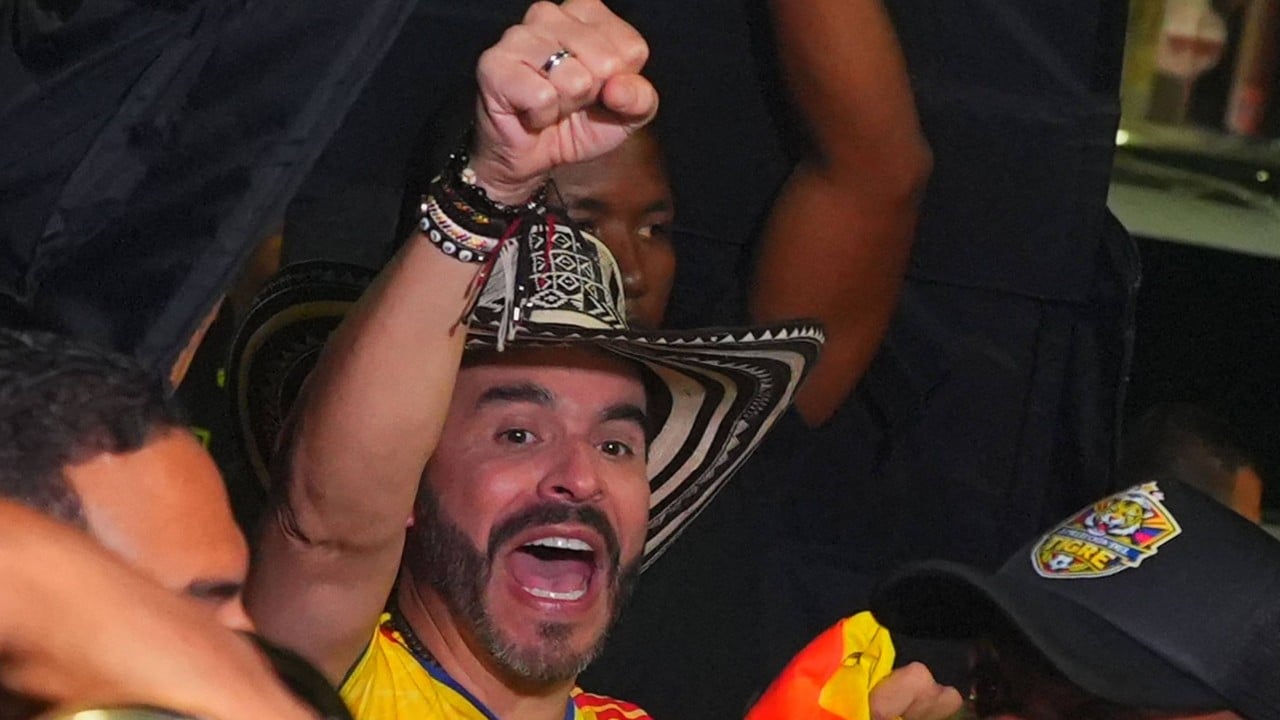
Colombia stands at a razor-sharp edge. Today, millions of citizens are lining up at polling stations across the country, casting ballots in a high-stakes presidential runoff that will decide the nation's direction for the next four years. It is a classic ideological showdown. On one side stands Abelardo de la Espriella, a brash right-wing attorney running on an aggressive law-and-order platform. On the other is Iván Cepeda, a seasoned leftist senator representing the continuation of the current progressive political project.
The atmosphere is heavy. You can feel the tension in the streets of Bogotá, Medellín, and Cali. This isn't just a regular election cycle. It's a national stress test. As Colombians vote for president right now, they aren't just choosing a leader. They are navigating deep-seated corruption fears and an intense political polarization that has split families, neighborhoods, and entire regions down the middle. The country is exhausted. People want stability, but the path to get there looks completely different depending on who you ask.
Why Colombians vote for president under a cloud of systemic distrust
Trust in public institutions has tanked to historic lows. For decades, the political system here felt like a closed club run by traditional elites. When Gustavo Petro won the presidency in 2022, it broke that traditional mold. His victory promised structural change, but his term faced massive institutional gridlock and its own share of scandals. Now, the collective anxiety has intensified. People feel stuck between a past they don't want back and a present that hasn't delivered on its grandest promises.
Corruption isn't an abstract concept in this race. It's the central theme. Voters are angry about local government kickbacks, crumbling infrastructure projects, and the persistent influence of illegal armed groups in rural territories. Right-wing voters blame the current administration for economic mismanagement and rising urban crime. Left-wing voters point to a legacy of systemic inequality and institutional corruption that has kept over a third of the population living in poverty.
This deep ideological chasm shapes how everyday citizens view the candidates. De la Espriella has capitalized on this anger perfectly. He positions himself as a political outsider, despite his long-standing ties to conservative power brokers. His message is direct and uncompromising. He promises to clean up government bureaucracy, crack down on crime with an iron fist, and protect private enterprise. For a population weary of insecurity, that rhetoric holds a powerful appeal.
Cepeda offers a fundamentally different vision. He centers his campaign on expanding social safety nets, protecting the 2016 peace agreement, and tackling rural poverty. He argues that true security is impossible without social justice. He doesn't shy away from his progressive roots, but he tries to project a more diplomatic, unifying tone than the current leadership. Yet, his opponents paint him as a radical who will drive the economy into the ground and weaken national security forces.
The polarization machine tearing the country apart
The division is absolute. There is very little room for nuance in the current political climate. Social media platforms have turned into toxic battlegrounds where disinformation spreads like wildfire. If you support one candidate, the other side labels you a fascist. If you support the alternative, you are branded a communist. This intense polarization makes governing almost impossible, regardless of who wins the final tally.
We saw this exact division play out during the first-round vote on May 31. The results were incredibly tight. De la Espriella defied early expectations and secured the top spot with 43.7% of the total vote. Cepeda finished just a step behind, capturing 40.9%. That tiny margin of 2.84 percentage points tells you everything you need to know about how evenly divided this nation truly is. It is a ideological tie that neither side seems able to break cleanly.
This polarization is deeply geographic. Look at the electoral map. De la Espriella dominates the conservative heartlands, the agricultural sectors, and the affluent urban centers where businesses demand stability and lower taxes. Cepeda finds his strength in the marginalized coastal regions, the impoverished outer suburbs of major cities, and areas hit hardest by decades of internal conflict. It's two entirely different Colombias voting on the exact same day.
The rhetoric from both campaigns has only fueled the fire. Instead of offering realistic policy proposals, the campaigns often rely on fear tactics. The right warns that a Cepeda presidency will turn Colombia into its troubled neighbor, Venezuela. The left warns that a De la Espriella victory will return the country to a dark era of state-sponsored violence and elite-driven corruption. When fear is the primary motivator, democratic dialogue breaks down completely.
Fraud claims and the fight for the centrist voter
The shadow of electoral fraud hangs over the entire voting process today. Following the first-round results, Cepeda raised serious concerns about what his campaign called atypical voting patterns at several polling stations. These accusations didn't appear out of nowhere. There is a deep, systemic skepticism regarding the private contractors hired by the National Registry Office to handle the initial vote counts.
Critics have long pointed out vulnerabilities in the electronic precount system. The process relies on local operators phoning in tally sheets from remote conflict zones, creating opportunities for human error or intentional manipulation. Earlier this year, tensions flared when allegations surfaced regarding behind-the-scenes meetings between private tech entities and conservative campaigns. While the electoral authorities insist the system is secure, the damage to public confidence is already done. International observers are out in full force today, but their presence can only do so much to soothe an anxious electorate.
With the country split down the middle, the final outcome depends entirely on two specific groups. The first is the centrist voter base left behind after candidates like Paloma Valencia and various moderate coalitions dropped out. These voters don't love Cepeda's leftist economic ideas, but they are deeply uncomfortable with De la Espriella's hardline social views and aggressive rhetoric. Whichever candidate successfully convinced these moderates that they are the safer, less radical option will likely take the presidential sash.
The second crucial factor is voter abstention. In the first round, over 42% of eligible voters stayed home. That is a massive portion of the population that feels completely unrepresented by either extreme. Historically, turnout increases by 5% to 10% during a competitive second-round runoff. Those newly mobilized voters hold the keys to the presidency. If they turn out in high numbers to reject what they see as a far-right threat, Cepeda wins. If they stay home out of sheer political exhaustion, De la Espriella's highly motivated base will carry him to the presidential palace.
What happens tomorrow when the count finishes
The immediate aftermath of tonight's results will be perilous. Given how tight the polling is, the losing side is highly unlikely to accept defeat quietly. If De la Espriella wins by a hair, we can expect immediate legal challenges and street protests from progressive social movements demanding a full recount of the software systems. If Cepeda pulls off a comeback victory, conservative sectors will cry foul and question the legitimacy of the National Registry.
Beyond the immediate political theater, the next president faces a monumental task. The economic situation is fragile. Inflation has hurt working-class families, and the national debt limits the government's ability to spend its way out of trouble. Furthermore, the new leader will inherit a deeply fragmented Congress. Neither the left-wing coalition nor the right-wing bloc holds an absolute majority. Every single piece of legislation will require grueling negotiations and messy compromises.
If you are looking for quick fixes or a sudden return to national harmony, you are going to be disappointed. Colombia's path forward is going to be messy, contentious, and painfully slow. The deep social fractures exposed by this election cycle won't heal overnight just because a new leader takes the oath of office.
Keep a close eye on the official bulletins as they roll in later tonight. Pay attention to the margins in the major urban centers like Bogotá and the voter turnout percentages in rural departments like Nariño and Chocó. Those numbers will give you an immediate indication of where the country is heading. The voting booths close at 4:00 PM local time, and the initial precount will move fast. Prepare for a long night of political maneuvering, because the real struggle for Colombia's institutional stability begins the moment the final vote is counted.