The rain over Berlin does not fall with theatrical drama. It arrives as a persistent, gray mist that coats the limestone facades of government offices and dampens the wool coats of commuters rushing through Alexanderplatz. Inside those offices, however, the air is dry and charged with the static electricity of sudden vulnerability.
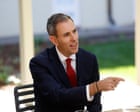
Friedrich Merz sat at his desk, staring at figures that felt less like election returns and more like an indictment. Across state votes in Mecklenburg-Western Pomerania and the capital itself, the Christian Democratic Union had absorbed blows that echoed far beyond local council chambers. In the east, the ground had simply given way beneath traditional conservatism, swallowed by the rising tide of the Alternative for Germany. In Berlin, the left had surged. For a chancellor who had promised a steady hand and economic renewal, the numbers were a cold splash of reality.
Disaster. That was the word he used publicly, refusing to soften the edges with political euphemisms.
When a leader calls their own party’s performance a disaster, the immediate expectation in modern politics is a swift exit. Suitcases packed, resignation speech drafted, a quiet retreat to a countryside estate while the vultures circle. But Merz did not move. He dug his heels into the damp soil of executive office, insisting that he would stay, fight, and force through economic restructuring whether the electorate thanked him or not.
Consider what happens when an immovable politician meets an unstoppable wave of public frustration.
On the cobbled streets outside, bakery owner Stefan Bauer wiped flour from his hands and looked at his latest electricity bill. For two years, Stefan has watched his profit margins evaporate under the weight of soaring energy costs and sluggish industrial growth. He doesn't read white papers on structural reform. He doesn't debate the fine points of federal budgets. He only knows that every month, keeping his ovens hot costs more than the month before, while politicians in Berlin talk about grand visions that never reach his storefront.
This is the invisible chasm of modern European governance. On one side stands the institutional apparatus—chancellors, ministers, and party leaders clinging to desks and timelines. On the other stands a populace exhausted by compromises that feel like losses. When voters cast ballots for fringe movements or opposing extremes, they are rarely endorsing a complete ideological shift; they are throwing heavy objects through the windows of a house they feel locked out of.
Merz understands the mathematics of this anger, even if his prescription rubs raw against public nerves. Germany's industrial engine is sputtering, weighed down by decades of deferred modernization, heavy bureaucracy, and a fractured global trade environment. The medicine he proposes—tough fiscal choices, pension overhauls, and grueling legislative fights—is inherently bitter. Nobody loves the doctor who hands them a prescription for hardship. Yet retreating now, triggering snap elections, or engaging in a chaotic internal power struggle would only deepen the paralysis.
The political class in Berlin loves a good drama. They whisper in hallways, measure the loyalty of backbenchers, and calculate the half-life of a chancellor's authority based on regional swings. Yet the deeper crisis is not about one man's tenure. It is about the fading belief that democratic institutions can solve complex, grinding problems before patience runs out entirely.
When trust in the machinery of state drops to the point where regional electorates prefer radical disruption over incremental repair, survival becomes a lonely business.
Merz remains at his desk because the alternative is an uncontrolled descent into institutional drift. Whether his stubbornness is an act of supreme courage or a miscalculation of historic proportions remains unwritten. But as the lights stay on late into the evening across the government district, casting long shadows against the wet pavement, one thing is certain. The storm outside has only just begun, and the walls are starting to show where the mortar is weak.
German Chancellor Friedrich Merz under pressure after major loss to far-right party
This short report captures the immediate political shockwave and exit poll reactions following the historic regional election losses that tested Chancellor Friedrich Merz's leadership.