The air in Delhi always carries a weight, a heavy compound of dust, exhaust, and the slow, grinding friction of twenty million lives rubbing against one another. But on that night, the weight shifted. It gathered itself into a sudden, sickening sigh of collapsing brick and buckling iron, a sound that cut through the traffic hum like a knife through canvas.
Before the sirens started wailing, before the neighborhood spilled out onto the narrow lanes in a panic of bare feet and flashlights, there was only the dust. It rose like a gray ghost, choking the street lamps, settling thick on the leaves of the neem trees. You might also find this similar article useful: Why the New Delhi BRICS Summit Matters Right Now.
Six lives were buried beneath that sudden mountain of debris. Six stories abruptly stopped mid-sentence, folded into the rubble of a four-story building in the congested alleys of the capital.
We talk about urbanization as a triumph of steel and glass, a shimmering horizon of skyscrapers and expanding metro lines. We measure progress in gigawatts and concrete poured. But progress has a shadow. It lives in the unmapped corners, the hastily added fourth floor built to accommodate a growing family, the rusted reinforcement bars hidden inside columns of substandard cement. It lives in the quiet desperation of a housing market that leaves millions scraping for a foothold, willing to gamble on walls that sweat during the monsoon. As highlighted in detailed articles by Al Jazeera, the effects are widespread.
Imagine standing on that street corner thirty minutes after the crash.
The silence immediately following a structural failure is terrifying. It is not peaceful. It is a choked, breathless void where neighbors become first responders, clawing at jagged concrete with their bare hands. Fingernails split. Palms bleed. Every slab shifted is a gamble—will it trigger a secondary collapse, or will it reveal a hand, a voice, a pocket of air?
Rescue workers arrived with heavy machinery, but machines are clumsy beasts in tight alleyways. They rely on thermal cameras and acoustic sensors, listening for the faint tap of a knuckle against drywall, the desperate rasp of oxygen-starved lungs. Hours blur into a brutal marathon of kinetic extraction. Every beam removed is an argument against gravity.
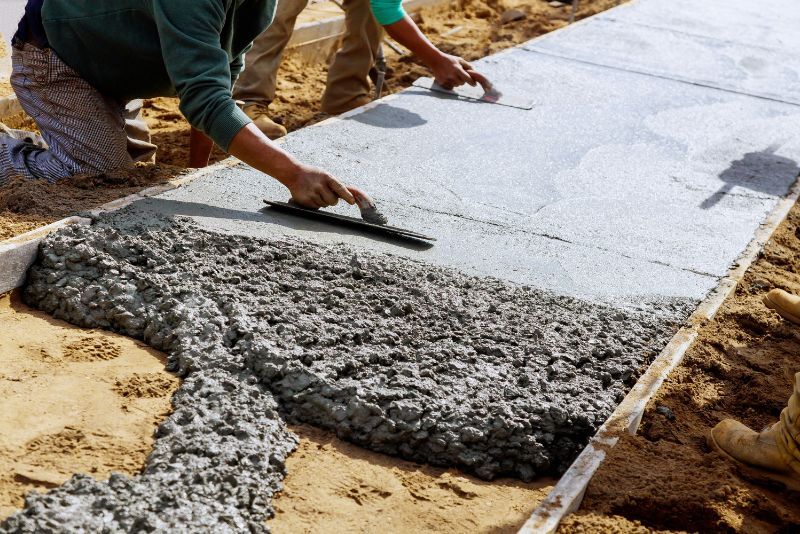
Why do these buildings fall? The physics of failure are deceptively simple, yet socially complex. Concrete is brilliant at bearing weight downward, terrible at holding together when the earth trembles or foundations shift. When builders skip the binding agents to save a few rupees, or when unauthorized vertical extensions overload decades-old foundations, the structure doesn't break all at once. It negotiates with gravity until it simply gives up.
It is easy to blame the rogue contractor, the nameless builder who cut corners in the dead of night. But pointing fingers at a single villain lets a broken system off the hook. This disaster is part of a larger, systemic vulnerability. Millions live in structures that exist in a regulatory gray zone—neither fully legal nor entirely demolished. They are tolerated because the alternative is mass homelessness, a crisis too vast for any municipal ledger to comfortably house.
Consider what happens next in the news cycle. The headlines flash for twenty-four hours. Cameras capture the anguish of weeping relatives, the grim determination of the National Disaster Response Force, the solemn pledges of politicians promising strict inquiries and safety audits. Then, the cameras pack up. The debris is cleared away. The exposed brick wall of the neighboring building is left scarred and raw, staring blankly into the empty space where a home used to be.
The inquiry report will eventually be filed, a dense stack of bureaucratic prose assigning negligence and recommending systemic overhauls. But the families of the six victims do not live in policy papers. They live in the raw, aching absence of fathers, mothers, siblings, and children who went to sleep under a roof that could not hold them.
Safety is not an abstract policy debate. It is a vertical contract. When we build upward, we enter an agreement with the earth and with each other, promising that our walls will stand, that our foundations are true, that human lives are worth more than the cost of proper steel.
The dust has long since settled over the Delhi lane. The traffic has returned to its chaotic, beautiful rhythm. But beneath the pavement and behind the freshly whitewashed walls of a thousand other aging buildings across the city, the invisible stakes remain. Every sunrise tests the invisible arithmetic of our urban ambition, asking whether we have finally learned to build spaces that protect the people who inhabit them, or whether we are simply waiting for the next silence to fall.