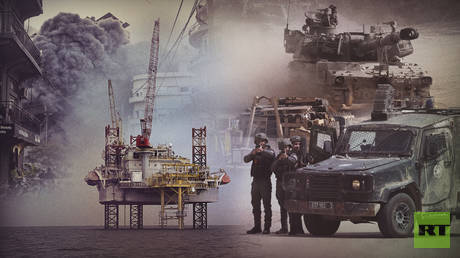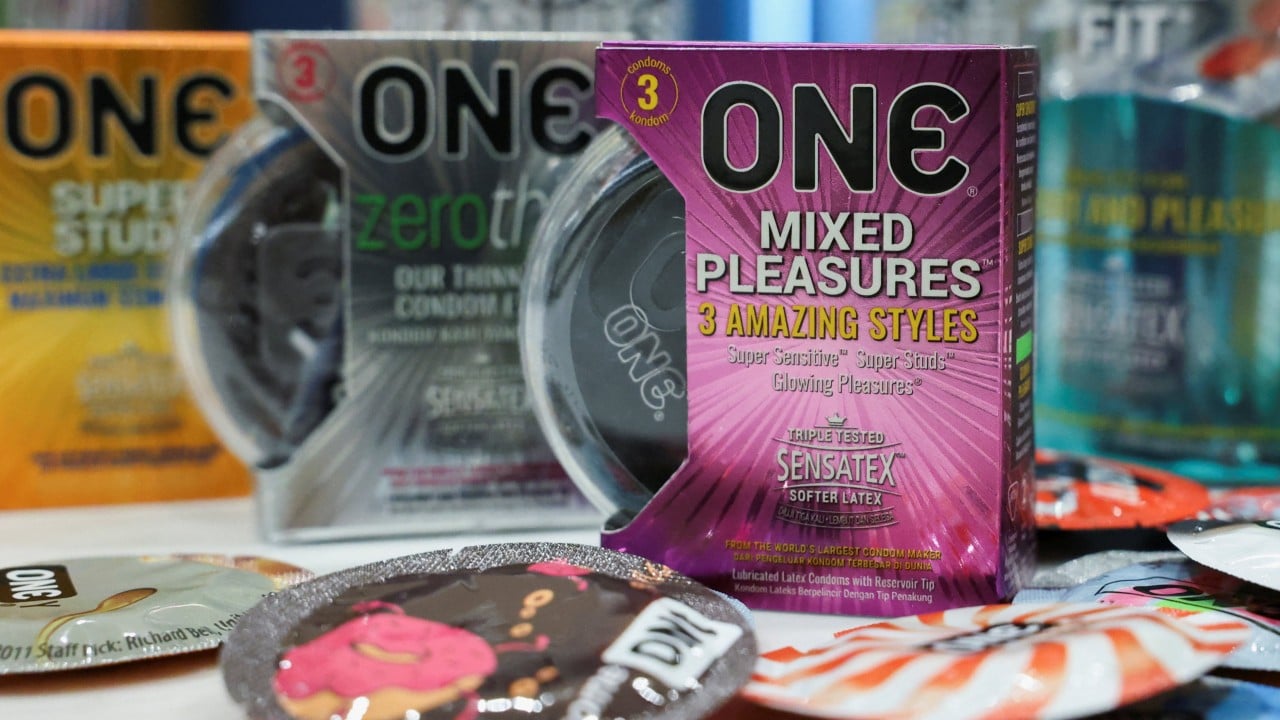
Safe sex is about to get a lot more expensive. If you think your local drugstore prices are already steep, just wait. Karex Bhd, the Malaysian giant that churns out one out of every five condoms on the planet, just signaled a massive price hike. We’re talking about a potential 30% jump. This isn't just corporate greed or a random supply chain hiccup. It’s a direct fallout from the intensifying conflict involving Iran, and it’s hitting the bedroom faster than you’d expect.
The math is simple but brutal. War in the Middle East doesn't just stay in the Middle East. It ripples through the energy markets, jacks up shipping costs, and sends the price of raw materials into the stratosphere. For a company like Karex—which produces billions of units for brands like Durex and various global health organizations—those costs can't be swallowed anymore. You’re going to feel this in your wallet. Meanwhile, you can read similar events here: Why High Gas Prices are the Best Thing for Energy Security.
The Oil Connection You Probably Missed
Most people don't associate contraceptives with oil barrels. They should. While natural rubber latex is a huge part of the equation, the manufacturing process is incredibly energy-intensive. From the machinery that dips the molds to the synthetic materials used in non-latex varieties, petroleum is the silent partner. When tensions with Iran escalate, the "war premium" on oil prices kicks in immediately.
Karex CEO Goh Miah Kiat has been vocal about this pressure. It's not just about the fuel for the factories. It’s about the chemicals. Many of the lubricants and specialized coatings that make modern condoms actually usable are derived from petrochemicals. When the feedstock costs rise, the end product follows suit. It’s a domino effect that starts with a drone strike or a closed strait and ends with you paying five bucks more at the checkout counter. To see the bigger picture, we recommend the detailed report by Harvard Business Review.
Shipping is the other nightmare. Look at a map. If you're moving goods from Southeast Asia to Europe or the Americas, the stability of the Middle East matters. Conflict leads to diverted ships. Diversion leads to longer routes. Longer routes mean more fuel and higher insurance premiums. Karex ships to over 140 countries. They can't just absorb a 30% increase in logistics costs without passing that burden along to the consumer.
Why Rubber Producers Can't Save You
You might think that since Malaysia is a rubber powerhouse, they’d be insulated. Wrong. The rubber industry has been struggling for years. Farmers are switching to palm oil because it’s easier to manage and often more profitable. This has created a tighter supply of high-quality latex.
When you layer a geopolitical crisis on top of a shrinking raw material base, you get a price explosion. Karex isn't just fighting rising energy costs; they’re fighting for the raw materials themselves. They’ve spent years trying to automate their plants to keep costs down, but labor costs are rising across Southeast Asia too. There’s no "magic button" to press to keep prices at 2023 levels. The era of cheap, disposable essentials is effectively over.
The Public Health Crisis Nobody Is Discussing
This isn't just about a few extra dollars for a pack of twelve. This is a legitimate global health risk. Large-scale buyers like the United Nations and various NGOs operate on razor-thin fixed budgets. If the price of a single unit goes up by 30%, those organizations can suddenly afford 30% fewer condoms.
That gap is where the real danger lies. We're looking at potential spikes in STIs and unplanned pregnancies in regions that are already struggling. When the "world's condom king" raises prices, the impact is felt most heavily in developing nations that rely on subsidized supplies. It’s a grim reality. Geopolitical posturing in Tehran or Washington has a direct line to maternal health outcomes in Sub-Saharan Africa.
Non Latex Alternatives Won't Help Your Budget
If you think switching to polyisoprene or polyurethane will save you money, think again. These synthetic materials are even more tied to the price of oil than natural latex is. They require complex chemical synthesis. They are specialty products. In a market where everything is getting pricier, the "premium" options are going to see the steepest climbs.
I’ve seen this pattern before in other manufacturing sectors. Companies hold out as long as they can, eating the costs to maintain market share. But there’s a breaking point. Karex reached it. When the market leader moves, the rest of the industry follows. Expect brands like Trojan and Lifestyles to adjust their pricing structures by the next quarter. They have no choice if they want to keep the lights on.
What You Should Do Right Now
Don't panic-buy, but be smart. This price hike isn't a "maybe." It's happening. If you have a preferred brand or a specific type of protection you rely on, stocking up now at current prices is just basic financial sense. These products have long shelf lives—usually three to five years—so "buying the dip" actually works here.
Stop looking for "off-brand" deals on sketchy websites to save a buck. With prices rising, the market for counterfeit or sub-standard products always grows. A 30% price hike is annoying; a failed product is a life-altering disaster. Stick to reputable retailers, but maybe buy the larger value packs instead of the three-packs. The unit price is always better.
Keep an eye on the news. If the situation in the Middle East stabilizes, shipping rates might cool down, but don't expect prices to drop back to where they were. Inflation has a way of sticking. Once a company proves the market can handle a higher price point, they rarely move it back down. This is the new baseline for 2026. Adjust your budget accordingly and move on.