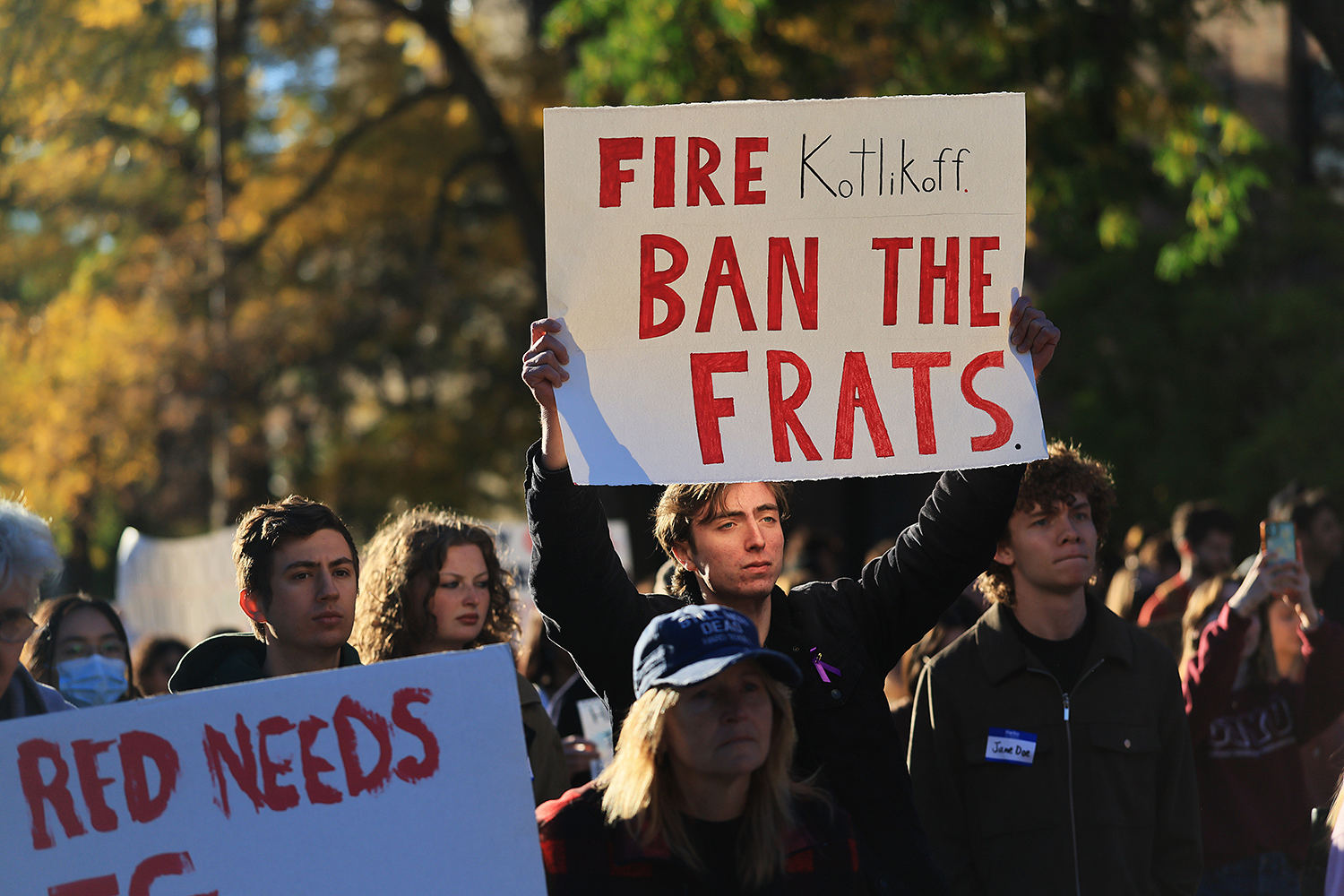
When a university's professors decide they can no longer trust the people running the show, it rarely stays quiet. Cornell University just crossed that exact threshold. The Faculty Senate voted 75-50 to pass a no-confidence resolution targeting the administration's handling of a reported 2024 sexual assault.
This isn't just bureaucratic theater. It's a loud wake-up call about how elite institutions handle institutional safety, accountability, and the messy reality of Greek life on campus. Let's break down what actually happened, why professors pushed the button, and where this leaves Cornell president Michael Kotlikoff and his administration. In other news, we also covered: The Anatomy of Cockpit Infiltration Structural Vulnerabilities in Commercial Aviation Security.
The Breaking Point Behind the Vote
The tension didn't appear overnight. It stems from a lawsuit filed by a former student alleging she was gang-raped at the Chi Phi fraternity house back in 2024. As details of the case trickled out, students and faculty grew furious over what they viewed as a institutional leadership vacuum.
Professors weren't just reacting to a single night. They were responding to a systemic pattern. When the administration faced tough questions at an October Faculty Senate meeting, the answers didn't satisfy anyone. Kotlikoff acknowledged missteps, but for many educators on campus, admitting mistakes years after the fact simply isn't enough anymore. Al Jazeera has analyzed this critical subject in great detail.
The vote itself carried clear numbers: 75 in favor, 50 against, with five abstentions. While it doesn't force an immediate firing—and notably stopped short of demanding Kotlikoff's direct resignation—it sends an unmistakable message to the Board of Trustees. The faculty feels deeply alienated by how student safety is managed behind closed doors.
Shared Governance Under Fire
Universities love to talk about "shared governance." It sounds great in brochures. In reality, it means professors, administrators, and trustees are supposed to steer the institution together. When things go sideways, that partnership shatters.
Some faculty members argued against rushing the vote. They wanted to wait for an independent investigation to wrap up before casting stones. Others felt waiting would turn them into passive bystanders while institutional credibility burned to the ground.
This split highlights a broader issue in higher education. Administrators want to manage legal liability and protect the brand. Faculty and students want moral clarity, transparency, and structural reform. When those two goals collide, trust evaporates fast.
Greek Life and the Reality of Reform
You can't talk about this crisis without looking at the social structures that enable it. Fraternities at Cornell and similar Ivy League institutions have operated under intense scrutiny for years. Yet, policy changes often feel like window dressing until a major public scandal forces a reckoning.
In response to the mounting pressure, the administration has rolled out new measures. They are expanding staff in civil rights offices, hiring dedicated victim advocates, and launching reviews into how fraternities operate. There's even a push for practical safety upgrades, like expanded late-night transportation pilots to help students get home safely.
Critics argue these moves are reactive rather than proactive. If it takes a massive faculty revolt and national headlines to secure basic advocacy resources, the baseline system is broken.
What Happens Next for Cornell
Under university guidelines, President Kotlikoff faces a window to respond in writing. But a formal written response won't fix the cultural fracture on campus.
Students are tired of demanding transparency. Faculty are tired of feeling ignored. If the Board of Trustees treats this vote as a temporary storm to weather, they are misreading the room. Rebuilding trust requires actual structural changes to how disciplinary cases are handled, how Greek organizations are policed, and how survivors are supported from day one.
The vote at Cornell is a mirror for higher education nationwide. Sweeping issues under the rug doesn't work anymore. The real test is whether leadership will use this pressure to clean house or simply wait for the news cycle to shift.
Cornell Faculty Pass No Confidence Vote in Wake of Sexual Assault Controversy
This video provides a direct, news-level breakdown of the Cornell Faculty Senate's no-confidence vote and the surrounding campus controversy.