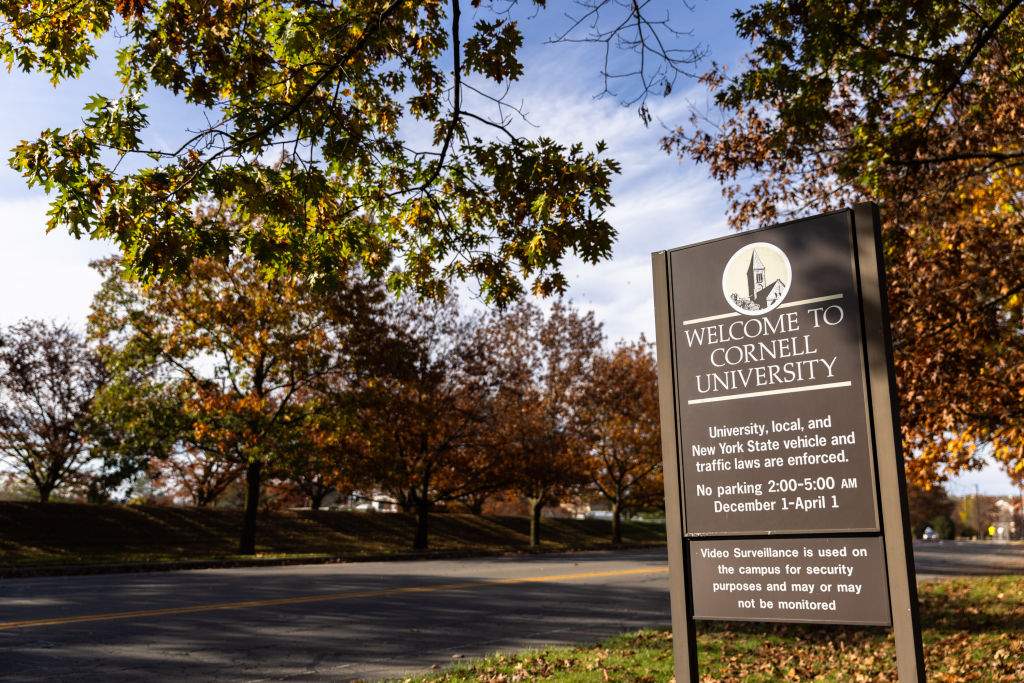
When a high-profile institution attempts to quietly bury a devastating scandal, the fallout rarely stays contained. That reality hit Tompkins County District Attorney Matthew Van Houten when public outrage and a massive civil lawsuit forced his office to reverse course and reopen a criminal probe into an alleged gang rape at Cornell University.
For months, the inner workings of elite campus disciplinary systems and local prosecutorial decisions have faced intense national scrutiny. If you're trying to understand how a case initially declined for criminal charges can suddenly explode back into the legal spotlight, you have to look past the headlines and examine the massive institutional failures that led us here.
What Actually Happened at Cornell
The controversy centers on an incident involving members of the now-defunct Chi Phi fraternity. A female student, proceeding anonymously as Jane Doe, reported to campus police that she had been sexually assaulted following a night out in late 2024.
Initial interviews conducted by the Cornell University Police Department yielded a lengthy transcript detailing harrowing claims. However, after receiving a condensed six-page summary from campus police, Tompkins County DA Van Houten declined to present the case to a grand jury, concluding that the available evidence did not establish a lack of consent under New York state law.
That decision triggered a cascading series of events. While the criminal case stalled locally, Cornell launched its own internal Title IX investigation, which ultimately resulted in student expulsions, suspensions, and the permanent barring of the fraternity chapter. But campus discipline wasn't enough for the public, or for survivors demanding accountability.
The Turning Point of the Civil Lawsuit
The dynamic shifted permanently when Jane Doe filed a sweeping civil lawsuit against Cornell University and the individuals involved. The complaint brought to light crucial evidence and group-chat records that had not been factored into the original prosecutorial assessment.
Faced with mounting public pressure, scathing media reports, and condemnation from prominent political figures like New York Governor Kathy Hochul and Representative Alexandria Ocasio-Cortez, the local prosecutor announced that his office would finally present evidence to a grand jury. Furthermore, New York Attorney General Letitia James was appointed to handle independent aspects of the legal fallout, though the defense teams for the accused students immediately launched challenges regarding neutrality.
The repercussions have crippled campus leadership. Cornell faculty members overwhelmingly passed a vote of no confidence against university leadership, pointing to systemic failures in how administrators handled reports of sexual violence. The university was forced to suspend all fraternity parties and hand over primary investigatory authority for campus sex crimes to the New York State Police.
Why This Case Matters Beyond Ithaca
This situation exposes a deeply broken pipeline between university disciplinary bodies and local law enforcement. For years, elite universities have attempted to manage severe criminal offenses internally to protect their institutional reputations. When campus police forces handle initial interviews instead of trained sex-crimes detectives, crucial nuances regarding incapacitation, coercion, and consent are frequently lost in translation before ever reaching a district attorney's desk.
The fallout at Cornell serves as a brutal wake-up call for higher education institutions nationwide. Relying on internal panel hearings and administrative slaps on the wrist no longer shields a university from public reckoning. When victims take matters into their own hands through civil litigation, the hidden mechanisms of institutional containment are dragged into the light, forcing prosecutors to re-evaluate evidence they previously chose to ignore.
Accountability is finally catching up to the fortress of silence that once protected Greek life and administrative inertia at elite campuses.