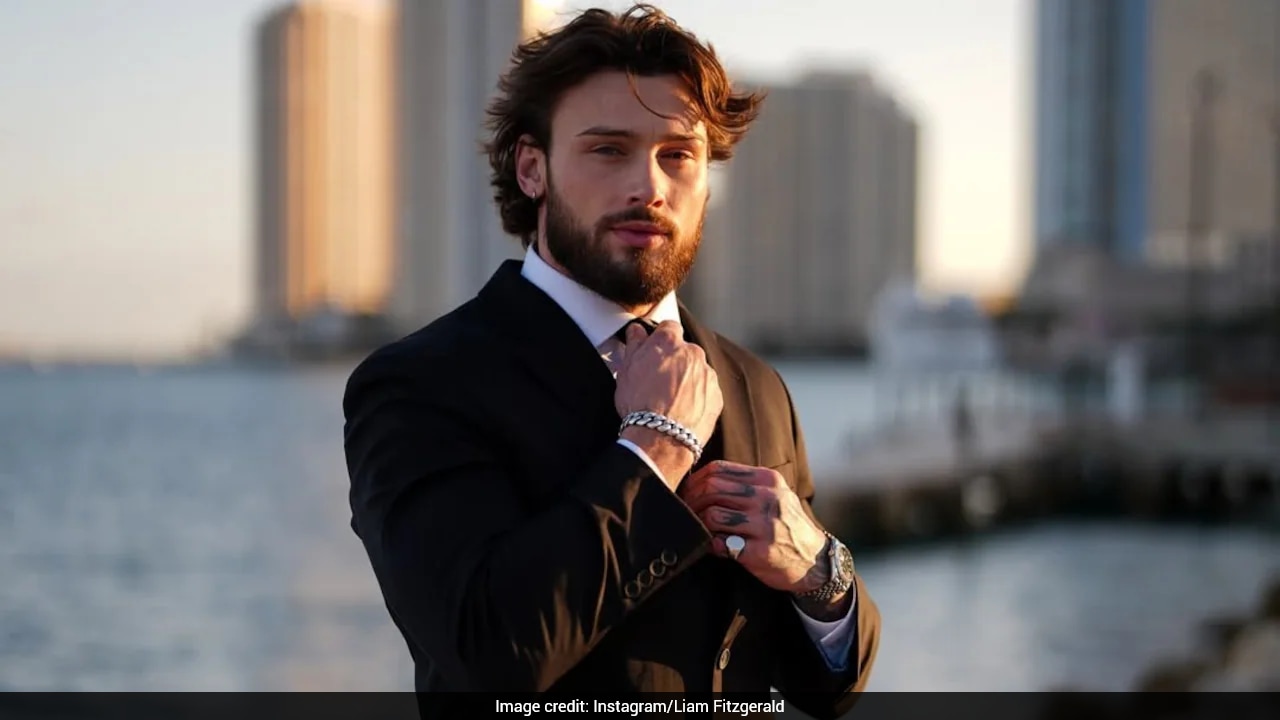
When headlines break that an influencer and OnlyFans creator with a million followers dies in a bike crash, the internet reacts in a predictable, almost mechanical way. Outrage clashes with morbid curiosity, comment sections turn into battlegrounds over digital careers, and the actual human being at the center of the tragedy gets reduced to two labels.
I've spent years analyzing digital media cycles and creator economy trends, and the pattern is always the same. News outlets rush to publish the bare minimum—an unverified location, a follower count pulled from a cached profile, and a handful of embedded social media tributes—just to capture the initial search spike. What they leave out is the reality of motorcycle risks for high-profile content creators, the legal chaos left behind when a solo digital business suddenly stops, and how online communities actually process grief when a parasocial relationship ends without warning. Meanwhile, you can explore similar events here: Asymmetric Deterrence in the Persian Gulf Why Escalation Dynamics Trap Regional States.
You deserve more than recycled tabloid filler. Let's look at why these stories dominate search engines, what real-world safety data tells us about motorcycling while filming or commuting, and what happens behind the scenes of a seven-figure creator brand when tragedy strikes.
Why Influencer Bike Crash News Spreads So Fast
Social media algorithms reward shock value, and few combinations trigger engagement metrics faster than sudden mortality paired with adult content creation. When an influencer and OnlyFans creator with a million followers dies in a bike crash, two entirely different audiences collide in the comments. Fans who followed their daily lifestyle content show up to mourn, while casual scrollers arrive to debate their career choices. To explore the complete picture, check out the detailed article by Reuters.
Tabloid editors know this. That's why headlines deliberately emphasize platform names and follower milestones rather than the person's full body of work or personal background. According to Pew Research Center data on social media news consumption, emotionally charged breaking news generates significantly higher share rates than standard reporting, even when initial details remain unconfirmed by local authorities.
Honestly, this rush to publish creates massive misinformation loops. Within hours of an unconfirmed report, fake tribute accounts pop up, impersonators hijack hashtags to drive traffic to unrelated pages, and AI-generated obituary videos flood YouTube and TikTok. If you're trying to verify whether a creator actually passed away, relying on viral reposts is the worst thing you can do.
How to Verify Breaking Creator News Without Falling for Hoaxes
Death hoaxes targeting major influencers happen every single week. Before sharing a tribute or assuming a viral headline is accurate, check three concrete sources:
- Local law enforcement press releases: Traffic fatalities involving motorcycles almost always generate an official incident log from the county sheriff, state highway patrol, or municipal police department within 24 to 48 hours.
- Verified management or agency statements: Creators with a million followers rarely operate completely alone; talent managers or legal representatives typically issue a formal statement via the creator's primary Instagram or X account once next of kin are notified.
- Mainstream local journalism: Regional newspapers and local TV affiliates near the crash site confirm identities through coroner reports rather than anonymous Reddit threads.
The Real Statistics Behind Motorcycle Fatalities and Content Creation
Motorcycle culture has become a massive aesthetic trend across Instagram, TikTok, and subscription platforms. Sleek sportbikes, custom gear, and high-speed POV reels pull millions of views because they project freedom and adrenaline. Yet the gap between social media aesthetics and road physics is brutal.
Data from the National Highway Traffic Safety Administration (NHTSA) consistently shows that motorcyclists are roughly 22 to 28 times more likely to die in a crash per vehicle mile traveled compared to people inside passenger cars. That baseline risk exists before you add a single camera mount or distracted driver into the equation.
From what I've observed tracking creator accidents over the past decade, three specific factors compound the danger for online personalities:
- Filming and riding simultaneously: Mounting a 360-degree camera or checking audio levels splits cognitive attention. Even a half-second glance at a handlebar mount at 65 mph covers nearly 50 feet of blind asphalt.
- Compromised protective gear for aesthetics: Full-face Snell-certified helmets, armored jackets, and abrasion-resistant pants don't always fit the visual brand creators want to project on camera. Riding in lightweight hoodies or fashion helmets dramatically increases fatal injury rates during low-side slides.
- Group rides and stunt pressure: Collaborating with other automotive or bike influencers often encourages riding beyond personal skill limits to capture dramatic cornering or highway pull footage.
None of this means every creator crash involves reckless filming. Left-turn collisions caused by drivers failing to yield remain one of the leading killers of experienced, cautious riders worldwide. Still, ignoring the visual-first pressure of the creator economy misses a huge part of why motorcycle content carries such high stakes.
What Happens to a Million-Follower Digital Business After a Sudden Death
Most people assume that when a creator passes away, their accounts simply freeze in time. In reality, a creator with a million followers across Instagram, TikTok, and OnlyFans runs a complex financial operation that immediately hits legal and technical roadblocks.
Subscription platforms don't automatically know a user has died. Recurring monthly charges continue billing subscribers until the estate notifies the platform with a certified death certificate. Meanwhile, automated third-party scheduling tools may keep posting pre-queued photos or promotional links for days or weeks after the crash—an eerie glitch that frequently confuses grieving fans and fuels conspiracy theories that the death was faked.
Digital Estate Planning Is Still an Afterthought
If you build an income online, your accounts are business assets, yet very few young creators set up formal digital legacy instructions. Without clear legal documentation:
- Platform lockouts freeze funds: Banks and payment processors immediately lock accounts upon receiving a death notice, leaving family members unable to cover funeral expenses using the creator's earned revenue until probate clears.
- Unscrupulous agencies exploit gray areas: Some management firms retain login credentials and continue operating chat services or selling archived content without explicit permission from the deceased creator's family.
- Impersonation explodes: Scammers clone entire photo libraries within hours of a fatal crash, launching fake backup accounts to solicit fraudulent memorial donations.
Platforms like Instagram and Facebook offer legacy contact settings that allow a designated person to memorialize an account, locking it against changes while preserving posts. Subscription platforms, however, require direct legal intervention from an executor to wind down payouts and scrub banking ties safely.
The Parasocial Grief Cycle and Online Cruelty
When a traditional celebrity dies, public mourning follows established cultural scripts. When an OnlyFans creator dies, the public reaction exposes a deep hypocrisy in how society consumes adult content.
Millions of people actively consume creator-driven adult media every day, yet the moment a creator makes the news for a fatal accident, waves of moralizing commenters rush in to mock their profession. It's a jarring disconnect. Families grieving a sudden, violent loss are forced to lock comment sections or delete tribute posts because strangers treat a real person's death as a punchline.
At the same time, genuine followers experience a very real form of disenfranchised grief. Psychologists define disenfranchised grief as mourning a loss that society doesn't openly validate or recognize. Because the bond between a subscriber and a creator is one-sided—often built through daily stories, direct messages, and livestream chats—fans feel a personal loss that friends or family in the offline world might dismiss or ridicule.
Practical Steps Every Creator and Rider Should Take Today
Tragedies like a fatal bike crash feel distant until they hit your feed or your own circle. Whether you're building an audience online, riding on two wheels, or simply following creators whose work you value, you can take concrete steps right now to protect yourself and respect the people behind the screen.
If you ride motorcycles, separate filming from riding entirely. Run automated cameras that require zero mid-ride adjustments, wear ECE 22.06 or Snell-rated full-face helmets on every single trip regardless of distance, and treat public roads as transit rather than a studio set.
If you earn money through social media or subscription platforms, set up your digital estate this week. Designate a legacy contact on Meta platforms, store two-factor authentication backup codes in an encrypted password manager accessible to a trusted executor, and put written instructions in a basic will specifying whether your accounts should be deleted or memorialized. Don't leave your family fighting tech support while trying to grieve.


