The lazy consensus of legal commentary wants you to believe that immigration statutes are blunt instruments. They want you to think that when a man spends months cooking meals in a camp controlled by armed militants, he has crossed an uncrossable moral and legal Rubicon. The argument goes like this: armies march on their stomachs, terrorists need calories to function, and therefore, frying plantains or boiling rice amounts to material support for terrorism.
It sounds airtight if you live in a sterile appellate courtroom thousands of miles away from actual violence. It completely collapses the moment you examine how insurgent groups operate in failed states.
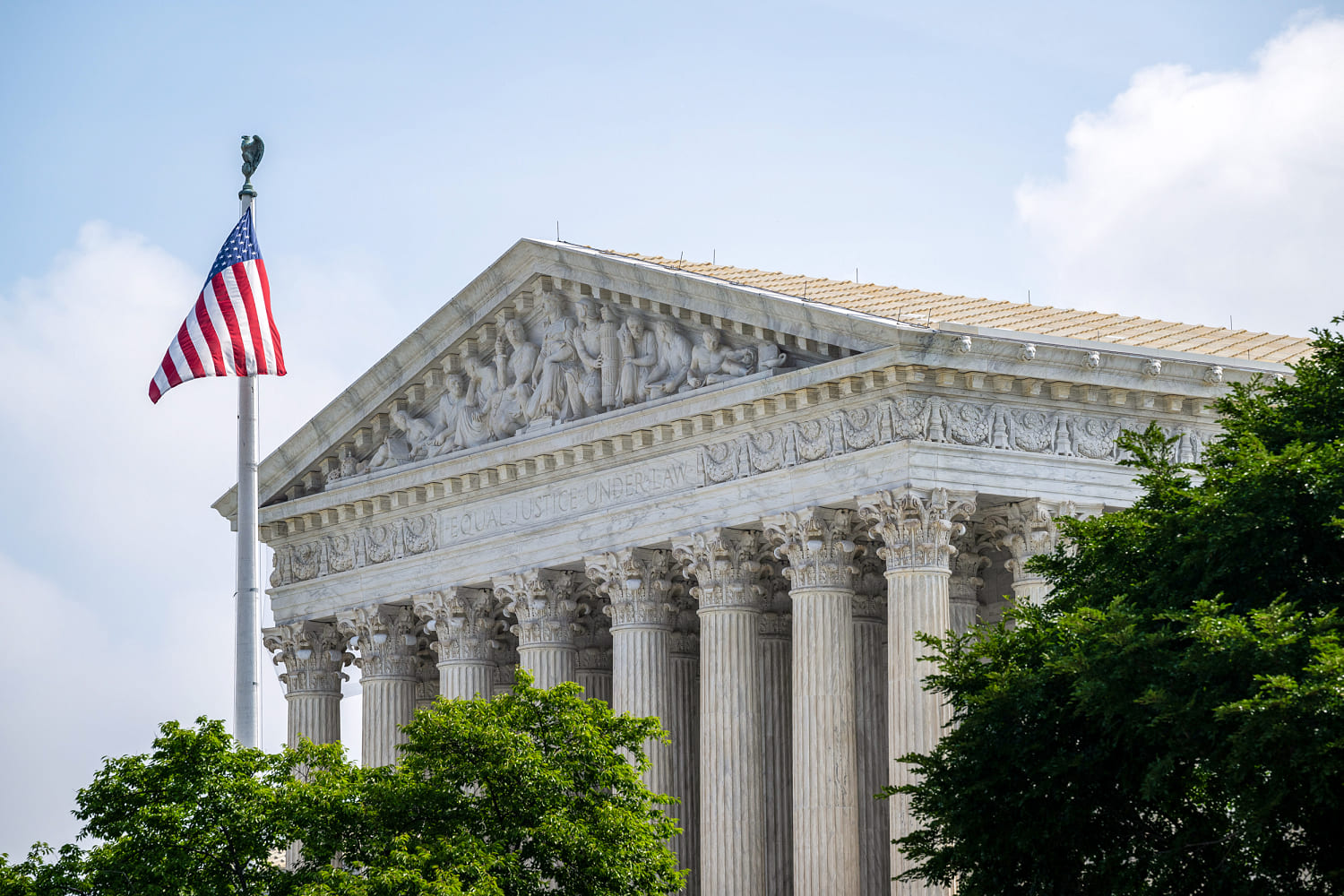
The Supreme Court is currently weighing the case of Izuchukwu Ozurumba, a Nigerian asylum seeker whose bid for protection was blocked because he cooked meals for members of an armed group. The Fourth Circuit previously recognized the obvious reality of his situation: he was a captive laborer, trapped in a dynamic where saying no meant a bullet to the head. Yet the federal government and various legal purists insist that feeding bad actors strips an individual of humanitarian relief. This is an absurd distortion of statutory intent. It turns victims of coercion into geopolitical co-conspirators.
To understand why this legal theory fails, we have to look past the sanitized language of immigration briefs and confront how terror and insurgencies actually function on the ground.
The Myth of Voluntary Complicity in Warlord Economies
When legal theorists argue that a camp cook is providing material support equivalent to financial aid or weapons smuggling, they commit a fundamental error of scale and agency. They assume a baseline of free choice that does not exist in territories controlled by violent non-state actors.
Imagine a scenario where an armed faction sweeps into a rural region, occupies local infrastructure, and takes over daily life. They do not hand out job applications. They conscript labor at gunpoint. If a civilian possesses a useful trade—mechanic, carpenter, cook—they are put to work. To treat that civilian's coerced labor as an endorsement of the regime's ideology is to misunderstand the mechanics of survival under duress.
The material support bar was written into immigration law to keep actual subversives, active financiers, and combatants out of the United States. It was designed for people who willfully chose to advance a violent political agenda. Conflating a forced laborer forced to boil beans with an active insurgent asset is an administrative failure. It strips the word "material" of its common-sense meaning.
Legal scholars love to cite the Supreme Court ruling in Holder v. Humanitarian Law Project, which upheld restrictions on aiding terrorist groups. But that case dealt with organizations knowingly providing expert advice and training to designated foreign terrorist entities. Stretching that logic to capture an asylum seeker who was functionally enslaved inside a remote camp stretches the law until it snaps.
The Dangerous Absurdity of Zero-Tolerance Dogma
The bureaucratic defense of the material support bar relies on a rigid, algorithmic view of justice. The logic runs like this: calories equal energy, energy equals action, therefore a cook is an accessory to violence.
Taken to its logical extreme, this dogma becomes unworkable. Does a farmer who grows the grain that gets taxed by local militias provide material support? Does a doctor who treats a wounded fighter under threat of execution forfeit their right to seek safety abroad? If the answer is yes, then the United States immigration system has effectively declared that anyone living through a civil conflict in a fractured state is permanently disqualified from asylum simply for drawing breath and participating in the local economy.
That is not national security. That is an administrative exclusion filter designed to reduce caseloads by disqualifying the very people fleeing the most chaotic environments.
The executive branch and immigration agencies defend this hardline stance because they fear a slippery slope. They argue that creating exceptions for cooks or cleaners opens a loophole that bad actors will exploit. But this fear ignores the reality of individualized adjudication. Immigration judges and asylum officers are explicitly trained to weigh credibility, evaluate coercion, and determine whether an applicant acted under genuine duress. Trusting the system to evaluate duress is the entire point of having an individualized asylum process. Throwing up a blanket ban because someone washed dishes or chopped vegetables for armed men is lazy adjudication masquerading as tough-on-crime posturing.
Redefining What It Means to Support Terror
If we want an immigration framework that survives contact with reality, we have to separate functional existence from culpable support.
True material support requires intent, autonomy, and a meaningful contribution to a violent enterprise. A captive laborer fulfilling basic survival tasks under the watchful eye of armed guards possesses none of those three elements.
The Supreme Court has an opportunity to inject sanity back into this jurisprudence. If the justices uphold the idea that a forced kitchen worker is legally indistinguishable from a terrorist financier, they will send a chilling message to refugees worldwide: if you survived a conflict zone by keeping your head down and doing what local thugs demanded just to stay alive, do not look to American courts for refuge.
Stop pretending that every survival adaptation under a warlord's thumb is an act of terrorism. It is time to dismantle the fiction that boiling rice for thugs makes a captive an enemy of the state.