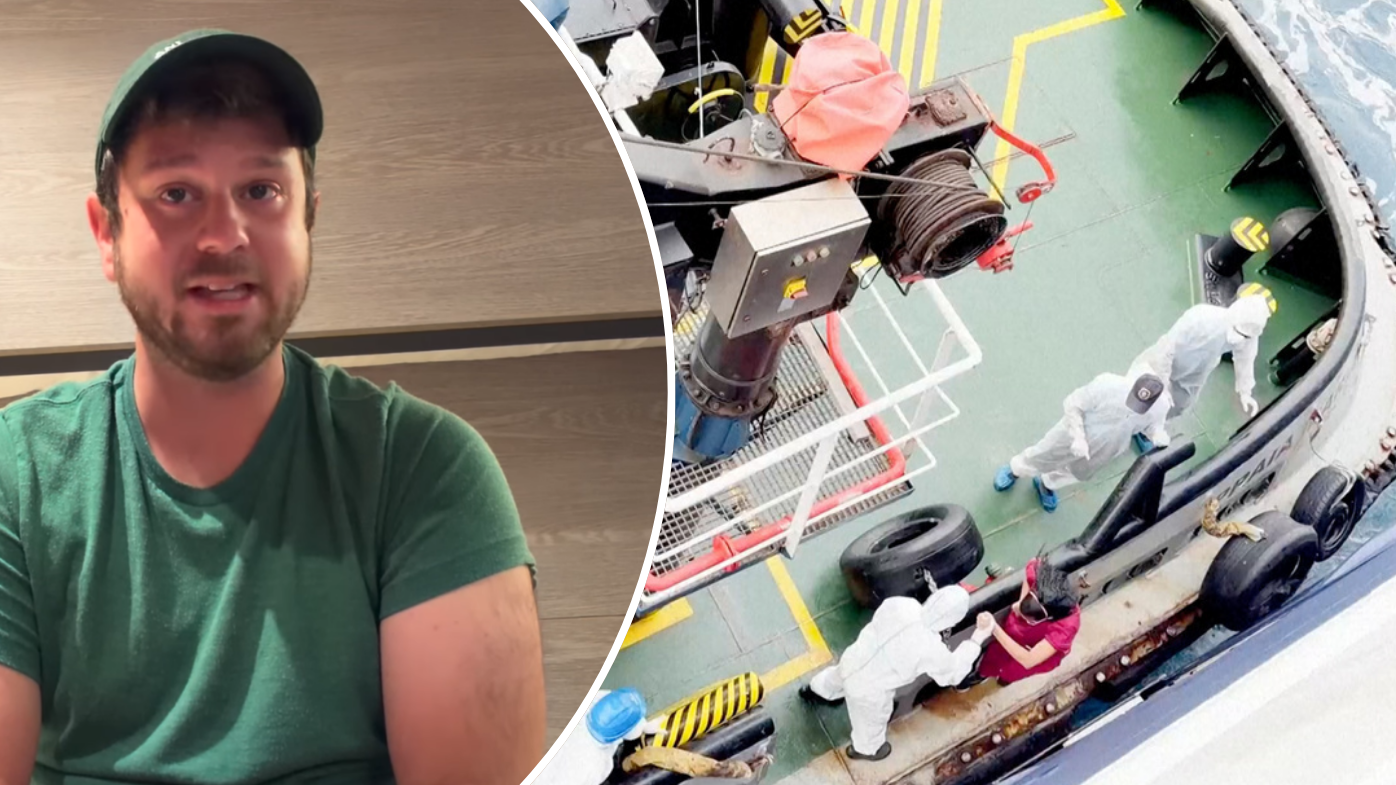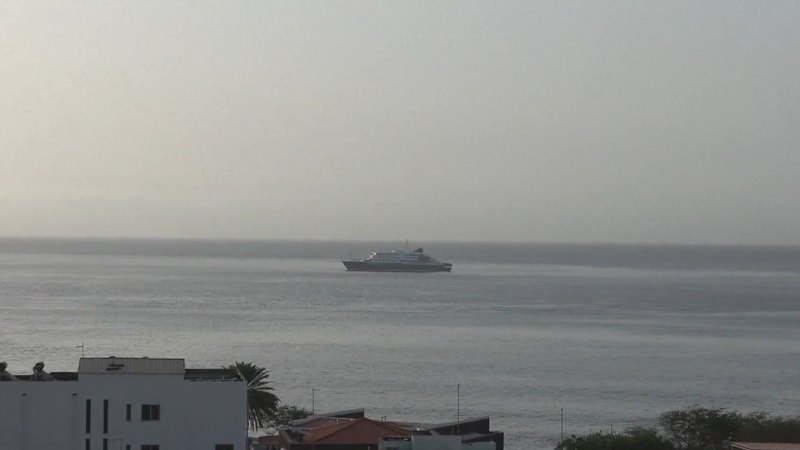
The sight of white-clad medical teams ascending the gangplank of a "virus-struck" cruise ship is the ultimate theater of competence. It is designed to soothe the public, protect stock prices, and signal that someone is in control. It is also an epidemiological farce.
Every time a norovirus or respiratory outbreak hits a vessel, the narrative is identical: the experts arrive, the ship is "scrubbed," and the industry promises a return to safety. This reactive model is broken. By the time those boots hit the deck, the containment battle is already lost. You aren't watching a rescue; you are watching a cleanup crew manage a PR disaster while the biological reality of high-density maritime travel remains fundamentally unaddressed.
The Petri Dish Fallacy
Mainstream reporting treats cruise ship outbreaks as freak accidents or "bad luck." They aren't. They are the inevitable mathematical output of the industry's business model.
Cruise ships are closed-loop systems. Unlike a city, where people disperse into varied environments, a ship forces thousands of individuals to breathe the same recycled air, touch the same handrails, and congregate in the same buffet lines for weeks.
The industry loves to cite "increased sanitation protocols." I have spent decades analyzing logistics and emergency response, and I can tell you: sanitation is a secondary defense. The primary issue is volume and velocity. When you cram 5,000 people from 40 different countries into a steel box, you have created a high-efficiency transmission vector that no amount of hand sanitizer can counteract.
The "medical experts" boarding these ships are often hamstrung before they even begin. They operate within a framework of damage control rather than eradication. Their presence is a bandage on a gunshot wound.
Why "Deep Cleaning" is a Marketing Term
The media obsesses over "deep cleaning." It sounds thorough. It sounds scientific. In reality, it is a desperate attempt to reset a contaminated environment that will be re-contaminated within four hours of the next boarding.
Consider the surface area of a modern mega-ship. We are talking about hundreds of thousands of square feet of porous materials—carpeting, upholstery, and complex HVAC ducting. True sterilization of a vessel this size would require it to be out of commission for months, stripped to the hull, and treated with industrial-grade biocides.
Instead, we get "enhanced cleaning." This usually means a few extra crews with fogging machines and high-proof alcohol wipes. It is effective at killing germs on a tabletop, but it does nothing to address the asymptomatic carriers who walk onto the ship the very next day.
The Asymptomatic Reality
Here is the truth no cruise line executive will admit: their screening processes are a joke. A thermal camera or a self-reported health questionnaire will never catch an incubation-period virus.
If a passenger is carrying a viral load but hasn't started coughing yet, they are a walking biological time bomb. They spend 48 hours touching every elevator button and slot machine before the first symptom appears. By then, the "medical experts" are already 48 hours behind the curve.
The False Security of the Quarantine
When a ship is held at sea or "boarded by experts," the standard procedure is to confine passengers to their cabins. On paper, this stops the spread. In practice, it often turns the ship’s ventilation system into a distribution network.
Many older ships—and even some modern ones—utilize air handling systems that do not provide 100% fresh air to every cabin. They recirculate a portion of that air to save on energy costs. If your neighbor in 704 is projectile vomiting or coughing, and you are in 706 sharing the same air return, those cabin doors might as well be made of paper.
We saw this play out in 2020 and 2021. The "quarantine" actually increased the infection rate among those trapped on board. The "experts" knew this, yet they maintained the optics of the quarantine because the alternative—evacuating thousands of potentially infected people into a port city—is a political nightmare.
The Economic Incentive to Fail
Why hasn't the industry fixed this? Because the cost of true bio-security is incompatible with the low-margin, high-volume cruise model.
To actually prevent these outbreaks, cruise lines would need to:
- Reduce Occupancy: Cut passenger counts by 50% to allow for social distancing.
- HEPA Everything: Overhaul every HVAC system with hospital-grade filtration.
- Mandatory Testing: Implement rapid PCR-style testing for every single person (crew included) at every embarkation.
None of this will happen. It would double the price of a ticket and kill the "all-you-can-eat" mass-market appeal. Instead, the industry chooses the cheaper option: pay for the occasional medical boarding, issue a few refunds, and wait for the news cycle to move on.
The "People Also Ask" Trap
Most people ask: "Is it safe to go on a cruise after an outbreak?"
This is the wrong question. The question should be: "Am I willing to accept that a cruise ship is a high-risk biological environment by design?"
If you board a ship, you are entering a space where your health is secondary to the vessel's schedule. The "experts" are there to protect the brand, not your individual well-being. They want the ship back in service. They want the next 4,000 people on board by Saturday.
Your Tactical Reality Check
If you insist on cruising, stop looking at the "safety awards" or the press releases about "expert boardings." Those are for the naive.
- Avoid the Mega-Ships: The higher the density, the higher the risk. Period.
- Study the HVAC: Only book ships that have been retrofitted with 100% fresh air systems. If the cruise line won't tell you the air exchange rate, they are hiding a dirty secret.
- Assume Contamination: Treat every common surface as a hot zone. Don't touch the buffet spoons. Don't use the public restrooms.
The next time you see a news report about a medical team boarding a ship in the harbor, don't feel relieved. Feel cynical. You are watching a cleanup crew at a crime scene where the "criminal" is the very architecture of the ship itself.
The medical experts aren't there to save the passengers. They are there to save the voyage. The passengers are just the cargo that happened to get sick.
Stop buying the theater. Accept the risk or stay on shore.