The smell of a bookstore in Mong Kok is unlike anywhere else in the world. It is a mix of cheap newsprint, stale humidity, and the sweet, vanilla-like scent of aging paper, all pressed into a space no larger than a studio apartment.
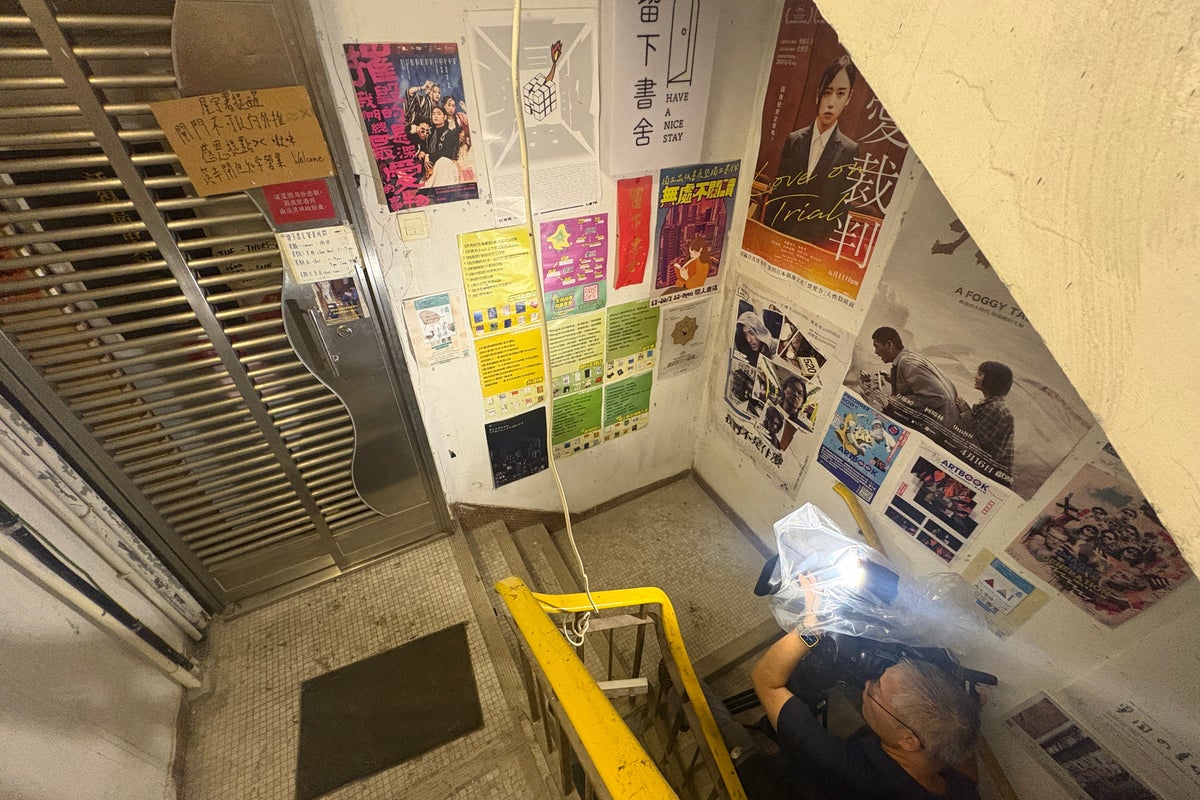
To find these shops, you have to know where to look. You walk past the neon signs flashing advertisements for reflexology and hot pot. You squeeze into a narrow doorway between a phone repair stall and a bubble tea shop. You climb three flights of concrete stairs, past exposed wiring and the low hum of ancient air conditioners.
At the top of the stairs, the door opens. The noise of the city drops away.
Inside, you find wooden shelves bowing under the weight of history. For decades, these high-rise sanctuaries served as the lungs of Hong Kong. They were places where you could breathe, think, and read what was forbidden just across the border in mainland China.
Now, those shelves are being cleared. Not by eager readers, but by police officers carrying cardboard boxes.
The Line That Moves
On a humid Wednesday in July 2026, the quiet of Prince Edward and Mong Kok was broken by the heavy tread of tactical boots.
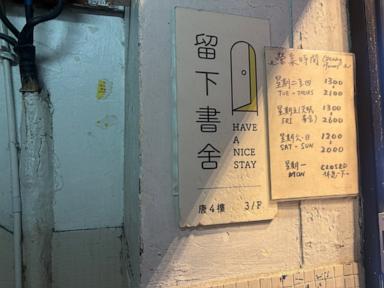
At Have A Nice Stay, a bookstore founded by former journalists, the afternoon routine was shattered when police officers raided the premises. Minutes later, a similar scene played out down the street at Greenfield Book Store. Five people—two men and three women—were led away.
The accusation? Selling "seditious publications".
To the outside observer, a word like "sedition" sounds grand, legalistic, and perhaps a bit abstract. It evokes images of secret printing presses churning out revolutionary manifestos in the dead of night. But the reality on the ground is far more mundane—and far more terrifying.
Under Hong Kong’s sweeping 2024 national security law, the definition of what makes a book "seditious" has become a shapeshifting ghost.
Consider the dilemma of a modern Hong Kong bookseller. There is no official list of banned books. The government has explicitly stated that creating such a list is "pointless". Instead, the law relies on a subjective standard: does a text stir up "hatred or contempt" against the government?
This creates what locals call the "red line."
The trouble with the red line is that it is invisible. And it moves.
A biography of a jailed media tycoon, a collection of political cartoons, a history of local social movements—any of these can suddenly transform from a dusty volume on a shelf into a ten-year prison sentence.
Imagine standing in front of your own bookshelves every morning, looking at titles you have sold peacefully for a decade, and having to guess which one might bring the police to your door this afternoon. It is a game of Russian roulette where the bullets are made of ink and paper.
The Cargo from Overseas
The dragnet is not just operating inside the shops; it starts at the borders.
The recent raids were triggered after customs officials intercepted a shipment of books arriving from overseas. The cargo was flagged. The police were notified.
This represents a profound shift in how information is controlled. For generations, Hong Kong was the regional hub for free publishing. Mainlanders would take the train down to the territory specifically to buy books they couldn’t find at home, stuffing them into suitcases like contraband gold.
Now, the flow has reversed. The city is being sealed off.
When Have A Nice Stay announced its plans to close permanently by August 30, its owners wrote a bittersweet farewell on social media. They cited financial difficulties, but they also pointed to the "elusive red line".
It is a slow, suffocating process. You do not need to burn books if you can make the people too afraid to print, import, or sell them. The silence that follows is just as effective.
The Ghost of Causeway Bay
To understand why a simple police raid on a high-rise bookstore sends such a cold shiver through Hong Kong, you have to look back.
Ten years ago, the owner of Causeway Bay Books, Lam Wing-kee, disappeared alongside four of his colleagues. They were kidnapped, held by Chinese authorities, and subjected to months of interrogation. Their crime was the same: distributing books critical of Beijing's leadership.
Back then, the kidnappings shocked the world because they violated the "One Country, Two Systems" agreement that was supposed to protect Hong Kong's civil liberties until 2047. The city rose up in protest.
Today, there is no need for kidnappings in the middle of the night. The machinery of the state has been legalized, streamlined, and brought into the light of day. The arrests of bookstore owners are now conducted with press releases and official statements.
This is the third round of bookstore raids this year alone. In March, police targeted Book Punch, seizing copies of a biography of pro-democracy figure Jimmy Lai. In June, two more booksellers were detained.
Each raid acts as a lesson.
The lesson is not just for the shop owners. It is for the customers who walk through the door. It is for the writers who sit down at their keyboards. It is for anyone who believes that a city's soul is kept alive through the words it allows to be printed.
The Weight of the Empty Shelf
When a bookstore closes in Hong Kong, it is not just a commercial failure. It is the erasing of a community.
These shops were never just retail businesses. They were salons. They were places where you could sit on a mismatched stool, sip a cup of barley tea, and talk to a stranger about philosophy, art, or the future of your home.
Now, those spaces are being replaced by a cautious, watchful silence.
The next time you walk down a busy street in Mong Kok, you might look up at the second and third-floor windows. You will see the glowing signs for hair salons, tutor centers, and cafes. But the windows where books used to sit will be dark.
The booksellers have been taken away. The cardboard boxes have been packed and taped shut. All that remains is the smell of old paper, slowly fading into the humid summer air.

.jpg?width=1200&auto=webp&trim=0%2C0%2C0%2C0)