The Mountain Does Not Negotiate
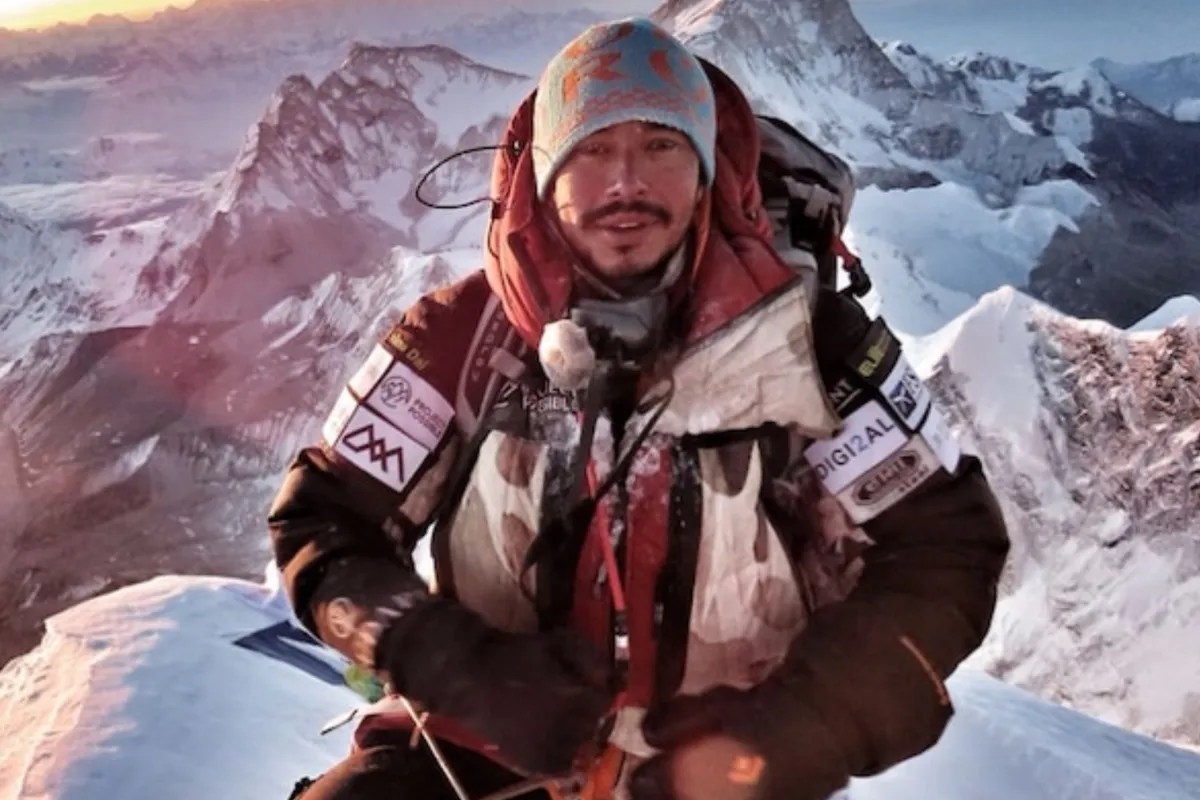
Nirmal Purja is dead. Along with nine others, the renowned mountaineer perished in a catastrophic avalanche in Pakistan, shattering the illusion of absolute safety that high-altitude commercial guiding has aggressively marketed for over a decade.
The tragedy unfolded on the slopes of a major Pakistani peak, turning what was supposed to be a meticulously managed commercial rotation into a graveyard. For years, the narrative surrounding elite climbers like Purja was one of superhuman invulnerability. They were portrayed as masters of the thin air, figures who could bend extreme weather and unstable snowpacks to their will through sheer physical conditioning and commercial scale. If you enjoyed this piece, you should read: this related article.
That illusion is now buried under tons of ice and debris.
When you strip away the sponsor logos, the Netflix documentaries, and the breathless social media updates, the physical reality of the high-altitude zone remains unchanged. Gravity does not care about follower counts. Avalanches do not pause for television crews. The death of Purja and his fellow climbers forces a brutal reckoning on an industry that has spent years convincing amateurs that the death zone has been conquered. For another angle on this story, see the recent coverage from CBS Sports.
Industrializing the Death Zone
To understand how we arrived at this moment, you have to look at how high-altitude mountaineering transformed from a secretive, elite pursuit into a mass-market adventure product.
For decades, climbing peaks above eight thousand meters was the domain of small, highly experienced teams who understood that they were accepting mortal risk. They read the mountain. They turned back when conditions deteriorated. They accepted failure as a normal outcome of playing a high-stakes game against nature.
Then came the commercialization wave.
Fixed ropes now line standard routes from base camp to summit ridge. Massive logistics operations haul bottled oxygen, heated tents, and gourmet meals up the mountain. High-altitude workers, predominantly local Sherpas and Pakistani high-altitude porters, shoulder the heaviest risks to pave the way for clients who pay six-figure sums for a summit certificate.
Nirmal Purja was a central architect and beneficiary of this new era. Through his guiding companies and personal brand, he revolutionized how fast peaks could be climbed, popularized the use of heavy supplemental oxygen strategies, and turned commercial mountaineering into a fast-paced, high-volume enterprise. He proved that records could be shattered if you threw enough logistical power and commercial efficiency at the problem.
Efficiency, however, creates its own vulnerability.
When you optimize a mountain expedition for speed and schedule adherence, you introduce dangerous psychological pressures. Clients have limited vacation time. Companies have tight operational windows. Sponsors expect content. The entire apparatus incentivizes pushing forward through marginal weather windows and unstable snowpacks because turning back means financial loss, missed marketing opportunities, and logistical paralysis.
The Mathematics of Catastrophe
Avalanches are rarely random acts of bad luck. They are the mathematical convergence of weather, terrain, and timing.
In the Karakoram and the Himalayas, climate disruption has accelerated the danger. Rising temperatures destabilize hanging glaciers and soften snowpacks that previously remained frozen solid. Freeze-thaw cycles happen at higher elevations than ever before, creating hidden weak layers buried deep beneath seemingly stable surface snow.
When a commercial route sees dozens or hundreds of climbers moving up and down fixed lines in a tight window, the physical impact on the mountain is immense. Every footstep acts as a stress test on a fragile slope.
On the day of the disaster, the conditions in Pakistan were a volatile mix of heavy recent snowfall, wind-slab accumulation, and rising ambient temperatures. Experienced independent observers had warned that the snowpack was behaving unpredictably. Yet, the momentum of the commercial season is a freight train that is nearly impossible to stop once it gains steam.
Teams are already on the mountain. Camps are established. Acclimatization is complete. The psychological bias toward completion overrides the rational assessment of danger. Climbers look at other teams moving and assume that if everyone else is going up, the risk must be manageable.
It is a collective delusion with a body count.
The Expendable Workforce
No discussion of modern Himalayan disasters is complete without confronting the stark inequity that underpins the entire industry.
While Western media and international climbing personalities capture the headlines, the backbone of every major expedition consists of local workers. Pakistani high-altitude porters and Nepali Sherpas face the vast majority of the cumulative risk. They carry heavier loads, spend more time in the hazardous icefall zones, and fix the ropes that keep commercial clients safe.
They do this because the economic disparity in their home countries leaves them with few alternatives. Guiding pays wages that can change a family's life for years, funding education and housing in regions with scarce formal employment.
When an avalanche sweeps through a route, it is disproportionately the local workers who pay the ultimate price alongside the marquee names. Yet safety standards, insurance payouts, and working conditions rarely match the immense revenues generated by the high-altitude tourism machine.
The death of a high-profile figure like Purja commands global attention. It makes front-page news from New York to London. But dozens of local workers who perish in relative obscurity each decade receive a fraction of the digital ink, highlighting a systemic indifference to the lives of those who make elite mountaineering possible for others.
The Myth of Control
Modern marketing has sold the public a dangerous falsehood: that advanced weather forecasting, satellite communications, and elite guiding have made the high mountains safe.
We check forecasts on our phones from base camp. We coordinate rescues via satellite messengers. We view peaks through high-definition drone footage before we even step foot on the glacier. This technological buffer creates a dangerous cognitive disconnect. It tricks the human brain into treating a remote, frozen wilderness like an extreme theme park ride.
The mountain retains absolute veto power.
When a slab of wind-loaded snow lets go above a narrow gully, no amount of marketing copy or carbon-fiber gear can save you. The physics of blunt-force trauma and asphyxiation are entirely indifferent to your sponsorship deals or your summit goals.
Purja understood this better than most, having spent a lifetime operating in environments where a single miscalculation means death. Yet even the most skilled and experienced operators can be caught in the trap of institutional momentum. When you build an entire ecosystem around continuous upward movement, slowing down or turning around becomes an existential threat to the business model.
What Comes After the Fall
The loss of Nirmal Purja and nine others will prompt the usual cycle of public mourning, followed by brief introspection within the mountaineering community, and then a quiet return to business as usual.
The permits will still be issued. The flights to Islamabad and Kathmandu will still be fully booked. The corporate sponsors will continue to fund athletes who push the envelope of speed and altitude. The underlying economic pressures that drive poor safety decisions have not changed, and neither has the human appetite for extreme risk.
Until the industry fundamentally recalibrates its relationship with risk, profit, and environmental reality, the mountains will continue to collect their toll. The illusion that we have conquered the high peaks is just that—an illusion, maintained until the next slope fractures and the snow reclaims what was never ours to take.