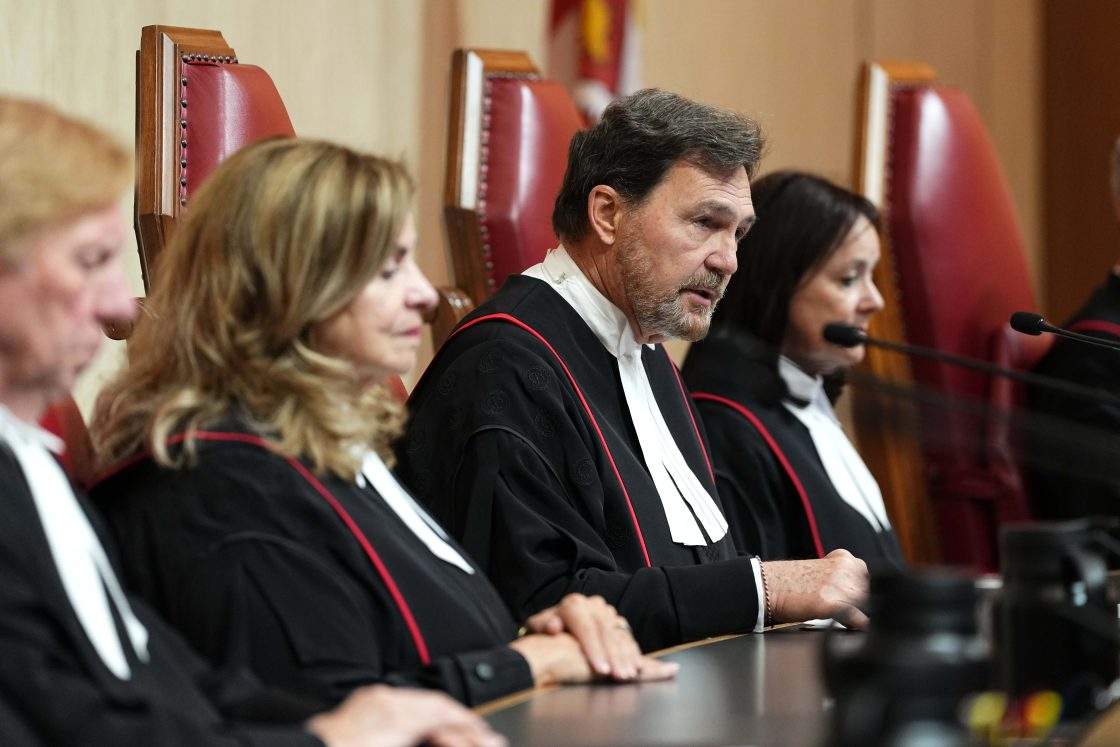
We take the machinery of government for granted until it starts breaking down.
Every single day, courts render decisions, parliaments debate laws, and independent agencies audit public spending. Most people scroll right past these headlines. They assume the system runs on autopilot. But legal authorities and senior judges keep sounding the alarm for a reason. When democratic institutions face relentless pressure from polarization, political interference, and public apathy, they don't crash all at once. They erode slowly, piece by neglected piece.
Chief justices and constitutional scholars across the globe are stepping up to warn us. You can't just fix a cracked judicial system or a compromised electoral board overnight once public trust vanishes. Protecting these structures requires active attention from citizens who understand what is actually at stake.
The Reality of Institutional Decay
Democratic backsliding rarely happens through a sudden cinematic coup. It happens quietly.
A ruling party chips away at judicial independence by packing courts with loyalists. A legislature stops performing its oversight duties because partisan loyalty overrides accountability. An electoral commission gets defunded or restructured just enough to hobble its investigative powers.
When top jurists stand up and demand that we safeguard democratic institutions, they aren't speaking in abstract political theory. They are talking about practical guardrails. Without an independent judiciary, citizens lose recourse against government overreach. Without a functional legislature, laws get written behind closed doors by executive fiat.
Think about how a court handles a disputed election or a challenge to executive power. If the public stops believing the judges are impartial, the entire verdict loses legitimacy. Once legitimacy goes, civil unrest follows. That is why legal leaders are raising their voices. They see the erosion happening in real time.
Why Public Trust is the Ultimate Currency
You cannot police a democracy purely through laws. Rules only work if the people governing and the people governed agree to respect them.
When political leaders attack courts as biased simply because they lost a ruling, they target the foundation of the entire system. Trust takes decades to build and seconds to shatter.
Take a look at recent global trends. Countries where judicial independence took a direct hit didn't lose their courts overnight. First came the rhetorical attacks. Then came budget cuts. Then came mandatory retirements for independent judges. By the time citizens realized their constitutional protections were gone, the legal mechanism to fight back had already been dismantled.
Judicial leaders remind us that the public holds the final veto. If voters tolerate the systematic weakening of watchdogs, those watchdogs will disappear.
Practical Steps to Defend the System
You don't need a law degree to protect democracy. But you do need to pay attention to how power operates in your community and country.
Start by supporting local journalism. Investigative reporters uncover the administrative overreaches and corruption that politicians try to bury. When local newsrooms die, accountability dies with them.
Pay attention to judicial appointments. Too many voters ignore judicial elections or confirmation hearings, focusing entirely on the executive branch. Yet judges make decisions that directly affect civil rights, voting access, and corporate accountability for generations.
Push back against cynical attacks on institutional integrity. When you hear sweeping claims that an entire branch of government is entirely corrupt, look at the evidence. Critique specific decisions, sure, but avoid tearing down the legitimacy of the institution itself. Constructive reform beats destructive cynicism every time.
Democracy stays alive only as long as enough people decide it is worth fighting to keep.


