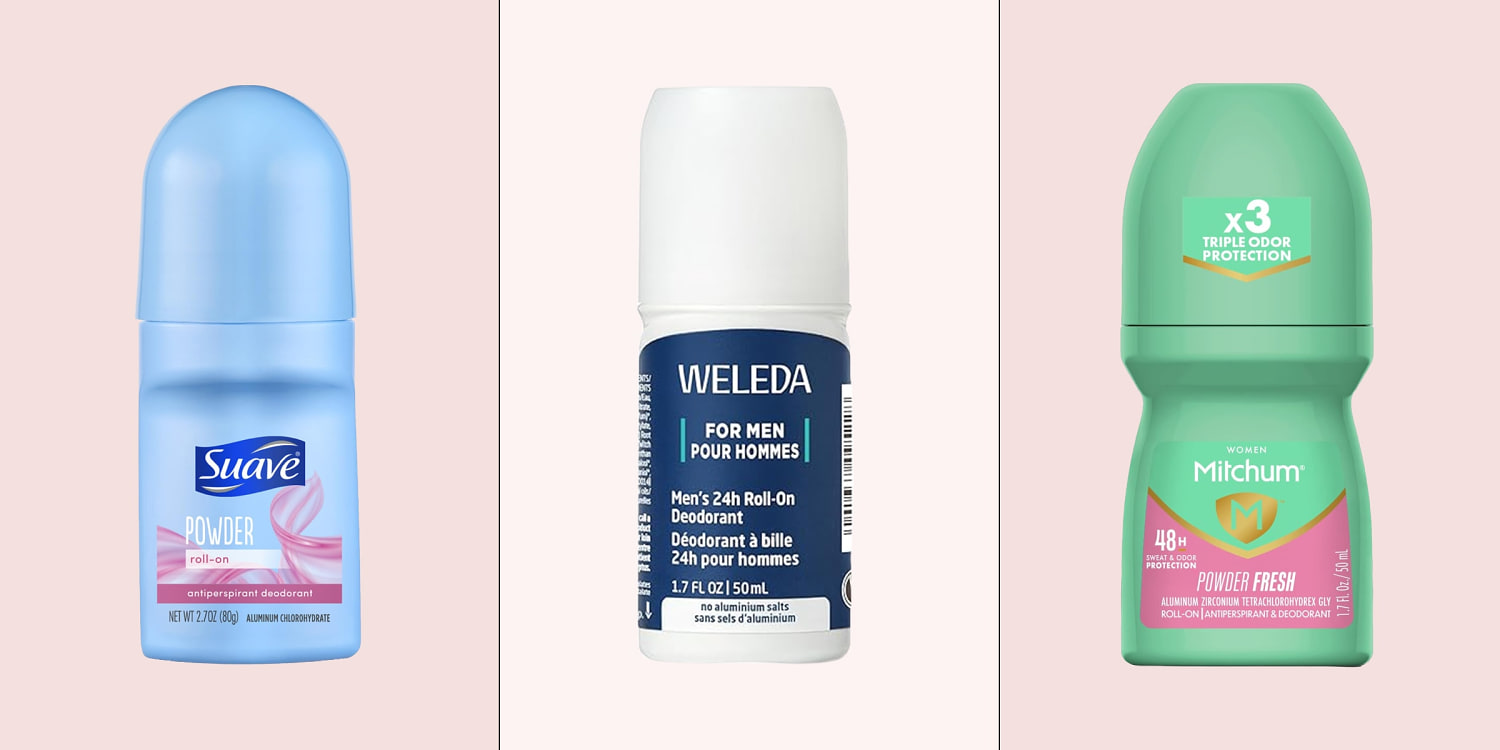
The skincare industry has lied to you about sweat for decades, and dermatologists are the chief accomplices. Open any wellness blog or dermatology roundup, and you will find the same lazy consensus parroted ad nauseam: buy a clinical-strength roll-on deodorant, coat your underarms before bed, let aluminum salts plug your sweat glands, and go about your day feeling fresh and dry.
It is clean, tidy advice. It is also a biological disaster.
I have spent fifteen years auditing cosmetic manufacturing lines and picking apart the formulation logic of major personal care brands. I have seen laboratories spend millions masking the structural failures of traditional roll-ons with synthetic fragrances that double as endocrine disruptors, all to maintain the illusion of dry perfection.
The standard advice treats sweat as an enemy to be conquered with chemical cement. That premise is fundamentally flawed. When you seal your apocrine glands with aluminum zirconium complexes, you do not stop the body from perspiring; you force that moisture—and the trapped bacterial biome—to redirect, altering your skin barrier in ways few doctors care to discuss.
Stop listening to the glossy lists endorsing the latest roller bottle on the shelf. Here is why the conventional approach to roll-on deodorants is failing you, and what you should be doing instead.
The Great Antiperspirant Confidence Trick
Let us clear up a foundational misunderstanding right out of the gate. People confuse deodorants and antiperspirants as if they are interchangeable cousins. They are not.
Deodorants neutralize odor by killing bacteria or masking the scent. Antiperspirants use aluminum-based salts to physically block your sweat ducts by forming a temporary plug in the pore.
When dermatologists recommend roll-on antiperspirants, they champion the convenience of the liquid delivery system. A rollerball glides smoothly, laying down a wet film that dries into an occlusive barrier. Sounds efficient, right?
Except for the mechanics.
Imagine a scenario where you paint your driveway with quick-drying epoxy. It looks great for a week, but underneath, moisture builds, cracks form, and the substrate degrades. That is what a heavy roll-on antiperspirant does to your axillary microbiome. By completely choking off airflow and natural moisture release, you disrupt the delicate balance of Corynebacterium and Staphylococcus species living on your skin.
You trade a natural physiological function for temporary dryness, and you pay for it with chronic irritation, stubborn yellow staining on your shirts caused by a chemical reaction between aluminum and your sebum, and an eventual rebound effect where your body sweats more aggressively once the plug degrades.
Why Roll-Ons Fail the Real-World Stress Test
The traditional sales pitch for roll-on deodorants hinges on precision. Unlike aerosol sprays that coat your entire bathroom in a toxic cloud, or greasy stick deodorants that leave a waxy white residue, a roll-on promises targeted application.
It is a neat theory that collapses under real-world pressure.
Liquid roll-on formulas require water or high levels of alcohol and glycols as a suspension base to keep the aluminum salts dissolved in the bottle. When you roll that wet concoction onto warm skin, it takes precious minutes to dry. Try putting on a tailored silk blouse or a dark cotton tee immediately after applying a standard roll-on, and you are guaranteed to ruin the fabric before you even leave the house.
Furthermore, because the liquid sits on top of the skin rather than absorbing into the lipid layer, it smears the moment your core body temperature rises. You end up with a slimy emulsion of sweat, aluminum salts, and synthetic fragrance pooling in the fold of your armpit. It is less of a shield and more of a breeding ground.
The dermatological establishment loves roll-ons because they are easy to study in clinical trials. They produce clean, measurable reductions in sweat volume over a twenty-four-hour period in a climate-controlled laboratory. But life does not happen in a climate-controlled laboratory. Life happens when you are running for a delayed flight, sitting through a tense boardroom negotiation, or stepping out into ninety-degree humidity. In those moments, a standard roll-on fails because it cannot adapt to dynamic thermal shifts.
The Microbiome Rebellion
We need to talk about what happens when you wage war on your own biology.
Your underarm is an ecosystem. It is a dense rainforest of sweat glands, hair follicles, and resident bacteria. Sweat itself is virtually odorless when it leaves your body. The pungent smell you notice by midday is the byproduct of bacteria feasting on the lipids and proteins found in apocrine secretions.
When you use a heavy, pore-plugging roll-on antiperspirant every single day, you starve the good bacteria of the moisture and nutrients they need to maintain dominance, creating a vacuum. Nature abhors a vacuum. Resistant, more aggressive strains of bacteria move in to take their place.
This is why people who switch to stronger and stronger clinical roll-ons often notice that their natural body odor becomes sharper, more chemical, and harder to manage over time. You have trained your microbiome to be dependent on heavy chemistry just to stay neutral.
The honest downside to abandoning conventional roll-ons is the transition period. If you stop plugging your pores cold turkey, your body goes through a recalibration phase. For two weeks, your sweat glands will overcompensate as they clear out the accumulated debris. You will sweat more, and you might smell unconventional while your microbiome rebalances. The industry relies on this transitional panic to keep you buying their products. They bank on the fact that you will get uncomfortable, surrender, and run right back to the rollerball.
What You Should Do Instead
If you want to stay fresh without compromising your skin barrier, you have to throw out the playbook handed down by legacy cosmetic brands.
1. Separate Sweat Management from Odor Control
Stop trying to stop sweating. Sweating is a primary thermoregulatory mechanism. Your body needs to sweat to cool down and excrete trace metabolic waste. Instead of blocking the duct, focus on managing the environment where odor-causing bacteria thrive.
2. Embrace Acid-Based Neutralization
The most effective pivot you can make is away from aluminum salts and toward targeted pH adjustment. Bacteria that cause odor struggle to survive in acidic environments. Using a gentle glycolic or lactic acid serum under your arms a few times a week exfoliates dead skin cells, clears out sebum plugs naturally without sealing the duct, and drops the skin pH so bacteria cannot multiply. You stay fresh without plugging a single pore.
3. Choose Lipid-Based Delivery Over Water-Based Solutions
If you prefer a glide-on format, look past water-heavy liquid roll-ons. Seek out anhydrous formulas—products made without water that rely on plant lipids, magnesium hydroxide, and arrowroot powder. These formulas do not require synthetic emulsifiers or heavy alcohol bases, meaning they dry instantly, respect the skin barrier, and neutralize odor at the cellular level without trapping moisture under a chemical seal.
4. Let Your Skin Breathe Overnight
Give your underarms a vacation. If you insist on using an antiperspirant for high-stakes public events, at least wash it off thoroughly before bed. Allow your skin eight hours of uninhibited airflow every single night to let the microbiome repair itself.
The era of blindly trusting a dermatologist's off-the-cuff recommendation for a chemical-laden roll-on is over. Stop treating your body like a malfunction that needs to be plugged up, and start treating your skin like the living ecosystem it actually is.
Throw out the rollerball.