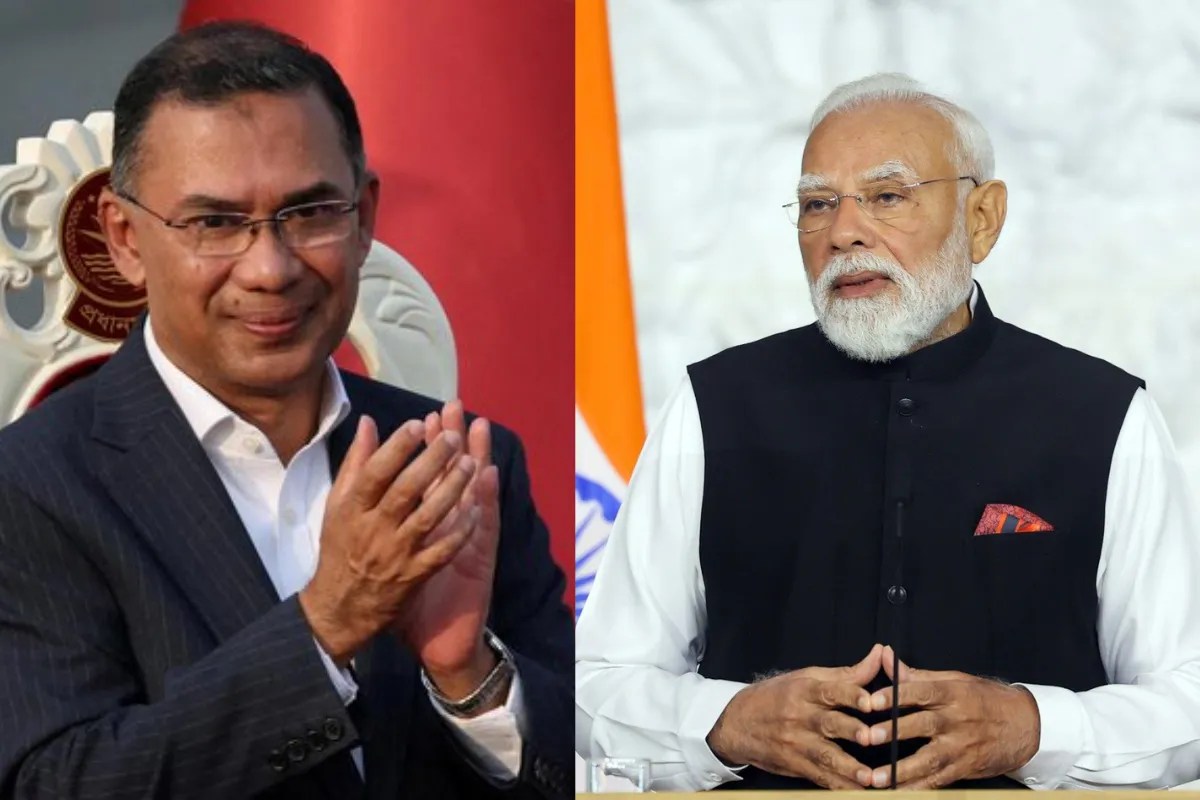
The lazy consensus in mainstream media treats foreign policy like a playground turf war. You bow in Beijing, you must swagger in New Delhi. If you smile at China, you are supposedly flipping off India.
Every single pundit pushing the narrative about Tariq Rahman adopting a defiant posture toward India while playing nice with Beijing is missing the entire plot of South Asian statecraft. They look at diplomacy through a binary lens because nuance does not generate quick clicks.
Let us dismantle this comforting illusion right now.
The Myth of the Zero-Sum Neighbor
I have spent years watching regional analysts trip over themselves trying to categorize every shift in Dhaka as either pro-China or pro-India. It is a childish framework.
When a nation of over 170 million people sits at one of the most crowded geopolitical intersections on the planet, survival dictates tactical hedging, not emotional allegiance. Rahman, like any pragmatic leader steering a fast-growing economy, does not care about your petty regional optics. He cares about port infrastructure, garment exports, foreign currency reserves, and keeping the lights on.
The common complaint from New Delhi think tanks is simple: Bangladesh takes Chinese loans and defense equipment, yet expects open borders and trade concessions from India.
Here is the brutal truth nobody wants to say out loud. India does not need subservience from Dhaka; it needs stability. And stability means allowing Bangladesh to diversify its partnerships without triggering a nervous breakdown in South Block.
True statecraft looks less like a high school loyalty pledge and more like a high-stakes poker game where every player holds multiple bad cards.
Why Beijing and Delhi Are Both Being Played
Let us look at the mechanics of how middle powers actually operate. Beijing offers deep pockets, rapid infrastructure delivery, and no pesky lectures on internal governance or human rights. That is attractive when you need a deep-sea port or a power grid overhaul yesterday.
At the same time, India offers immediate geographic integration, shared river basins, massive medical tourism inflows, and cultural proximity that cannot be outsourced to the South China Sea.
To assume that cozying up to one automatically means hostility toward the other is to misunderstand the DNA of modern non-alignment. Rahman is not "acting tough" against India to appease Beijing; he is carving out domestic political breathing room. In Bangladeshi politics, standing up to the regional giant is an old, reliable way to consolidate domestic nationalism. Every politician in Dhaka pulls that lever sooner or later. Pretending it is a novel crisis is either rank amateurism or deliberate fear-mongering.
The Cost of Misreading Dhaka
When media outlets frame bilateral friction as an existential showdown, policy makers start making garbage decisions based on injured pride rather than cold national interest.
If New Delhi reacts to every independent diplomatic overture from Bangladesh with petulant trade restrictions or border friction, it achieves the exact opposite of its strategic goals. It pushes Dhaka further into the orbit of Chinese debt diplomacy.
Conversely, if Dhaka assumes it can weaponize Beijing's footprint to endlessly extract concessions from India without consequence, it risks waking up to a heavily militarized and deeply suspicious northern neighbor.
The real question nobody is asking: What happens when the infrastructure loans come due and neither neighbor wants to bail out a stagnant export sector?
Forget the theater of who bowed where. Watch the foreign exchange reserves, the garment order books, and the energy supply lines. Everything else is just noise designed to keep you distracted while the adults negotiate behind closed doors.
Stop looking for enemies where you should be looking for balance sheets.