The glow of a smartphone screen at 3:00 AM is a lonely kind of light. It’s the light of a world where the line between the sacred and the profane has not just blurred, but dissolved entirely. When Donald Trump sat in the quiet of his own digital fortress to fire off a volley of insults at the Bishop of Rome, he wasn't just critiquing a policy. He was testing the structural integrity of an ancient institution against the chaotic power of the modern algorithm.
The words were sharp. "Terrible and weak." This was the President’s verdict on Pope Francis, specifically regarding the Vatican’s stance on the escalating tensions surrounding a potential conflict in Iran. But the rhetoric was only the secondary shockwave. The primary blast came in the form of a manufactured image: an AI-generated rendering of Trump himself, draped in the iconography of Jesus Christ.
Politics has always been a theatre of the absurd, but this was something different. This was a collision of the infallible and the viral.
The Iconography of the Ego
Think of the Sistine Chapel. Imagine the years of physical toll, the crane of the neck, the meticulous application of pigment to plaster that defines the intersection of human talent and divine aspiration. Now, compare that to a prompt typed into a generator in under ten seconds. The AI image Trump shared wasn't just a meme; it was a claim to a specific kind of spiritual real estate.
By positioning himself as a messianic figure while simultaneously dragging the Pope into the mud of a geopolitical spat, Trump attempted a hostile takeover of moral authority. To his base, the image of a "Warrior Jesus" with his own features is a comforting badge of strength. To the Vatican, it is a digital desecration.
The Pope did not stay silent. Francis, a man who has spent his papacy trying to pivot the Church away from the rigid dogma of the past and toward a "culture of encounter," found himself forced into a culture of confrontation. The Vatican’s response was not a shout, but a measured, icy correction. It was the sound of a two-thousand-year-old institution reminding a populist leader that while presidents are temporary, the Word—and the office of Peter—is meant to be eternal.
The Iran Powder Keg
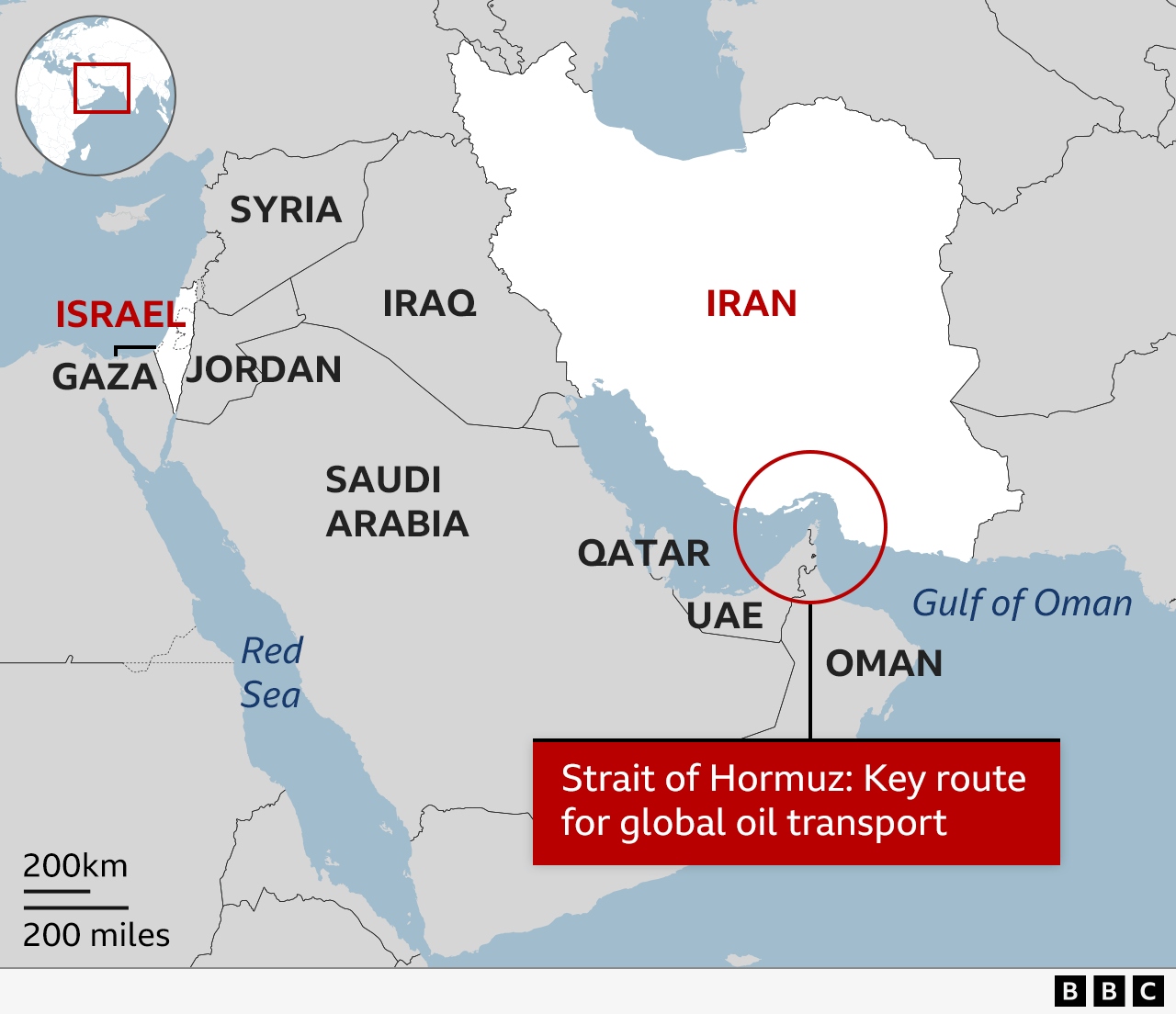
Behind the name-calling lies a terrifying reality that affects millions who will never see a Truth Social post. The disagreement over Iran isn't academic. It is a matter of blood and soil. Trump’s "weak" label for the Pope stems from the Vatican's persistent refusal to endorse military intervention as a solution to Middle Eastern instability.
Francis views war as a failure of the human spirit. Trump views the refusal to go to war as a failure of the national will.
Consider a hypothetical family in Tehran. They do not care about AI-generated images or the Twitter-style spats of Western leaders. They care about the price of bread and the sound of sirens. When a President calls a religious leader "weak" for seeking peace, he is signaling to the world that the era of diplomacy is an inconvenience. He is arguing that the only language the world understands is the language of the fist.
The Pope’s pushback wasn't just about defending his own ego. It was an attempt to preserve the very concept of the "just peace." In the Vatican’s eyes, calling for restraint in Iran isn't a sign of cowardice; it is the ultimate form of bravery in a world that is addicted to the rush of conflict.
The Ghost in the Machine
The most unsettling element of this saga is the AI. We are living through a period where the truth is no longer a shared baseline. When a political leader shares a fake image of themselves as a deity, they are participating in a grand gaslighting of the public consciousness.
It starts with a laugh. A meme. A "tongue-in-cheek" post. But the cumulative effect is a thinning of the veil. If we can't agree on what a person looks like, how can we agree on what a person says? If a leader can manufacture his own divinity with a few lines of code, the traditional gatekeepers of morality—like the Church—become obstacles to be cleared away.
The Pope’s "hit back" was essentially a warning about this new reality. He wasn't just arguing about Iran; he was arguing for the sanctity of the real. In a world of deepfakes and instant outrage, the slow, deliberate process of faith and diplomacy feels agonizingly out of step. It’s supposed to be.
The Weight of the Ring
There is a specific gravity to the Papacy that American politics often fails to grasp. When Francis speaks, he speaks for a billion people across every continent, many of whom live in the crosshairs of the very wars politicians discuss from the safety of armored cars.
Trump’s critique of the Pope as "weak" assumes that power is only measured in megatons and military budgets. Francis argues that power is measured by the ability to hold back the tide of violence. It is a clash of definitions. One man sees the world as a series of deals to be won or lost; the other sees it as a fragile garden that we are failing to tend.
The use of the AI image was a masterstroke of distraction. While the media obsessed over the blasphemy of the Christ-like depiction, the underlying message—that the leader of the Catholic Church is an enemy of the state because he prefers peace to war—began to take root. It is a dangerous precedent. It turns a spiritual leader into a political target, stripping away the traditional immunity that religious figures have held in the public square.
The Silence After the Storm
The notifications eventually stop. The screen goes dark. But the implications of this digital skirmish remain. We are entering an era where the most powerful tools of human ingenuity are being used to resurrect the most ancient of human flaws: the desire to be worshipped and the urge to destroy those who disagree.
The Pope’s response was a reminder that strength isn't found in a digital filter or a vitriolic post. It is found in the endurance of principles that refuse to bend to the whim of a news cycle. Trump may have the louder megaphone and the more advanced graphics, but the Vatican has the perspective of centuries.
In the end, the image of Trump as Jesus will be buried by the next million images generated by the same unthinking machines. The words "terrible and weak" will fade into the white noise of history. What remains is the chilling realization that we are now capable of inventing our own gods and our own demons at the touch of a button, leaving the actual humans caught in the middle to wonder if anyone is still listening to the prayers for peace.
The cross was never meant to be a campaign prop. Peace was never meant to be a sign of defeat. As the digital dust settles, the world feels a little colder, the shadows a little longer, and the truth a little harder to find in the glare of the screen.