The internet drama cycle is perfectly predictable, entirely exhausting, and fundamentally broken. When a creator uploads a video alleging a secret romance backed by a handful of cropped screenshots and pixelated photographs, the commentary ecosystem immediately splits into warring factions. One side declares the allegations absolute fact; the other claims a total conspiracy.
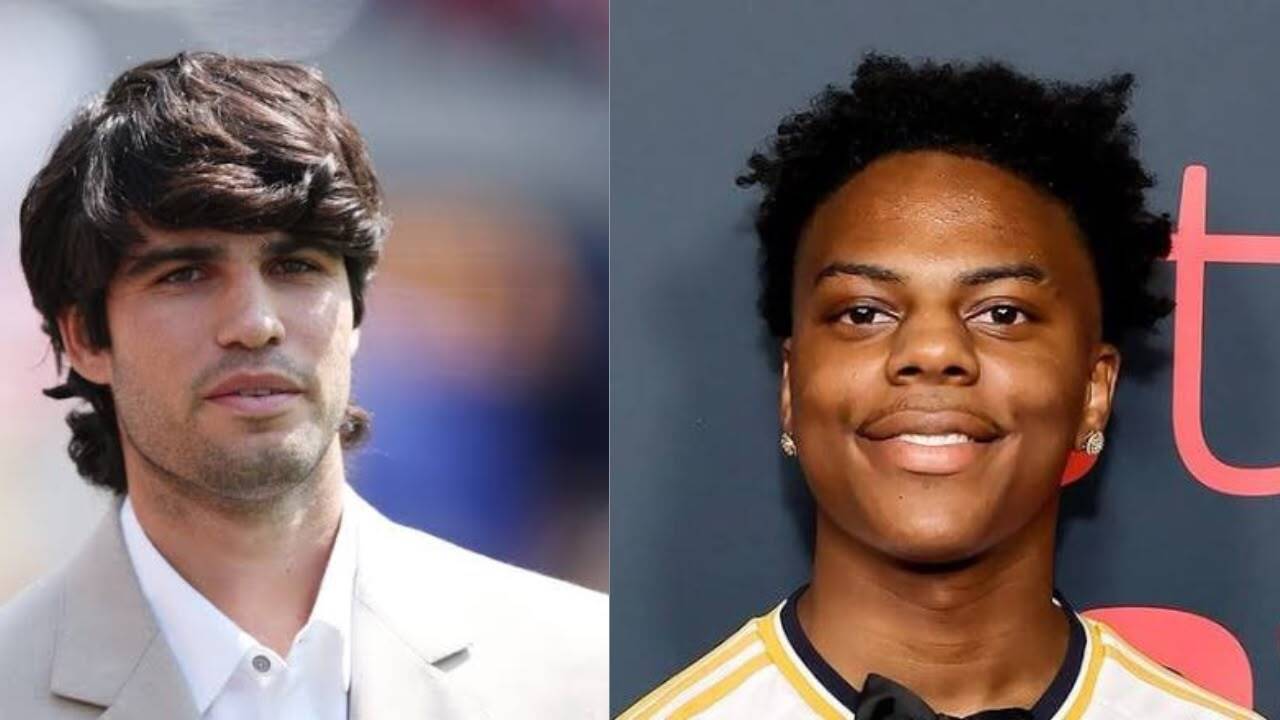
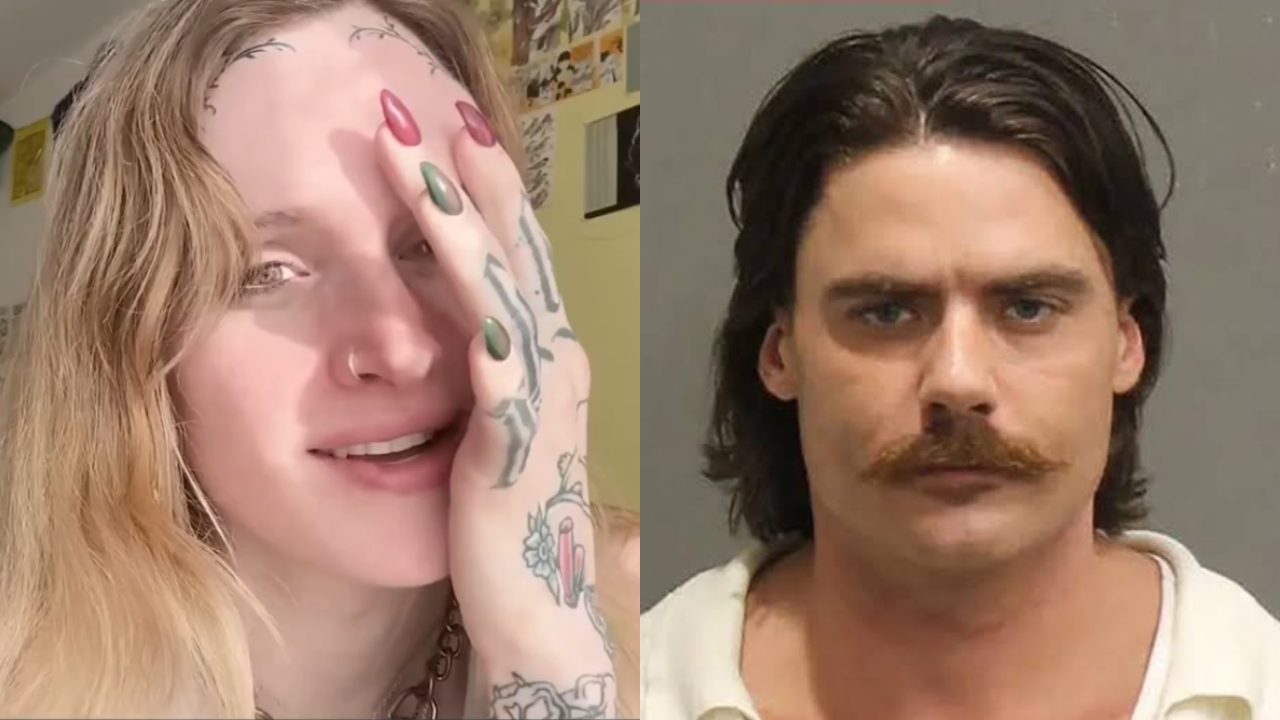
This exact script played out when creator TS Baby Jayne published a video claiming a past relationship with streamer Chudthebuilder, presenting messages and photos as definitive proof. Mainstream coverage immediately defaulted to the easiest, laziest angle: reporting on the shock value of the allegations while hand-wringing over whether digital evidence can be trusted. Meanwhile, you can find other stories here: Why Malcolm-Jamal Warner Estate Fight Is a Cautionary Tale for Every Family.
That approach misses the actual mechanics of online outrage. The real issue is not whether any specific set of screenshots is authentic. The issue is that the entire internet drama audience lacks the basic media literacy to evaluate digital evidence, choosing instead to weaponize "receipts" to validate biases they already held.
The Mirage of the Absolute Receipt
Audiences treat a screenshot or a photograph as an unassailable contract. If a picture exists, the narrative must be true. This belief ignores how easily digital assets are manipulated, stripped of context, or manufactured entirely. To explore the bigger picture, we recommend the recent analysis by Reuters.
Imagine a scenario where a sequence of text messages is completely real, but seventy percent of the conversation has been deleted to reframe a casual disagreement into something far more sinister. The pixels are genuine, but the truth is entirely absent. Anyone who has spent a week analyzing digital communications knows that a cropped message thread is often more deceptive than an outright forgery.
The obsession with raw files obscures the reality of online evidence:
- Contextual Erasure: Leaving out the timeline changes the entire meaning of an exchange.
- Selective Deployment: Releasing materials only when a target is unable to respond publicly creates an intentional narrative vacuum.
- Confirmation Bias: Audiences never demand cryptographic verification for a creator they already dislike; they only demand it when their favorite influencer is targeted.
Relying on unverified media as definitive proof is a failing strategy. True digital verification requires looking at metadata, cross-referencing systemic network logs, and analyzing full, unedited exports. The commentary community refuses to do this because actual investigation takes time, and time kills the momentum of a trending topic.
Parasocial Guarddogs and the Death of Neutrality
When drama breaks, fans do not look at the facts. They look at their loyalty chips. The reaction to these specific allegations highlights an ongoing rot in fan culture: the complete inability to hold a neutral position.
Streamer communities operate like digital tribes. When an allegation drops, the immediate defense mechanism is to attack the source, question their motives, and dismiss any supporting material without a second glance. Conversely, the detractor community accepts the allegations instantly, using them as ammunition in a long-standing culture war.
I have watched online communities burn through millions of views arguing over compressed JPEGs, and the outcome is always the same. Nobody changes their mind. The evidence is merely a prop used to justify a conclusion that was reached months prior.
The Flawed Premise of Internet Inquisitions
The standard public response to internet drama usually involves asking: "Who is telling the absolute truth here?"
That is entirely the wrong question. The correct question is: "What incentive does either party have to control the narrative right now?"
In the attention economy, drama is equity. A video detailing a personal relationship can garner massive engagement, driving traffic, subscriptions, and algorithm algorithmic favors to a channel. For the accused, maintaining total silence or issuing a blanket denial preserves their brand value among core supporters.
Treating internet personalities like public officials subject to a transparent legal discovery process is foolish. There are no rules of evidence in a YouTube video or an Instagram story. There is only performance.
Stop waiting for the definitive piece of evidence that will settle the debate once and for all. It does not exist. Digital files will continue to be leaked, cropped, and weaponized to serve immediate narrative needs. The only way to navigate this environment without destroying your own media literacy is to treat every single unverified digital receipt as a curated piece of media, rather than an objective historical document. Turn off the drama feed, stop analyzing pixels, and realize that you are being handed a script designed to keep you clicking.