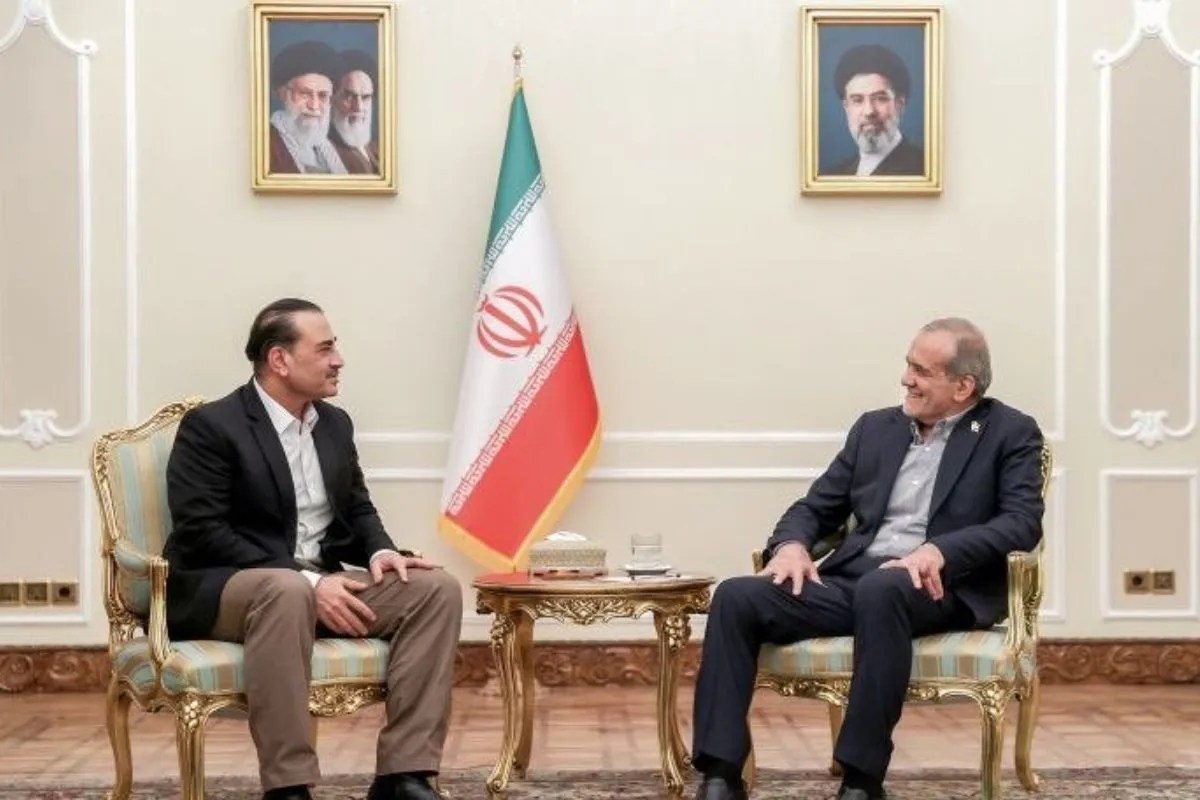
Geopolitical shuttle diplomacy operates on a precise calculus of transactional leverage and asymmetric trust deficits. When sovereign intermediaries attempt to bridge structural divides between hostile state actors, success depends entirely on their capacity to manage conflicting domestic incentives while keeping communication channels open. Recent diplomatic maneuvering involving Islamabad, Tehran, and Washington highlights the structural limits of third-party mediation in high-stakes regional security crises.
The Structural Mechanics of Third-Party Mediation
Intermediary states such as Pakistan occupy a specialized functional niche within international relations. Operating as a conduit between Washington and Tehran requires managing divergent baseline expectations. While the United States relies primarily on coercive economic instruments and military deterrence, Iran approaches bilateral channels through the lens of sovereign parity and grievance remediation over prior agreement breakdowns.
The mechanics of this shuttle diplomacy involve three distinct operational friction points:
- The verification gap regarding compliance timelines and enforcement mechanisms.
- The asymmetry of domestic political vulnerability between democratic executives and clerical leadership structures.
- The downstream disruption of critical commercial transit corridors, specifically maritime logistics in the Strait of Hormuz.
When Interior Minister Mohsin Naqvi and military leadership engage in high-level consultations in Tehran, the discussions are designed to establish procedural guardrails rather than immediate grand settlements. These diplomatic missions function as iterative calibration exercises, testing whether underlying positions have shifted enough to prevent total systemic collapse of interim frameworks.
The Asymmetry of Strategic Signaling
A central pathology of the current diplomatic deadlock is the divergence between public rhetoric and private diplomatic channels. Major powers frequently utilize public pronouncements to signal domestic resolve, which systematically undermines the quiet confidence required for technical negotiations.
Washington's deployment of maximum pressure strategies—manifested through impending economic restrictions and threats of severe financial isolation—creates an environment where tactical concessions are viewed by opposing domestic factions as systemic weakness. Conversely, Tehran evaluates Western overtures through a historical matrix of institutional mistrust, noting that intermittent diplomatic engagement has repeatedly coincided with heightened sanctions enforcement or revocation of commercial operating licenses.
This environment produces a strategic standoff governed by several predictable variables:
- Coercive signaling escalates transaction costs for secondary trading partners, forcing regional intermediaries to absorb economic friction.
- Bilateral trust deficits cause procedural milestones to be reinterpreted as bad-faith maneuvers by the opposing side.
- Regional security architectures become tightly coupled with external conflicts, linking localized de-escalation to broader geopolitical flashpoints.
Strategic Outlook and Regional Equilibrium
The durability of any mediated framework depends on aligning economic incentives with security guarantees. Without binding mechanisms that survive domestic political shifts in participating capitals, interim arrangements remain acutely vulnerable to military escalation and maritime choke-point disruptions.
The immediate trajectory hinges on whether diplomatic channels can translate procedural engagement into verifiable security baselines before structural economic pressures foreclose the space for compromise entirely.