The diplomatic machinery linking New Delhi and Dhaka is currently grinding through an uncomfortable recalibration. When the Indian High Commissioner publicly urged patience regarding a high-stakes summit between Indian Prime Minister Narendra Modi and Bangladeshi Prime Minister Tarique Rahman, noting that there was no need for artificial haste, it was not merely diplomatic boilerplate. It was an admission of a deeper structural chill.
For months, foreign policy watchers have obsessed over the logistics of a state visit. Yet, focusing strictly on calendar dates misses the deeper friction shaping South Asian geopolitics. The delay in arranging a formal bilateral summit reflects a profound negotiation over sovereignty, regional optics, and the unresolved ghost of Bangladesh's recent political upheaval. Building on this idea, you can also read: The Empty Chair at the Summit Table.
To understand why a Modi-Rahman meeting requires careful staging, one must look past the official communiques and examine the domestic tightropes both leaders are walking. Prime Minister Rahman faces intense political pressure at home to ensure that any engagement with New Delhi is structured strictly on an even keel. For years, the bilateral narrative was defined by a specific brand of political bonhomie that Dhaka's current leadership is eager to decentralize. The modern political reality in Bangladesh demands a foreign policy that projects strategic autonomy rather than regional deference.
New Delhi, meanwhile, finds itself managing complex domestic sensitivities alongside its broader strategic interests. The presence of former Prime Minister Sheikh Hasina in India has repeatedly injected friction into the diplomatic pipeline. When political platform appearances or legal maneuvers spark sharp reactions from Dhaka's foreign ministry, the fragile momentum toward normalization stutters. High-level diplomacy cannot easily bypass these emotional and political tripwires. The Indian envoy’s call for deliberation is an acknowledgement that rushing a summit without first neutralizing these flashpoints risks producing a public relations disaster rather than a breakthrough. Observers at NBC News have also weighed in on this matter.
Beneath the diplomatic friction lies a dense web of shared infrastructure that cannot be paused for political convenience. Fifty-four transboundary rivers flow between the two nations, and the looming renegotiation of vital water-sharing frameworks, such as the Ganges Waters Treaty, demands sober, technical continuity. Water resource management is an existential domestic issue for millions of farmers on both sides of the border. When political spats threaten to overshadow basin-wide cooperation, the cost is measured not in diplomatic communiques, but in ecological and agricultural vulnerability.
Security cooperation remains another foundational pillar that neither capital can afford to neglect. Cross-border insurgency risks, regional stability, and the protection of religious minorities form the bedrock of India's security calculations. Dhaka's administration has made deliberate moves to reassure New Delhi on minority security, signaling that practical cooperation can persist even while the political architecture is being redesigned.
This bifurcation between political posturing and operational necessity defines the current era of bilateral relations. India and Bangladesh are condemned by geography to be primary partners, yet they are currently choosing diplomacy by increments rather than grand gestures. Prime Minister Modi has signaled that an eventual visit will be treated with high diplomatic honor, and New Delhi's standing invitation remains firmly on the table.
Yet, neither side benefits from a staged summit that papers over structural divergences. True strategic stability requires Dhaka and New Delhi to transition from personality-driven diplomacy to institutionalized pragmatism. Until both capitals settle the terms of a partnership based entirely on mutual parity, the high commissioner's advice remains the most accurate assessment in diplomacy: rushing the timeline only guarantees that the foundations will crack under pressure.
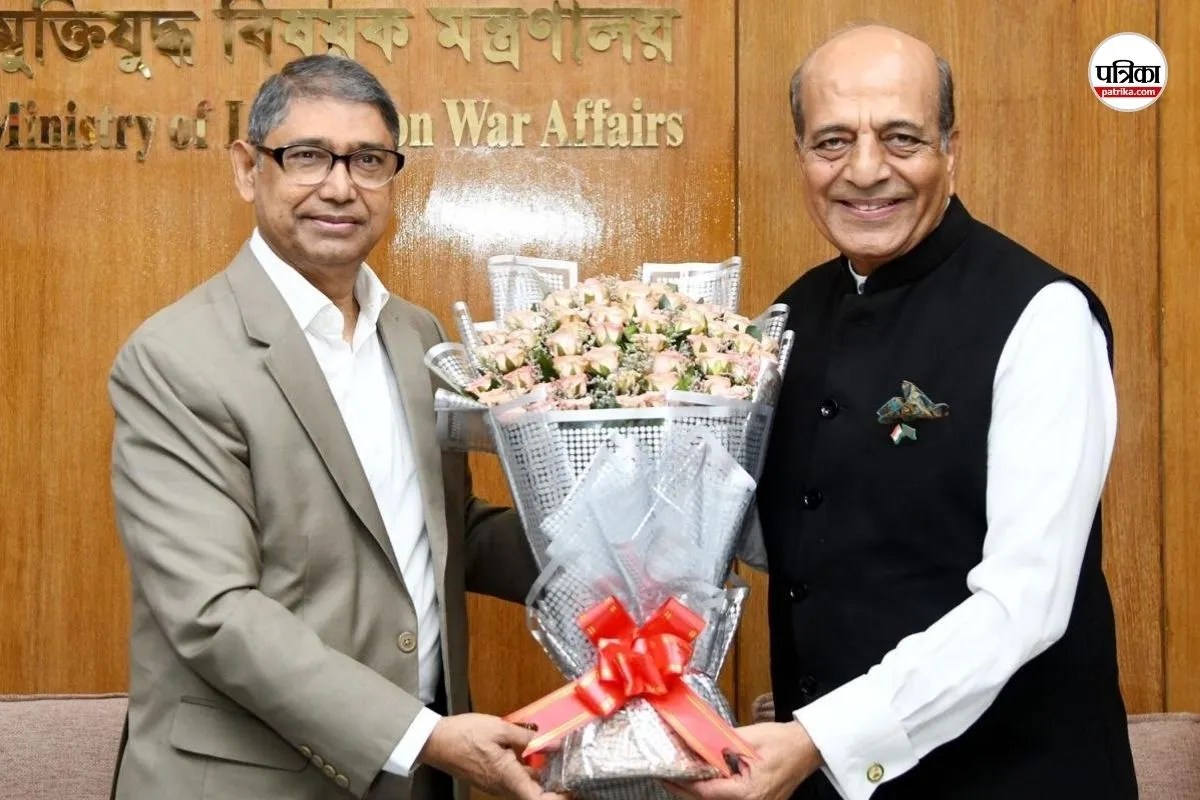
India-Bangladesh Ties: High Commissioner Pranay Verma Meets PM Tarique Rahman
This video provides context on the ongoing diplomatic exchanges and high-level meetings between Indian diplomatic representatives and Bangladesh leadership aimed at navigating current bilateral challenges.