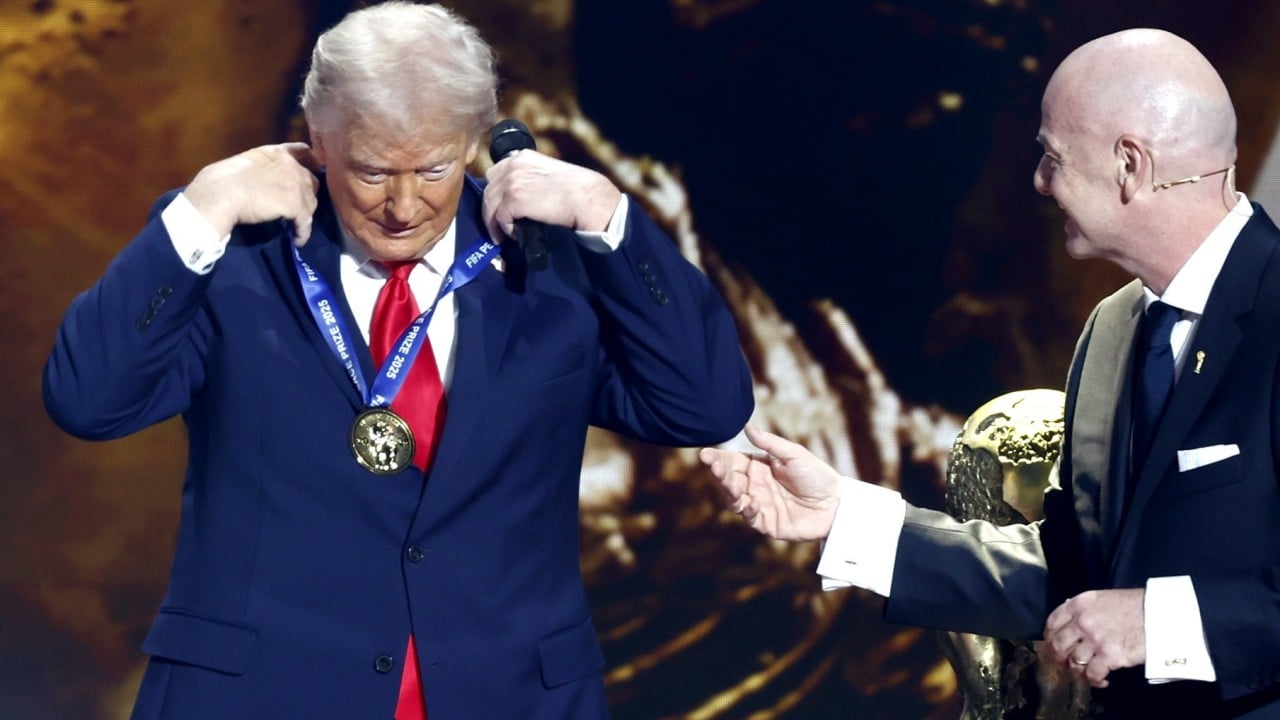
Every few months, the conversation circles back to the same place. Donald Trump wants a Nobel Peace Prize, and he is entirely unapologetic about saying so out loud. While most politicians brush off international awards with rehearsed humility, Trump treats the snub as a personal grievance and a glaring example of institutional bias.
If you've followed his rallies or press conferences over the years, you've heard the routine. He points to foreign policy deals, complains about the media ignoring his diplomatic achievements, and insists he deserves the honor just as much—if not more—than past American presidents who took home the medal. But beneath the bravado lies a deeper look at how political validation works on the global stage, and why Oslo's famous committee keeps looking the other way.
The Case Trump Makes for Himself
To understand why Trump believes he deserves the prize, you have to look at the specific diplomatic milestones his supporters and international allies point to. Multiple nominations have come his way courtesy of conservative European lawmakers and figures citing agreements like the Abraham Accords, which normalized relations between Israel and several Arab nations.
His defenders argue that bypassing traditional, slow-moving diplomatic channels yielded breakthroughs that decades of conventional foreign policy failed to touch. When foreign leaders praise those efforts, Trump takes it as concrete proof of success. From his perspective, brokering peace deals without starting new foreign wars is the textbook definition of what the Nobel Peace Prize was built to reward.
Yet, translating unconventional diplomacy into a medal from a Norwegian committee is an entirely different beast.
Why the Nobel Committee Is Unlikely to Budge
The Norwegian Nobel Committee operates behind a veil of strict secrecy, but its underlying philosophy rarely aligns with populist political styles. Historically, the prize favors multilateral institution-building, formal treaties backed by global bodies like the United Nations, and long-term humanitarian commitments.
Trump's approach relies heavily on personal deal-making, transactional pressure, and a habit of dismantling existing international pacts—such as the Iran nuclear deal or the Paris Climate Accord. To the establishment in Oslo, those actions look less like global harmony and more like diplomatic disruption.
Furthermore, domestic polarization plays a massive role. Past U.S. presidents who won the prize, such as Barack Obama in 2009, faced heavy criticism for receiving it early in their terms, but Obama's internationalist ethos fit the traditional profile the committee tends to embrace. Trump's "America First" doctrine represents the exact ideological opposite of what traditional international organizations celebrate.
The Politics of Grievance
What makes this ongoing saga fascinating isn't just the award itself; it's how Trump weaponizes the rejection. By openly questioning why he hasn't won, he feeds directly into a broader narrative that elite global institutions are rigged against outsiders.
When he complains that the media downplays his foreign policy wins while hyping up predecessors, he taps into a well of populist frustration. It doesn't matter that thousands of people—from university professors to national lawmakers—can legally submit nominations, meaning a nomination itself carries very little institutional weight. To his base, the mere act of being nominated is a badge of honor, and the eventual rejection is just proof of political bias.
Ultimately, the prize remains out of reach because the criteria used in Oslo fundamentally clash with the political identity Trump built his career on. He will likely keep talking about it, and his critics will keep rolling their eyes, but the deadlock captures the widening gulf between populist nationalism and the traditional global establishment.



