The Invisible Threat Over Eastern Europe
Airspace above conflict zones has a way of turning routine diplomatic missions into high-stakes gambles. When reports surfaced that a drone nearly collided with an aircraft carrying Ukrainian leadership, the global security apparatus barely blinked. That normalization of near-disaster represents a dangerous shift in how contemporary warfare intersects with international statecraft.
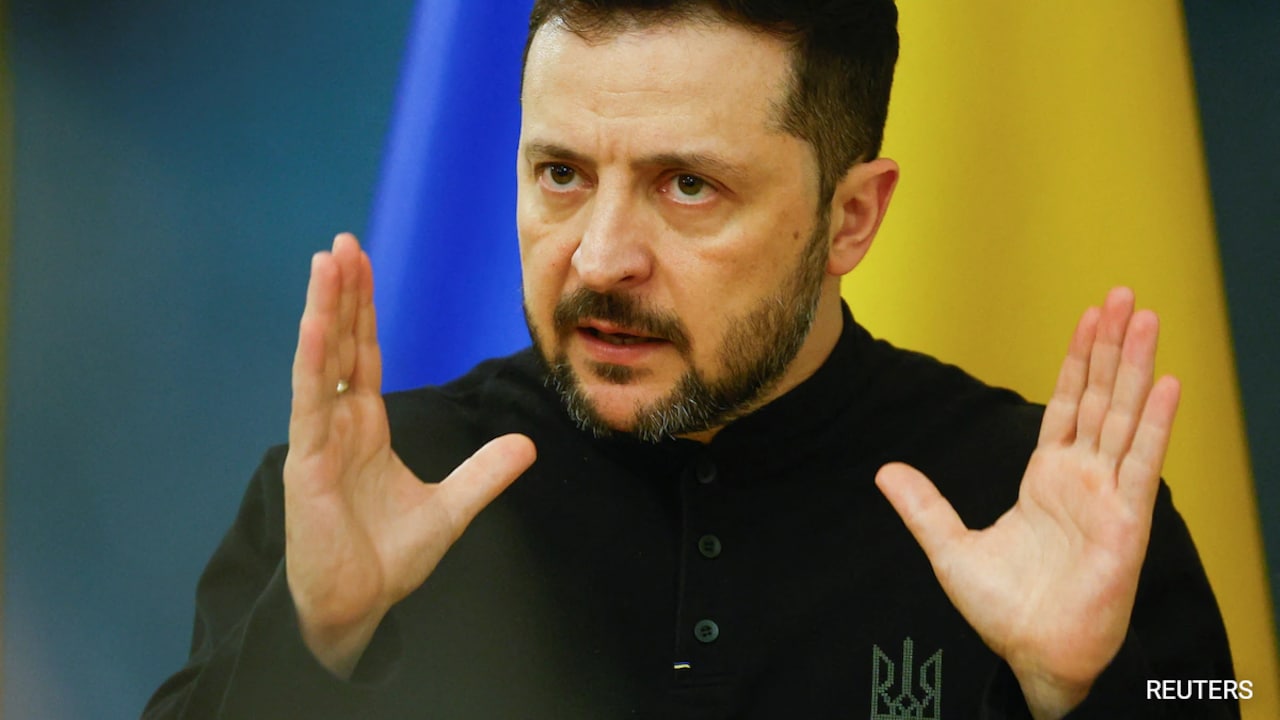
An unmanned aerial vehicle crossing paths with a state aircraft transporting a head of state is not a mere navigational mishap. It exposes the terrifying margins of error governing modern aerial defense networks. When Norwegian officials confirmed the close call involving Volodymyr Zelensky's plane, they exposed an uncomfortable truth. The invisible line separating civilian and diplomatic transit from active combat zones has dissolved completely.
Anatomy of an Aerial Near-Miss
The mechanics of modern airspace management during an active war rely on transponders, encrypted communication channels, and heavily monitored corridors. Yet, the proliferation of low-cost loitering munitions and reconnaissance drones has saturated the skies above Eastern Europe. These systems lack the sophisticated transponder suites of commercial airliners. They operate on low radar cross-sections, making them notoriously difficult to classify in crowded tactical environments.
Consider how a standard interception plays out. Air defense batteries track hundreds of unidentified returns daily. Operators must rapidly distinguish between stray commercial traffic, migratory flocks, and hostile ordnance. When a diplomatic flight moves through adjacent sectors, the margin for a miscalculated vector shrinks to zero.
- Saturated Skies: Thousands of uncrewed platforms operate concurrently, clogging radar tracks.
- Acoustic and Thermal Blindness: Small electric motors leave minimal heat signatures until they are dangerously close.
- Communications Lag: Secure diplomatic clearances often move slower than the tactical decisions required by frontline air defense units.
The Protocol Failure of Wartime Travel
Moving a wartime president across international borders requires a delicate choreography of secrecy and coordination. Intelligence agencies scrub manifests, alter call signs, and route aircraft through circuitous paths to avoid contested corridors. Despite these precautions, the sheer density of electronic warfare interference creates blind spots.
Jamming systems deployed by both sides saturate the radio frequency spectrum. When GPS spoofing and electronic countermeasures degrade onboard navigation aids, pilots must rely on backup instruments and ground control vectors. A drone drifting off course due to signal scrambling can easily wander into corridors designated for high-value state transport.
The incident involving the Norwegian Prime Minister's public acknowledgment highlights the tension between operational security and diplomatic transparency. Governments prefer to suppress such near-misses to avoid escalating panic or validating adversary capabilities. Yet, sweeping these events under the rug breeds complacency. Every unrecorded close call increases the probability of a catastrophic miscalculation.
Shifting Norms of State Immunity
Historical precedent dictates that heads of state moving outside active combat zones enjoy a tacit veil of protection. International law recognizes the sanctity of diplomatic aircraft. Modern asymmetric warfare respects no such legal frameworks.
Non-state actors, proxy militias, and automated weapon systems do not possess the situational awareness or the political restraint required to recognize diplomatic immunity. When autonomous guidance algorithms dictate a drone's terminal phase, the machine does not read flight manifests. It tracks radar contrast or radio frequency emissions.
This technological reality forces a radical redesign of diplomatic transit. Air corridors must be widened, escort protocols re-evaluated, and electronic identification methods overhauled. Relying on traditional diplomatic channels is no longer sufficient when the primary threat comes from autonomous or semi-autonomous hardware operating at the edge of network connectivity.
The Cost of Complacency
Every narrow escape feeds a dangerous narrative of invulnerability. Leaders survive an encounter with a stray munition, adjustments are made behind closed doors, and the schedule resumes. This cycle ignores the cumulative nature of risk. Probability dictates that an unchecked variable will eventually align with disaster.
The skies over Europe remain a laboratory for the future of conflict. As long as state leaders continue to travel into active diplomatic hubs near active fronts, the risk profile will remain elevated. Acknowledging the near-miss is merely the first step. Securing the future of wartime diplomacy requires confronting the reality that the airspace has fundamentally changed, and the old rules of engagement offer no protection against the drone overhead.


