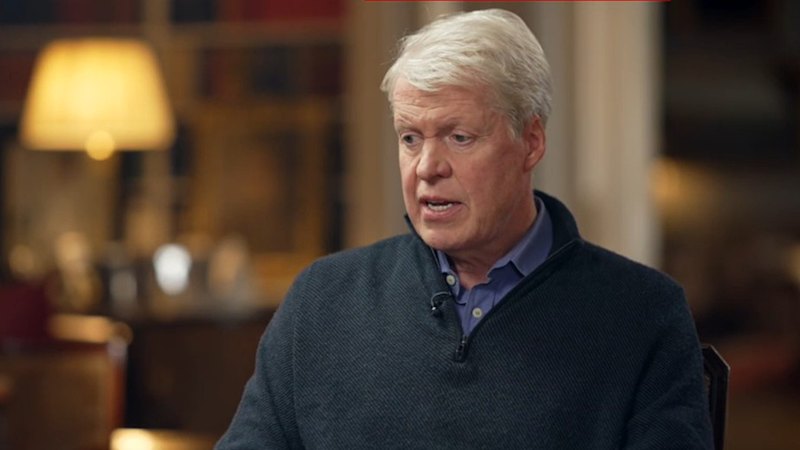
Decades after a tragedy reshaped the British monarchy, the walls of silence are cracking. Charles Spencer isn't letting go of what he heard. When Diana's younger brother released his memoir Swan Song: Diana, My Sister, he reopened old wounds that the institution spent twenty-nine years trying to stitch shut. At the center of the storm is a brutal phone call about Princess Diana's funeral. According to Spencer, the then-Prince Charles delivered a chilling dismissal during an argument over whether young Princes William and Harry should walk behind their mother's coffin.
Buckingham Palace did something rare in response. Instead of staying silent behind their traditional "never complain, never explain" mantra, officials pushed back. They suggested that grief distorts memory. Spencer didn't flinch. In subsequent interviews at his Althorp estate, he fired back with absolute certainty, insisting he is telling the truth and that those were the exact words used.
The Anatomy of a Royal Fallout
Memory is a fragile thing, but trauma creates sharp edges. Spencer argues he was hyper-alert during that chaotic week in September 1997. He claims that after clashing over the funeral procession details, Charles paused, composed himself, and allegedly uttered: "We'll forget her soon enough."
For anyone watching the monarchy from the outside, the clash highlights a deeper truth about how royal history gets written. The Palace's rebuttal relied heavily on an adjusted version of the late Queen Elizabeth II's famous phrase, noting that fraternal grief can cloud reason and color memory. It is a sophisticated way of calling someone a liar without using the word. Yet Spencer maintains he told friends and family immediately after it happened because he found the remark monstrous. When two sides remember the same historical crisis with such violent contradiction, someone isn't just misremembering. Someone is protecting a legacy.
What the Memoir Reveals About the Windsor Dynamic
The book goes far beyond a single phone call. It pulls back the curtain on Diana's final years, her deep struggles with mental health, and her pre-wedding doubts. But the raw nerve of the public debate remains focused on the immediate aftermath of her fatal car crash in Paris.
Spencer paints a picture of a household more concerned with optics and protocol than the psychological survival of two grieving boys. Prince Harry has talked openly about the trauma of walking behind that casket in front of millions of television viewers. By putting these memories on paper, Spencer is validating those old wounds while giving royal PR teams a massive headache.
Public figures rarely admit fault when institutional survival is on the line. When memoirs like this drop, they force the public to choose between polished official narratives and raw, messy personal accounts. Spencer isn't asking for permission to speak his mind anymore. He is simply daring anyone to prove him wrong.