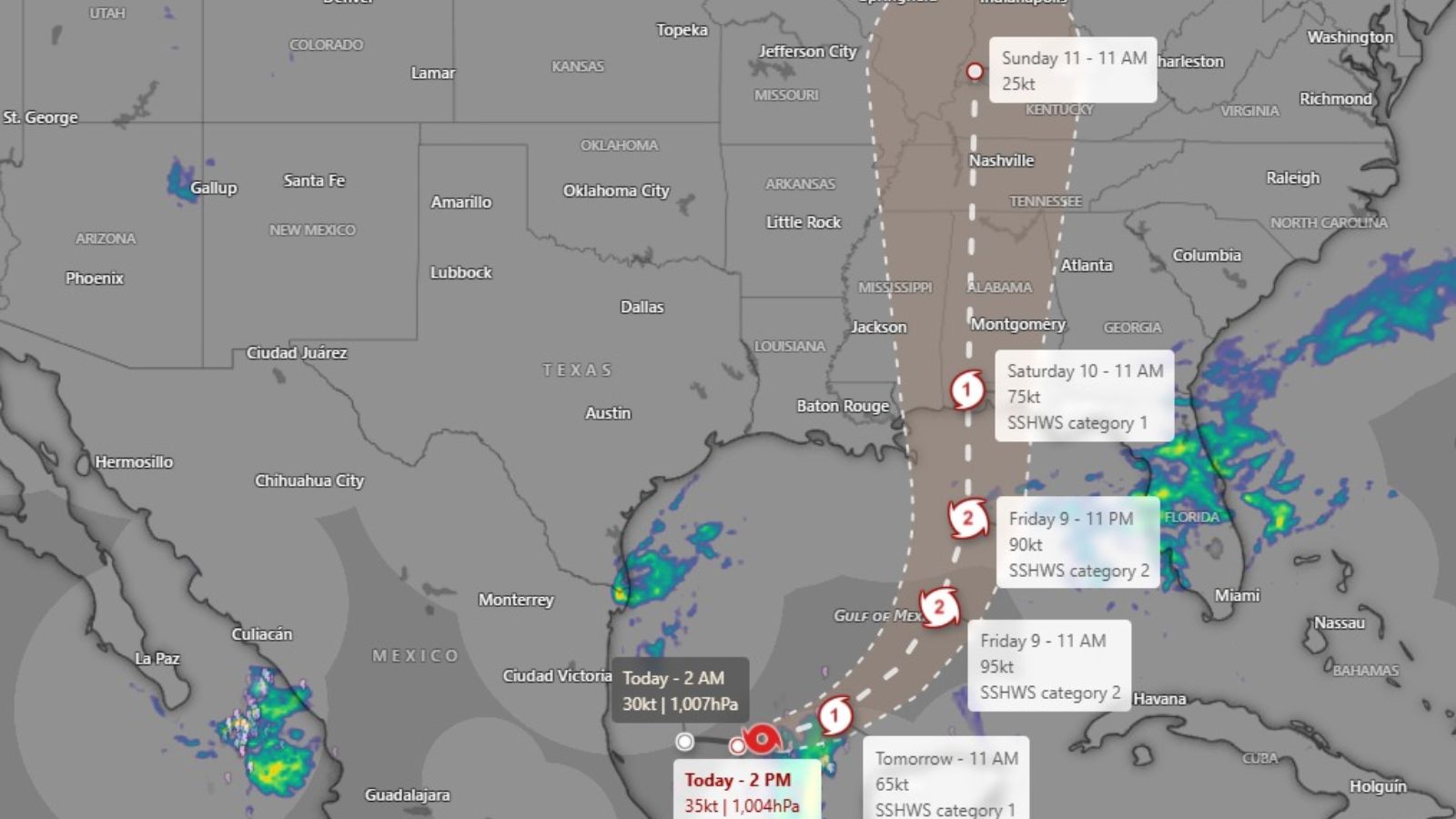
Tropical Storm Isaias threatens the southern United States with destructive winds and torrential rainfall, forcing the State of Florida to declare a formal state of emergency. As the 2026 Atlantic hurricane season begins to accelerate, meteorologists track atmospheric pressure drops and surface temperature anomalies across the Caribbean basin. Emergency management teams scramble to preposition supplies, clear drainage canals, and issue mandatory evacuation notices for low-lying barrier islands. Coastal residents face familiar anxieties as local authorities mobilize shelter networks and coordinate supply chains before landfall occurs.
Emergency declarations unlock critical financial resources and logistical capabilities. Governor Ron DeSantis signed executive orders authorizing the National Guard to stage high-water vehicles and mobile command units across high-risk counties. Federal Emergency Management Agency officials coordinate directly with state dispatchers to ensure fuel reserves remain stable despite panic buying at local gas stations. Supply chains tested by past weather disasters now operate under stringent protocols designed to prevent bottlenecks along evacuation corridors. These administrative mechanisms matter immensely during the crucial forty-eight-hour window preceding severe wind impacts.
Warm ocean waters serve as the primary fuel source for developing tropical cyclones. Sea surface temperatures across the tropical Atlantic and the Gulf of Mexico exceed seasonal averages by nearly two degrees Fahrenheit, creating an environment exceptionally favorable for rapid intensification. Shear values remain relatively low, allowing convective storm bands to wrap tightly around a consolidating low-pressure center. Atmospheric moisture content sits well above normal thresholds, guaranteeing prolific rainfall totals that frequently trigger catastrophic inland flooding long after peak wind speeds subside.
Infrastructure vulnerabilities compound the threat profile across densely populated coastal sectors. Storm surge modeling indicates that low-lying municipal areas face inundation risks exceeding standard historical baselines due to rising sea levels and aged stormwater management networks. Power distribution grids, heavily reliant on overhead lines running through dense tree canopies, face imminent widespread failure once sustained tropical storm-force winds arrive. Utilities maintain staging yards for out-of-state repair crews, yet restoration timelines often stretch across multiple weeks when outages span multiple counties simultaneously.
Coastal property insurance markets experience severe strain as frequency and severity metrics deteriorate. Homeowners across Miami-Dade, Broward, and Palm Beach counties confront escalating premium spikes alongside reduced carrier capacity. Reinsurance costs driven up by global catastrophe losses filter directly down to individual policyholders, creating an affordability crisis for working-class families residing within coastal flood zones. Private insurers scale back coverage limits or withdraw entirely from high-risk flood-prone zip codes, leaving state-backed insurers of last resort holding billions of dollars in structural exposure.
Evacuation planning requires balancing public safety against severe economic disruption. Mandatory orders issued for mobile home communities and barrier islands drive millions of motorists onto interstate highways, where gridlock routinely paralyzes evacuation routes. Local municipalities attempt to implement contraflow lane reversals on major arteries, yet vehicle volumes frequently overwhelm road capacity. Public officials weigh the financial toll of shutting down commercial enterprise against the human cost of delayed evacuation warnings, a calculus made increasingly difficult by unpredictable storm track shifts.
Meteorological forecasting models have improved dramatically over the past decade, yet track uncertainty remains a persistent challenge during the formative stages of cyclonic development. Ensemble prediction systems evaluate dozens of computer simulations to determine probability cones, accounting for subtle variations in steering currents and upper-level atmospheric pressure ridges. Emergency managers must make high-stakes operational decisions based on probabilistic forecasts rather than absolute certainties, balancing the financial waste of unnecessary evacuations against the catastrophic risk of underpreparedness.
Long-term resilience initiatives face persistent bureaucratic and political hurdles. While structural hardening projects such as elevated substations, reinforced seawalls, and expanded retention basins provide measurable protection, funding mechanisms remain fragmented and highly politicized. Municipalities struggle to secure federal matching grants for large-scale mitigation efforts while grappling with tax base constraints. Communities continue to debate managed retreat strategies for chronically flooded neighborhoods, prioritizing short-term economic growth over climate adaptation realities.
Community preparedness levels vary wildly across different demographic segments. Affluent homeowners frequently retain independent resources, generators, and private contractors to secure their properties, whereas lower-income renters and marginalized populations often lack the financial liquidity required to evacuate safely or replace spoiled food after extended grid failures. Mutual aid networks and community grassroots organizations frequently step in to fill critical support gaps, distributing bottled water, tarps, and hot meals to neighborhoods overlooked by official relief staging sites.
Recovery operations extend far beyond the immediate aftermath of wind and water impacts. Small businesses dependent on seasonal tourism face devastating revenue losses during extended recovery windows, threatening local economic stability. Debris removal logistics alone consume months of municipal labor and financial reserves, straining local tax revenues and delaying municipal capital improvement projects. As Isaias continues its track toward the coast, the unfolding emergency underscores the mounting toll exacted by increasingly volatile weather patterns across the American coastline.