Capital expenditure on historic venues rarely follows standard commercial payback models. When a century-old asset undergoes major overhauls, the financial calculus relies on balancing historical fidelity with operational throughput. The recent completion of the fifteen-month, thirteen-million-dollar modernization of the Wichita Orpheum Theatre provides a clear case study in how capital allocation, structural engineering constraints, and community endowment intersect within historic real estate.
The Dual Mandate of Historic Capital Projects
Restoring a venue built during the early phase of atmospheric theatre design requires navigating two competing cost functions. The primary mandate prioritizes material and aesthetic authenticity, demanding specialized labor to clean, repair, and replicate fragile plasterwork, historic paint schemes, and distinct decorative elements. The secondary mandate forces compliance with modern life-safety codes, patron comfort standards, and performer technical requirements. Also making news recently: The Great Divergence Behind the IMF Growth Forecasts.
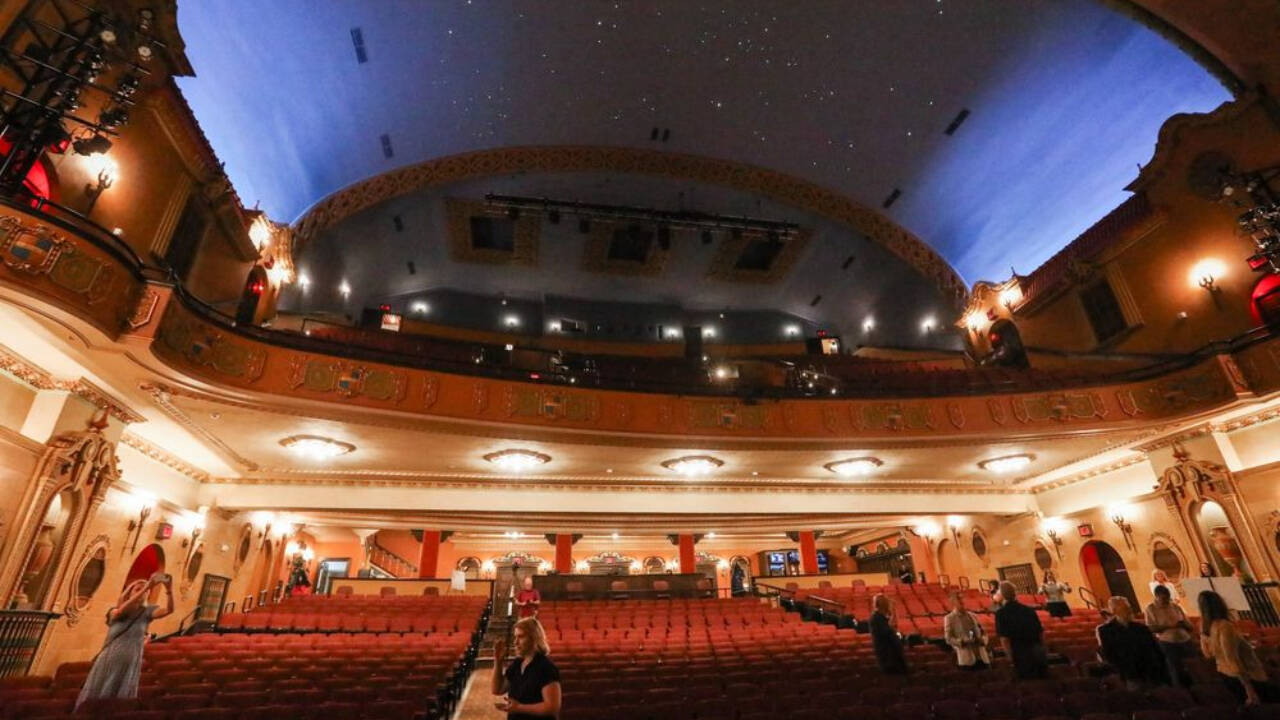
In the case of the Orpheum, these mandates manifested in specific operational choices. The project team utilized a massive scaffolding footprint—consisting of over 150,000 pounds of equipment—to reach upper walls and ceilings safely without compromising fragile structural elements. Concurrently, infrastructure investments targeted unseen bottlenecks: outdated electrical rigging, heating, ventilation, and air conditioning systems for the balcony and stage, and tiered seating configurations designed to meet modern accessibility requirements.
Funding Volatility and Cost Management
Capital campaigns for historical cultural assets face unique cost inflation pressures, notably supply chain friction, material tariffs, and labor shortages in specialized restoration crafts. Initial fundraising targets often lag behind realized execution costs due to latent structural defects discovered only after invasive investigation begins. More insights regarding the matter are detailed by Investopedia.
The Orpheum project managed budget expansion from an initial target of nine million dollars to a final expenditure of thirteen million by extending the design development phase to eighteen months. This extended planning window minimized unexpected field changes. However, relying entirely on private donations and philanthropic capital introduces cash flow intermittency. To mitigate long-term structural insolvency, a portion of the capital strategy incorporated the establishment of a dedicated maintenance endowment. This shifts the financial model away from a cycle of reactive emergency fundraising toward predictable capital expenditure reserves.
Operational Throughput and Revenue Generation
A historic theatre cannot survive as a museum piece; it must generate operational revenue through ticket sales, private rentals, and corporate events. The physical constraints of a 1922 footprint limit maximum capacity and seat pitch compared to modern multiplexes. Upgrading seating configurations from second-hand inventory to optimized plush seating while introducing ADA platforms represents a deliberate trade-off between absolute seat count and per-patron yield.
Furthermore, integrating modern LED and fiber-optic technology into historical elements—such as the roughly 125 stars on the auditorium ceiling—reduces energy overhead and maintenance costs while maintaining the illusion of an open-air Spanish courtyard. Modernizing the backstage rigging and dressing rooms directly expands the venue's addressable market for touring headliners, reducing technical rider rejections that previously restricted booking options.
Long-Term Asset Sustainability
The economic viability of a restored cultural anchor depends on establishing a continuous feedback loop between community engagement and institutional asset management. The creation of a dedicated capital endowment ensures that cyclical maintenance—such as HVAC servicing, roof integrity checks, and plaster remediation—does not defer into catastrophic structural failure. Future fiscal health relies on disciplined cost containment, precise calendar utilization balancing high-margin commercial bookings with community programming, and adherence to strict maintenance schedules that protect the initial capital investment from premature degradation.