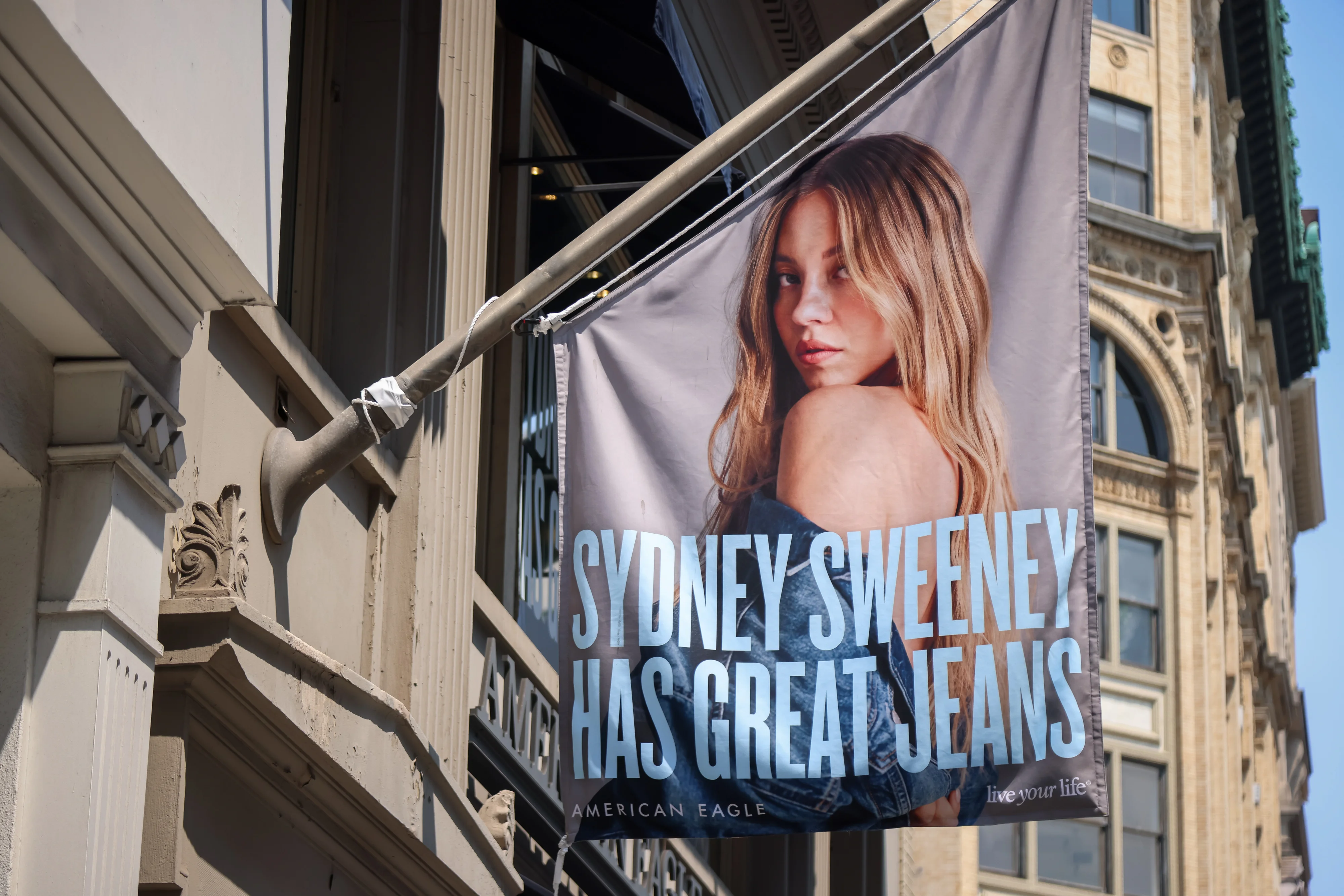
Celebrity-endorsed apparel campaigns generate billions in top-line revenue by converting cultural capital into retail velocity, yet the financial architecture of these endorsements relies directly on cost suppression at the bottom of the manufacturing supply chain. When high-profile talent such as Sydney Sweeney fronts a major denim campaign—whether for legacy heritage brands like Guess or mass-market titans like American Eagle—the resulting media saturation obscures the structural reality of garment production. Consumers absorb the aesthetic narrative of effortless luxury and personal agency, while the physical creation of those garments remains governed by razor-thin unit economics, fragmented tier-three subcontracting, and systemic wage suppression across the Global South. Understanding this dynamic requires stripping away public relations framing and examining the exact operational mechanisms connecting front-end marketing spend to back-end labor extraction.
The Capital Allocation Asymmetry in Modern Apparel
To evaluate how a celebrity denim campaign operates financially, one must examine the unit economics of a standard pair of mid-market or premium jeans retailing between $80 and $180. In contemporary apparel management, gross margin protection dictates every operational decision from fiber procurement to retail floor placement.
The Cost Function of a Retail Garment
The retail price of a pair of jeans is rarely a reflection of production cost; rather, it is a function of brand positioning and customer acquisition cost (CAC). Across standard industry benchmarks, the breakdown of a $100 pair of denim follows a rigid allocation model:
- Retail Markup and Overhead (50% to 60%): Absorbs brick-and-mortar leases, e-commerce infrastructure, logistics, and corporate executive compensation.
- Marketing and Brand Equity Spend (10% to 15%): Funds digital acquisition, editorial placements, and multi-million-dollar celebrity talent retainers.
- Raw Materials and Hardware (12% to 18%): Covers raw cotton, synthetic elastane blends, indigo dyes, rivets, zippers, and leather or synthetic patches.
- Cut-Make-Trim (CMT) Factory Price (8% to 12%): The total fee paid to the manufacturing facility to assemble the garment.
- Direct Garment Worker Wages (1% to 3%): The actual compensation received by the human beings operating the industrial sewing machines, laser distressing units, and chemical wash vats.
This cost structure creates a zero-sum tension. Because retail price ceilings are constrained by consumer price elasticity, any expansion in the marketing budget—such as securing an A-list actor at the peak of their cultural relevance—must be offset by compression elsewhere in the value chain. Since commercial real estate, digital ad auctions, and raw commodity prices for cotton are largely fixed by external markets, the Cut-Make-Trim (CMT) tier serves as the primary shock absorber for corporate margin targets.
Cultural Arbitrage as a Margin Multiplier
Celebrity partnerships function as a mechanism of cultural arbitrage. Brands pay an upfront premium for an individual’s cultural relevance to bypass the slow, expensive process of organic brand building. When Sydney Sweeney wears a specific silhouette, the product transitions instantly from a commoditized textile into a status signifier. This shift reduces price sensitivity among target demographics, allowing the brand to command higher price points without altering the physical bill of materials.
The operational disconnect lies in how this value is distributed. The intellectual property—the image, the campaign narrative, and the trademark—captures upwards of 85% of the economic surplus. The physical labor required to translate a digital tech pack into a wearable garment remains priced as a low-skill commodity, regardless of how lucrative the final retail campaign becomes.
The Structural Anatomy of the Denim Supply Chain
Denim manufacturing is uniquely labor-intensive and chemically complex compared to standard knitwear or basic jersey production. A single pair of five-pocket jeans requires between 35 and 50 distinct manufacturing operations, involving heavy-gauge industrial machinery, specialized stitching, and multi-stage wet processing.
Tiered Opacity and Subcontracting Mechanics
Global apparel brands rarely own the factories that produce their goods. Instead, they operate through a multi-tiered procurement model designed to maximize flexibility and insulate the parent corporation from direct liability:
- Tier 1 (Finished Goods Assembly): Large-scale export factories that receive pre-cut or rolled fabric and execute the final assembly, washing, and packaging. Brands maintain direct contractual relationships with Tier 1 suppliers and subject them to periodic social compliance audits.
- Tier 2 (Fabric Mills and Dye Houses): Facilities responsible for spinning cotton yarn, dyeing warp threads with synthetic indigo, and weaving the twill fabric.
- Tier 3 (Raw Material Processing and Informal Subcontracting): Cotton gins, chemical suppliers, and unauthorized overflow workshops. When Tier 1 factories accept aggressive turnaround deadlines triggered by sudden celebrity-driven demand spikes, they frequently subcontract excess volume to unregulated Tier 3 facilities where wage laws and safety protocols are routinely bypassed.
This tiered architecture creates structural plausible deniability. When a celebrity campaign goes viral and triggers an immediate inventory stockout, the brand’s merchandising team issues rush replenishment orders. Tier 1 factory managers, facing severe financial penalties for late deliveries, force mandatory unpaid overtime or offload stitching bundles to informal local workshops. The brand's corporate social responsibility (CSR) reports remain clean because the official audit only covers the primary Tier 1 facility.
The Physics and Hazard of Denim Finishing
The aesthetic appeal of modern celebrity denim—characterized by vintage fades, whisker patterns, frayed hems, and soft hand-feel—does not occur naturally. Achieving a "worn-in" look on rigid raw denim requires aggressive physical and chemical intervention, placing specific occupational hazards directly onto garment workers:
- Chemical Wet Processing: Workers submerge garments in industrial vats containing potassium permanganate, sodium hypochlorite, and synthetic enzymes to strip indigo dye. Inadequate ventilation and missing personal protective equipment lead to chronic respiratory illness and severe chemical dermatitis.
- Mechanical Abrasion: Achieving localized distressing requires workers to manually sand garments using high-speed rotary tools or abrasive sponges. Historically, sandblasting—firing silica dust at jeans under high pressure—caused widespread epidemics of silicosis, a fatal lung disease. While major brands publicly banned sandblasting, manual scraping and chemical spraying remain standard practices across manufacturing hubs in Bangladesh, Pakistan, Mexico, and Vietnam.
- Laser and Ozone Substitution: Capital-intensive Tier 1 facilities have begun replacing manual scraping with automated laser etching and ozone fading machines. However, the high capital expenditure required for these machines means they are concentrated in top-tier factories, leaving lower-tier facilities reliant on manual human labor to replicate identical aesthetics at a fraction of the cost.
Labor Economics and the Piece-Rate Trap
To understand why workers producing high-margin celebrity denim remain trapped in systemic poverty, one must analyze the compensation mechanics on the factory floor.
Minimum Wage vs. Living Wage Divergence
In major denim-producing nations, statutory minimum wages are set by national governments competing fiercely for foreign direct investment. If a government raises its legal minimum wage too aggressively, multinational apparel buyers simply shift their purchase orders to a neighboring jurisdiction with lower labor costs—a phenomenon known in international economics as the "race to the bottom."
Consequently, legal minimum wages in key apparel hubs consistently fall 40% to 60% below a calculated living wage—the baseline income required to afford nutritious food, safe housing, healthcare, education, and modest savings. Workers are legally paid in full compliance with local statutes while remaining structurally impoverished.
Production Quotas and Piece-Rate Velocity
Factory floor management enforces efficiency through aggressive daily production targets. Rather than paying a flat, predictable hourly rate, many facilities utilize a hybrid piece-rate system or tie base wage retention to impossible output quotas:
- A sewing line operator may be required to attach 120 waistbands or sew 200 inseams per hour to earn their base daily wage.
- If an operator fails to meet the hourly quota due to machine malfunction, thread breakage, or thick seam intersections, they are required to stay past their shift without overtime pay until the target is met.
- This high-velocity repetition causes severe repetitive strain injuries (RSIs), chronic musculoskeletal disorders, and acute visual fatigue, forcing many workers out of the industry by their mid-thirties.
When a celebrity campaign drives record quarterly earnings for a fashion conglomerate, none of that upside flows into the piece-rate formula. The worker's financial reality is entirely decoupled from the commercial success of the garment they construct.
Deconstructing Corporate Sustainability Narratives
Modern fashion brands anticipate consumer scrutiny regarding supply chain ethics and deploy sophisticated communication strategies to neutralize reputational risk without altering their core purchasing practices.
The Limits of Social Auditing
The primary defense mechanism used by apparel corporations is third-party social compliance auditing. Brands hire external firms to inspect Tier 1 factories against a standardized checklist covering fire exits, minimum wage receipts, and working hours. However, operational practitioners recognize that social audits are fundamentally flawed as diagnostic tools:
- Announced Inspection Bias: Most audits are scheduled weeks in advance, allowing factory management to stage the facility, unlock emergency exits, distribute temporary protective gear, and coach workers on how to answer auditor questions.
- Double Bookkeeping: Sophisticated suppliers maintain two sets of payroll and timecard records—one compliant ledger for corporate auditors, and an actual ledger reflecting 70-hour workweeks and sub-minimum piece rates.
- Buyer Hypocrisy: A brand’s compliance department may demand better working conditions, while its procurement department simultaneously demands a 5% year-over-year reduction in unit cost and faster lead times. When compliance conflicts with procurement, procurement always wins.
Greenwashing Through Material Substitution
Another common deflection involves shifting the consumer conversation from labor rights to environmental material inputs. Campaigns frequently highlight the use of "organic cotton," "recycled water systems," or "BCI (Better Cotton Initiative) certified fibers."
While reducing water consumption in indigo dyeing is a valid ecological improvement, material sustainability does not equate to social sustainability. A pair of jeans sewn from 100% organic cotton can still be assembled by a worker earning $0.45 an hour in a structurally unsafe building. By focusing marketing copy on fiber provenance, brands satisfy the ethical curiosity of the average shopper while leaving the underlying labor cost structure untouched.
The Structural Barriers to Supply Chain Reform
If the mechanics of labor exploitation in celebrity-backed apparel are well-documented, why do major brands fail to correct them? The answer lies in structural financial incentives and the legal architecture of global trade.
Shareholder Primacy and Quarterly Earnings Pressure
Publicly traded apparel companies are evaluated by institutional investors on gross margin expansion, inventory turnover, and free cash flow. Raising garment worker wages to a true living standard across a global supply chain would require brands to absorb an immediate 15% to 25% increase in Cost of Goods Sold (COGS)—unless they pass that cost directly to consumers via higher retail prices.
In a hyper-competitive retail market dominated by ultra-fast fashion platforms, unilaterally raising retail prices invites immediate market share loss. Absorbing the cost internally compresses operating margins and triggers downward stock revaluation. Therefore, executives are structurally incentivized to maintain the status quo while funding high-visibility celebrity campaigns to defend market share.
The Failure of Voluntary Corporate Governance
For three decades, the apparel industry relied on voluntary codes of conduct, corporate pledges, and non-binding industry coalitions. Empirical data demonstrates that voluntary governance fails to produce systemic wage growth or eliminate factory disasters. Without legally binding enforcement mechanisms, brands face zero financial penalty for failing to meet their own ethical targets.
Real structural shift only occurs when regulatory frameworks alter the legal liability of the purchasing corporation. Legislation such as the German Supply Chain Due Diligence Act and the European Union’s Corporate Sustainability Due Diligence Directive (CSDDD) represents an early attempt to replace voluntary pledges with mandatory legal accountability, forcing brands to map and remediate human rights abuses deep within their supply tiers or face severe financial penalties.
Strategic Imperatives for Industry Operators and Informed Consumers
Resolving the disconnect between front-end celebrity marketing and back-end manufacturing reality requires shifting from performative transparency to structural procurement reform. For apparel executives, institutional investors, and market analysts evaluating brand durability, the strategic path forward is clear:
- Enforce Ring-Fenced Labor Costing: Brands must decouple direct labor costs from commercial price negotiations. Procurement contracts should mandate open-book costing where living wage benchmarks are treated as non-negotiable fixed inputs, preventing factories from underbidding competitors by suppressing worker pay.
- Transition to Binding Multi-Stakeholder Agreements: Replace unilateral corporate audits with legally binding, worker-driven monitoring frameworks—modeled on the International Accord for Health and Safety in the Textile and Garment Industry—that empower local unions and grant independent inspectors unannounced access.
- Align Talent Contracts with Supply Chain Verification: High-profile talent and their representation agencies possess immense commercial leverage during contract negotiations. Rather than accepting flat endorsement fees backed by vague brand assurances, talent contracts should mandate third-party verification of Tier 1 and Tier 2 living wage compliance as a condition of intellectual property licensing.
- Audit Purchasing Practices, Not Just Factories: Corporate boards must audit their own internal buying teams. Eliminating retroactive order cancellations, extending production lead times, and paying for raw materials upfront removes the primary financial triggers that force factories into abusive subcontracting and forced overtime.
Until purchasing contracts legally mandate living wages and hold parent corporations financially liable for Tier 2 and Tier 3 working conditions, celebrity denim campaigns will remain an exercise in financial extraction—converting the cultural appeal of famous faces into corporate equity while externalizing the human cost onto an invisible workforce.