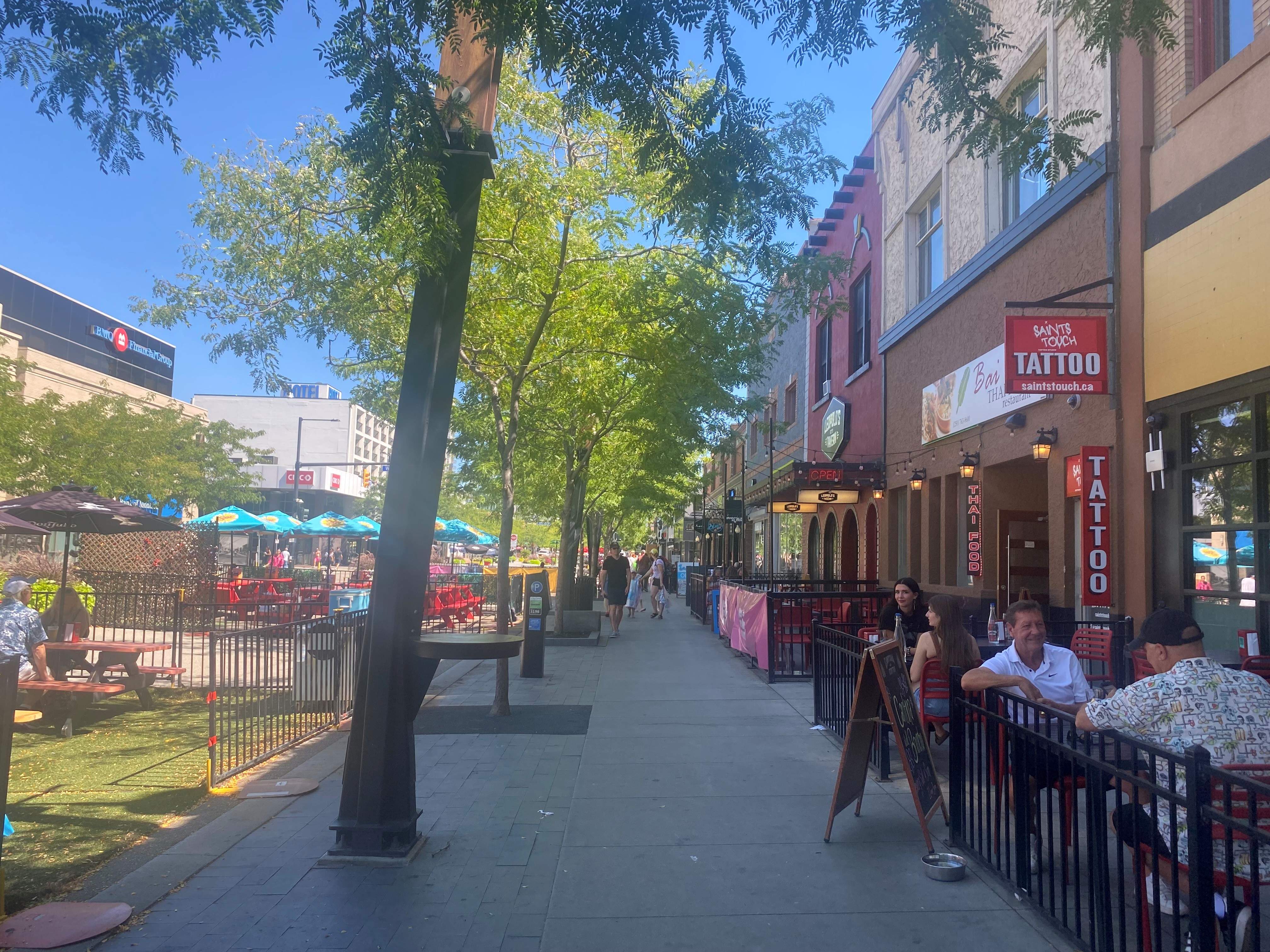
Mega-events generate immediate localized liquidity spikes through transient consumer aggregation, yet standard journalistic evaluations routinely misallocate credit by confusing short-term volume surges with structural economic expansion. When thousands of participants, organizers, and spectators converge on a regional municipality for structured athletic competitions, such as the provincial multi-sport games hosted in Kelowna, local commerce experiences a sharp vertical translation in demand. Deconstructing this phenomenon requires moving past anecdotal accounts of packed restaurant patios to examine the underlying financial mechanics, capital velocity multipliers, and capacity constraints that dictate net value creation.
The Velocity of Transient Capital
The foundational economic driver of any large-scale sporting gathering is the injection of external liquidity into a closed or semi-closed local market. Visitors arrive armed with discretionary capital accumulated elsewhere, converting external funds into local business revenue via accommodation, food service, and retail channels.
This transfer operates through a distinct expenditure funnel. Primary spending captures lodging and entry fees, which immediately anchors the baseline yield for hospitality providers. Secondary spending diffuses into the local service economy, predominantly hitting food and beverage establishments situated near competition nodes.
However, measuring the true efficacy of this capital inflow requires isolating gross revenue from net value retention. Local businesses frequently report record top-line days, but the operational cost function scales aggressively during high-density events. Extended operating hours, premium shift labor wages, and heightened inventory spoilage rates consume a substantial percentage of the gross margin expansion. Understanding the localized fiscal multiplier requires tracking how many times those transient dollars circulate within the municipal boundaries before leaking out via regional supply chain imports.
Capacity Constraints and Opportunity Costs
A critical analytical oversight in standard event reporting is the omission of displacement effects. When municipal accommodation capacity approaches saturation, market pricing responds via elastic upward pressure. While this benefits lodging operators, it introduces structural friction for non-event tourists and business travelers who choose to defer or cancel trips entirely.
This substitution dynamic creates a zero-sum baseline within specific sectors. If a hotel operates at maximum occupancy due to tournament participants and associated families, the net economic gain is not the total revenue collected, but rather the differential between event-driven revenue and baseline seasonal occupancy.
[External Capital Injection]
       │
       ▼
[Hospitality & Retail Surge] ──► Gross Top-Line Expansion
       │
       ├─► Positive Leakage: Local Supply Multipliers
       └─► Negative Leakage: Labor Premiums & Demand Displacement
Furthermore, urban infrastructure absorbs operational stress during these windows. Transportation bottlenecks, parking deficits, and public service allocation represent hidden municipal costs. When regional infrastructure operates at peak load, the marginal wear on public assets must be weighed against the tax revenue generated by transient sales taxes and municipal accommodation fees.
The Legacy Conversion Funnel
Organizers frequently point to long-term destination marketing value as the primary justification for hosting regional sports competitions. Converting a one-time visitor into a recurring annual tourist is a classic funnel problem characterized by severe drop-off rates.
The mechanics of this conversion rely entirely on experiential friction reduction during the initial visit. If a family navigating a multi-sport weekend encounters logistical friction, inadequate dining availability, or inflated pricing, the probability of future voluntary return drops near zero. Conversely, a frictionless environment acts as a low-cost customer acquisition channel for the regional tourism board.
To quantify this legacy return, analysts must track repeat booking indicators over a 24-to-36-month horizon following the event window. Without longitudinal tracking, the assertion of sustained tourism uplift remains an unsubstantiated hypothesis rather than a predictable economic outcome.
Strategic Allocation for Regional Enterprises
Business operators embedded within high-frequency event zones must shift their operational posture from passive beneficiaries to active yield managers. Reliance on organic foot traffic guarantees margin compression through operational inefficiency.
Forward-operating enterprises must implement dynamic capacity planning, optimizing staff-to-customer ratios during peak competition intervals while aggressively trimming overhead during lulls. Inventory management must adjust to the demographic profile of the specific consumer cohort, prioritizing high-turnover SKUs over specialized low-velocity items.
Deploy capital expenditure exclusively toward variable capacity expansions rather than fixed infrastructure upgrades that sit idle for the remainder of the annual calendar. Align staffing models with real-time schedule tracking from major venues to capture immediate post-competition surges without inflating fixed labor overhead.