Transiting the Suez Canal represents a masterclass in operational risk management and high-stakes capital allocation. When a vessel enters the maritime chokepoint connecting Port Said at the Mediterranean terminal to Port Tawfiq on the Red Sea, the shipowner is not merely paying for a shortcut. They are purchasing time, mitigating fuel volatility, and negotiating a tightly regulated administrative apparatus. The cost structure of this 193-kilometer transit involves a rigid calculus of vessel geometry, tonnage measurements, pilotage fees, and the opportunity cost of schedule disruption.
Understanding the true price of a Suez crossing requires stripping away the simplistic view that tolls are arbitrary fees levied by the Suez Canal Authority. Instead, tolls function as a dynamic pricing mechanism tied directly to the global freight market, cargo deadweight, and the cost alternatives of circumnavigating the African continent via the Cape of Good Hope.
The Structural Anatomy of Transit Costs
The financial architecture governing a Suez passage relies on the Suez Canal Net Tonnage system. This metric deviates significantly from standard gross tonnage or deadweight tonnage measurements. Port authorities calculate SCNT based on internal volumetric capacity, modified by specific coefficients that account for revenue-producing spaces.
Variable expenses aggregate into three primary tiers:
- Toll Tariffs: Direct charges levied by the SCA, calculated per SCNT unit. These rates fluctuate depending on vessel classification, such as container ships, bulk carriers, liquefied natural gas tankers, or crude oil carriers.
- Mandatory Ancillary Services: Compulsory fees for transit dues, mooring boat services, canal lights, and the absolute requirement of hosting government-appointed pilots on the navigation bridge.
- Operational Disruption Reserves: Expenses tied to transit scheduling delays, convoy wait times, and potential deviation penalties incurred if a vessel fails to maintain required speeds or operational parameters.
When container freight rates surge, the SCA frequently adjusts its tariff schedules upward, capturing a share of carrier windfalls. Conversely, during maritime downturns, discount structures emerge to incentivize traffic away from alternative routes. This elasticity proves that transit pricing operates as a function of market competition rather than a fixed municipal utility.
Operational Friction and Navigation Constraints
Physical dimensions dictate maritime access. The canal lacks locks, relying instead on sea level continuity, but it remains strictly bound by width, depth, and vertical clearance limits known colloquially as Suezmax parameters.
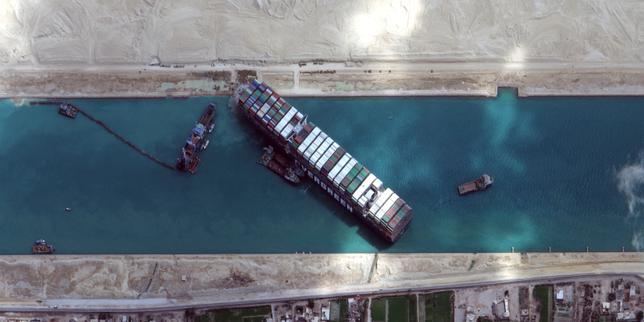
Vessels exceeding a draft of twenty meters or a beam breadth that stretches past standard clearances face severe operational bottlenecks. The Single-Lane Southern Section requires precise convoy management. Ships move in tightly controlled northbound and southbound chains. A single mechanical failure, engine room blackout, or steering casualty within a convoy immediately halts transit for all trailing vessels, generating cascading delays across global supply chains.
The human element compounds these technical constraints. Canal pilots board vessels to advise the master, yet ultimate legal liability for navigation remains with the captain. This dynamic introduces operational friction. Bridge resource management must seamlessly integrate external pilots who possess local bathymetric knowledge with the ship’s internal deck officers who understand the specific hydrodynamic behavior of that unique hull form.
Strategic Calculus of Alternative Routes
Shipowners continuously run optimization models comparing Suez tolls against the primary alternative: the Cape of Good Hope route around Africa. This decision framework is driven by a straightforward mathematical trade-off between canal toll expenditures and bunker fuel consumption combined with charter hire time costs.
The economic break-even point shifts according to three variables:
- Bunker Fuel Prices: Low marine gas oil or very low sulfur fuel oil prices reduce the relative penalty of longer steaming distances, favoring the Cape route.
- Time Sensitivity of Cargo: High-value manufactured goods and perishable items demand rapid transit, justifying premium Suez tolls to avoid inventory holding costs.
- Geopolitical Risk Premiums: Security threats in the Red Sea and Gulf of Aden force operators to re-evaluate the risk-adjusted cost of the canal against the predictable operational environment of southern oceanic transits, even when distance increases by thousands of nautical miles.
When tolls escalate past the threshold where extra fuel expenditure and vessel depreciation offset the time saved, diversion occurs en masse. This systemic reaction creates a self-regulating ceiling on how high toll authorities can push rates before demand destruction hits canal revenues.
Risk Mitigation and Fleet Deployment
Navigating the financial and operational realities of the Suez Canal demands sophisticated asset management. Fleet operators must optimize dry-dock schedules to ensure hull cleanliness, as marine biofouling increases hydrodynamic drag, reducing speed and burning excess fuel during the mandatory hours inside the canal channels. Furthermore, scheduling teams must factor in the exact timing of convoy windows to eliminate expensive idle days at anchorage in the Great Bitter Lake or Port Said outer ports.
Maritime stakeholders should implement dynamic routing software that ingests real-time toll updates, bunker spot prices, and convoy queue data to calculate real-time net present value for every voyage leg, ensuring capital is never wasted on suboptimal geographic paths.